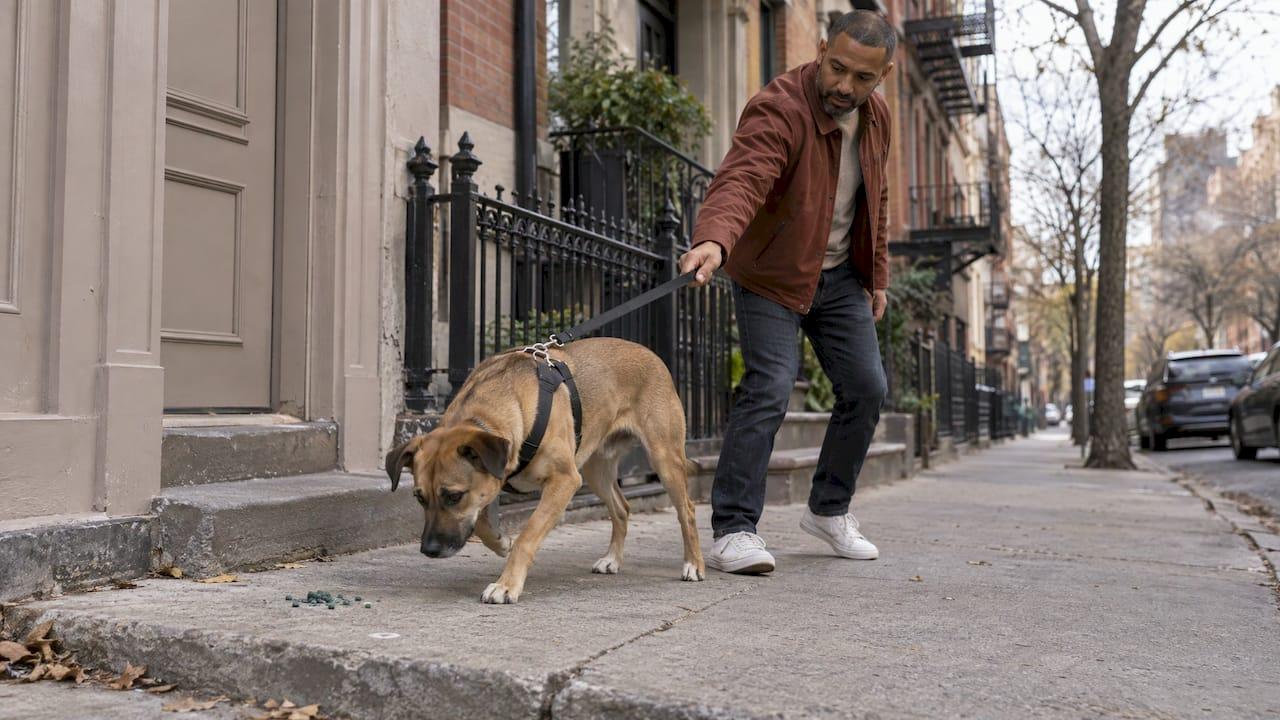
If your dog has eaten rat bait, or you think it might have, treat it as an emergency and act before any symptoms show. Call the ASPCA Animal Poison Control Center at (888) 426-4435, bring the packaging or a photo of it, and get your dog to a veterinarian. Many rat poisons cause no visible signs for days while the damage builds. At City Animal Veterinary Center in Brooklyn, our Urgent Care service exists for situations like this, and the sooner we know, the more options your dog has.
TL;DR
- Do not wait for symptoms. PetMD notes that signs often take 1 to 7 days to appear after a toxic dose.
- Keep the box, bag or receipt. The ASPCA says bait cannot be identified by how it looks, and the treatment depends on the active ingredient.
- Seizures, trouble breathing, collapse or bleeding mean the nearest veterinary hospital right away.
- On NYC streets, keep your dog on a short leash, watch the ground, and report exposed bait through 311.
Table of Contents
- First steps if your dog ate rat bait
- Why the type of poison changes everything
- Symptoms and timing
- How vets treat rat bait poisoning
- Rat poison on NYC streets, parks and buildings
- Lowering the risk on your daily walk
- What a visit looks like with an anxious dog
- Our approach
- When you are ready to book
- FAQ
- Sources
First steps if your dog ate rat bait
New York dog owners often find out in the worst way: a sidewalk pellet, a brick of bait in a park bed, a box in a basement. Here is the order that matters.
- Get your dog away from the bait. Do not let them eat more. Wear gloves if you pick anything up.
- Save the evidence. The ASPCA advises keeping the original packaging or receipt so the type of rodenticide can be identified. If the bait was on the street, photograph the spot and any labeling, and collect a sample in a sealed bag if you can do so safely.
- Call for guidance. The ASPCA Animal Poison Control Center is at (888) 426-4435. The Mayor's Alliance for NYC's Animals points owners to the same 24-hour line and says the pet should go to a veterinary hospital right away. Pet Poison Helpline, at 1-855-764-7661, is another option listed by PetMD.
- Go to a vet. The ASPCA's guidance is that if your dog shows seizures, trouble breathing, unresponsiveness, unconsciousness or bleeding, you go immediately to the nearest veterinary hospital with the packaging. If there are no signs or only mild ones, do not wait for things to worsen: contact a local vet, an emergency hospital or poison control for a risk assessment and a plan.
- Do not induce vomiting on your own. Let a veterinarian or poison control tell you whether it is appropriate for this poison and this dog. Some situations make it dangerous.
For a dog that is stable and has no severe signs, call us. Our urgent care team can talk you through what to bring and what happens next. If you are not sure how serious it is, our guide on urgent care versus an emergency vet shows the red flags that mean you skip straight to the emergency hospital.
Why the type of poison changes everything
The bait itself tells you nothing. The Merck Veterinary Manual warns that products should not be identified by color, shape or size alone, because baits look alike across brands and ingredients. A green block can be one poison in one box and a different one in another.
The common active ingredients, as described by the ASPCA:
| Active ingredient | What it does to a dog | Notes |
|---|---|---|
| Anticoagulants | Stops blood from clotting; death can follow within 3 to 5 days of ingestion if untreated | Has an antidote, vitamin K1 |
| Bromethalin | Causes brain swelling: weakness, tremors, seizures | No antidote |
| Cholecalciferol (vitamin D3) | Highly concentrated; damages the kidneys and calcifies soft tissue | No antidote |
| Zinc phosphide | Vomiting, then loss of coordination, tremors, seizures | Treated supportively |
| Corn gluten | Usually only stomach upset, unless a large amount causes dehydration or blockage | Lowest risk |
Because identification is so important, a clear photo of the label or the receipt can save hours. Veterinary toxicologist Dominic Tauer, writing in the Merck manual, stresses that accurate product identification is critical because the rodenticide landscape keeps changing. He also notes that when the ingredient is unknown, veterinarians often treat with a combined approach that covers several possibilities.
Symptoms and timing
The cruel part of rodenticides is the delay. A dog can look fine on the walk home and be in trouble days later. According to the Merck Veterinary Manual's pet-owner section:
- Anticoagulants are the most frequent cause of rodenticide poisoning in pets. The effect is bleeding, which may be internal and unseen at first.
- Bromethalin can cause death about 10 hours after a severe ingestion, or a delayed syndrome over one to four days with vomiting, depression, tremors and reluctance to stand.
- Cholecalciferol signs develop within 18 to 36 hours: depression, excessive thirst and urination, vomiting blood, and progressive kidney damage.
PetMD adds that symptoms commonly show up one to seven days after a toxic dose, with zinc and aluminum phosphides the exception, since those act faster. It also notes that bait dyes (red, green, blue, pink, tan) may color your dog's stool, and that any foreign material in stool is a reason to call a vet.
General signs to treat as urgent: lethargy, pale gums, bruising, nosebleeds, bloody vomit or stool, drinking and urinating far more than usual, tremors, stumbling, seizures and labored breathing. Vomiting alone has many causes, and our guide to when dog vomiting needs a vet can help you sort it out, but if rat bait is a possibility, vomiting is never a wait-and-see sign.
How vets treat rat bait poisoning
Treatment follows the poison, and timing matters. PetMD's veterinary review describes the main approaches:
- Anticoagulants: at least four weeks of oral vitamin K1. If bleeding signs are present, hospitalization with IV fluids, plasma or blood transfusions and supportive care.
- Cholecalciferol and bromethalin: no antidote exists, so care centers on hospitalization, IV fluids and aggressive decontamination, plus treatment to lower calcium or to control brain swelling.
- Phosphides: antacids to reduce phosphine gas, liver protectants and anti-seizure medication.
The Merck manual adds that for severe anticoagulant bleeding, vitamin K1 may continue for two to four weeks alongside transfusions.
What this means for you: the earlier your dog is seen after eating bait, the more a vet can do to keep the poison from being absorbed, and the better the outlook tends to be for the types that have no antidote. Bloodwork and imaging help us see what is going on inside. Our practice lists an in-house laboratory and diagnostic imaging among its services, so testing can be part of the visit.
Rat poison on NYC streets, parks and buildings
It is not your imagination that this is a city problem. Reports of dogs sickened by bait on sidewalks and in parks have made local news repeatedly, and officials have warned residents about poison sold by street vendors. Your dog meets bait in three places.
Public property. NYC's Integrated Pest Management Toolkit says bait used in public areas, commercial settings and multiple-unit buildings should be applied by professionals. Loose pellets belong deep in burrows, bait blocks must be secured inside anchored, tamper-resistant stations away from children and pets, and loose bait must never be placed where pets can reach it. Bait lying open on a sidewalk or in a planter bed is therefore not how it is supposed to be done.
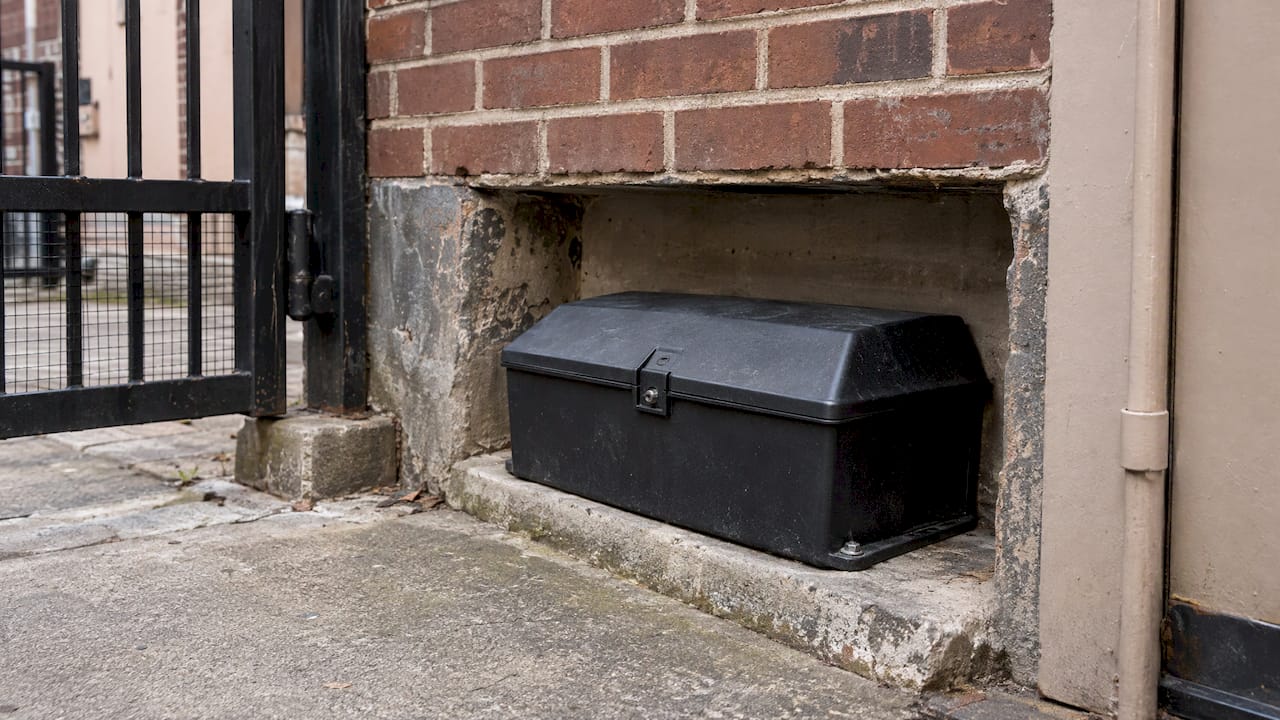
Your building. NYC Health states that property owners are legally required to keep properties rat-free, and that owners of commercial and multi-unit properties must hire a pest management professional. Tenants can report an unaddressed rat problem online or through 311, and the Health Department then sends inspectors. Ask your super where bait stations are placed on your block and in your lobby, basement and courtyard.
Home products. The EPA's rodent control safety review requires consumer rat poisons to be sold with bait stations that securely contain the bait, and loose bait is no longer permitted in consumer products. Still, the Merck manual cautions that stations labeled pet resistant are tested only against two hours near normal pet feeding stations, and dogs can still break through them. A station is a barrier, not a guarantee, so keep it where your dog cannot get at it.
How to report exposed bait
If you see bait out in the open, call or use NYC311 and choose the Rat or Mouse Complaint category. Note the exact address or cross street and send a photo. Do it after you have moved your dog away, not before.
Lowering the risk on your daily walk
No routine removes all risk in a dense city, but these habits cut it down.
- Keep the leash short near building edges, tree pits, loading docks, alleys and park borders, where rats are most active and bait stations tend to be.
- Teach a solid "leave it." A reliable cue is worth more than any gadget. If your dog tends to scavenge, our behavior team can help you build it with low-stress, reward-based training.
- Avoid trash piles. Rats follow food. Cutting off what draws them reduces how much bait gets placed nearby. Keeping bins clean and sealed, for instance with pest control around trash bins, makes a building less attractive to rodents in the first place.
- Tell your super, doorman or landlord that you have a dog so any bait in common areas is in locked, tamper-resistant stations.
- Never buy rat poison from street vendors. Unlabeled products give you no way to learn the active ingredient if your dog gets into them.
- Watch out for secondary poisoning. A dog that eats a poisoned rat can also be affected. Cities are aware of this: the 2024 city pesticide report notes that since 2017 NYC has used dry ice or gas canisters near parks, building exteriors and school properties because that method carries no risk of secondary poisoning.
What a visit looks like with an anxious dog
A poisoning scare is frightening for you, and a dog that feels unwell is often scared too. We are Fear Free certified, and our approach is built to keep stress down during visits, which matters when a dog needs to be handled, examined and possibly sampled. If your dog is stable and cannot easily travel, ask about our home visit service for follow-up care once the immediate danger has been assessed. Anything with seizures, collapse or bleeding goes to the hospital first.
Our approach
We want owners to know one thing before anything else: call early. When a dog may have eaten rat bait, the hours before symptoms appear are the most valuable ones, and they are the ones owners are most tempted to spend waiting.
Our team practices Fear Free care, so even in a stressful moment your dog is handled calmly, and so are you. We offer urgent care, diagnostic imaging and an in-house laboratory, and we combine conventional medicine with supportive therapies such as pain management and acupuncture when a pet is recovering.
Bring the packaging, or a photo of it. It is the single most useful thing you can hand us.
CAVC
When you are ready to book
If your dog has been exposed, or you want a calm visit to talk through prevention, our Urgent Care service is the place to start, and our wellness exams give you a baseline for your dog's health. We are in Brooklyn and also see pets at home through our home visit service.
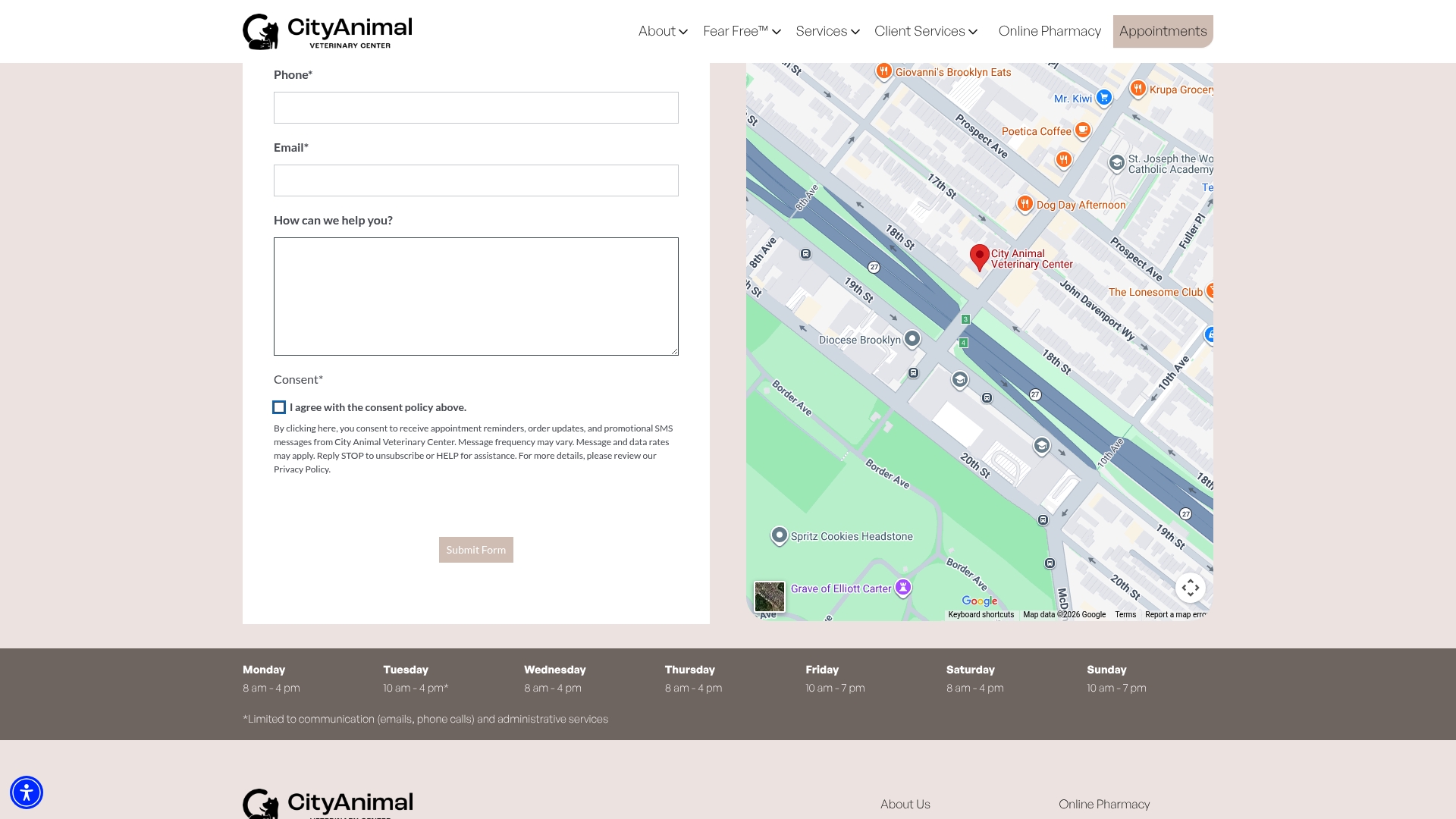
Call City Animal Veterinary Center through our site and tell us what your dog ate, when, and how much, and we will tell you what to do next.
FAQ
How long after eating rat poison will my dog show symptoms?
It depends on the poison. PetMD reports that signs often take 1 to 7 days after a toxic dose, while cholecalciferol signs generally appear within 18 to 36 hours according to the Merck manual. A dog that seems fine can still be in danger, so call a vet or poison control right away.
Can I identify the poison by the color of the bait?
No. Baits look similar across brands and ingredients, and dyes in them do not tell you the active ingredient. Keep the packaging or receipt, or photograph the label, and give it to the vet or poison control.
Is there an antidote for rat poison?
For anticoagulant rodenticides, yes: vitamin K1, given for at least four weeks. Bromethalin and cholecalciferol have no antidote, so treatment is decontamination, hospitalization and supportive care. That is why getting help quickly matters.
Who do I call about bait I find on a NYC sidewalk or in a park?
Report it to NYC311 under the Rat or Mouse Complaint category, with the address and a photo. Keep your dog well away from it while you do.
Sources
- Rodenticide and Your Pet: What You Need to Know, ASPCA
- My Pet Ate Something! When Should I Seek Help?, ASPCA
- Pet Poisoning, Mayor's Alliance for NYC's Animals
- Rat Poisoning in Dogs, PetMD
- Rodenticide Poisoning, Merck Veterinary Manual (special pet topics)
- Overview of Rodenticide Poisoning in Animals, Merck Veterinary Manual
- Integrated Pest Management Toolkit, NYC Health
- Rats: Information for Tenants and Property Owners, NYC Health
- Rodent Control Pesticide Safety Review, US EPA
- Report Problems, NYC311
- Pesticide Use by New York City, 2024 report
- Pest control around trash bins