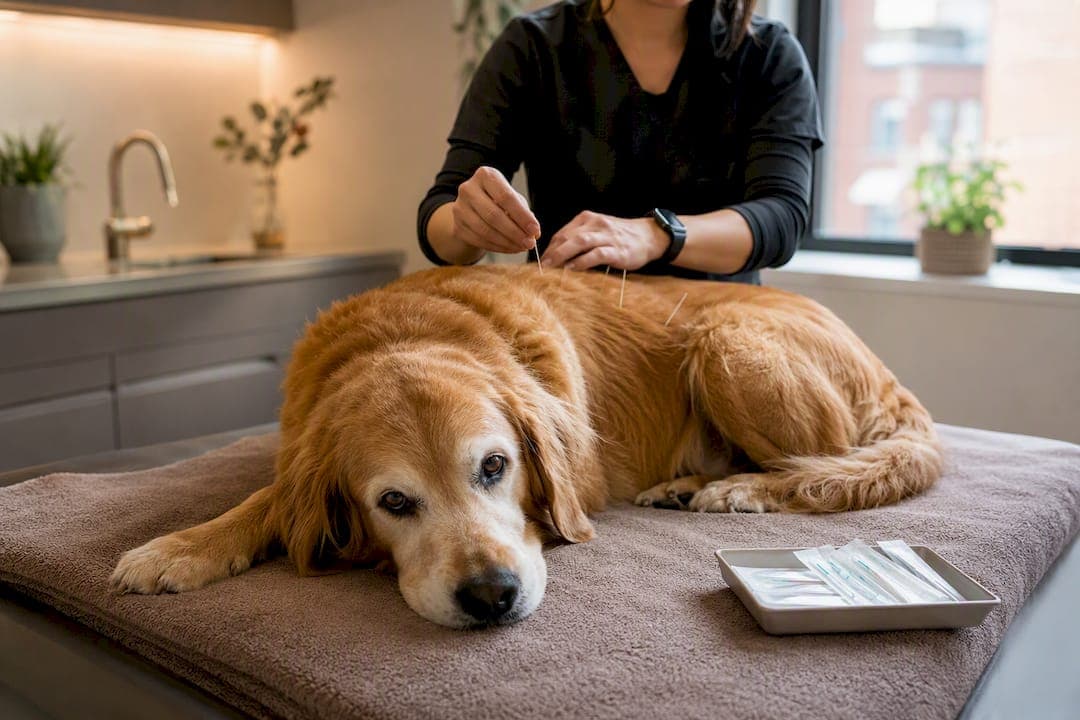
Prices for dog acupuncture vary because clinics factor in practitioner training, session type, your dog's condition, and how many visits a treatment plan requires. There is no universal rate. The smartest first move is asking a veterinary acupuncturist for a written, itemized treatment plan and a recommended course of sessions before you commit to anything. Since most chronic conditions call for a series of visits rather than a single appointment, that plan is what actually lets you budget.
TL;DR:
- Most clinics recommend a series of six to eight acupuncture sessions for effective treatment of chronic pain or osteoarthritis in dogs, with ongoing maintenance visits often necessary.
- Prices vary mainly based on practitioner credentials, session complexity, and handling needs, not just location, making written, itemized estimates essential for accurate budgeting.
- Expect initial costs to be higher due to comprehensive exams and full treatment plans, with follow-up sessions generally less expensive if other adjunct therapies are added.
- Veterinary acupuncture is usually safe when performed by qualified professionals, but it requires integration with diagnostics and regular vet oversight for best results.
- Insurance coverage is inconsistent, so owners should confirm reimbursement policies and request documentation to support claims before starting treatment.
Table of Contents
- What Veterinary Acupuncture Actually Treats
- What Determines Your Session Price
- How Many Sessions Should You Actually Plan For
- Insurance and Payment Options Worth Asking About
- Choosing a Qualified Practitioner Without Overpaying for the Wrong Fit
- Is It Safe, and How Does It Fit With Regular Vet Care
- The Fear Free Approach to Acupuncture Access
- Getting an Itemized Plan From City Animal Veterinary Center
- Sources
- FAQ
What Veterinary Acupuncture Actually Treats
Veterinary acupuncture is a complementary therapy, typically performed by a veterinarian or someone working under direct veterinary oversight. It is not a stand-alone cure and it does not replace diagnostics. Think of it as one tool in a larger treatment plan, usually brought in alongside X-rays, blood work, or physical rehab rather than of them.
Clinics most often recommend it for:
- Osteoarthritis and other chronic joint pain
- General chronic pain management in older dogs
- Post-surgical rehabilitation, especially after orthopedic procedures
- Select neurologic conditions, including some cases of disc disease
PetMD notes that these four categories account for most of the clinical use cases vets report. If your dog's issue falls outside these categories, ask directly whether acupuncture has a track record there or whether it is mostly untested for that specific problem.
What Determines Your Session Price

The single biggest driver of price variation is not the clinic's zip code. It's the combination of who is holding the needles, what kind of session your dog needs, and how much handling is involved. According to cost data compiled by Vety, practitioner credentials, treatment complexity, location, and patient handling needs are the four factors that explain most of the spread you will see between quotes.
Here is what to look at when you compare two clinic estimates side by side:
- Credentials: A DVM with formal IVAS or AAVA certification typically charges differently than a technician working under general supervision.
- Visit type: Initial consultations run longer than follow-ups because they include a full history review and exam, not just needle placement.
- Treatment complexity: Electro-acupuncture, full-body protocols, and sessions that add adjunct modalities (heat, laser, massage) cost more to deliver than a focused, single-area treatment.
- Setting: A home visit carries different logistics and overhead than an in-clinic appointment, and that shows up in the quote.
- Patient handling: A large, anxious, or reactive dog may need extra staff time or a slower, more careful approach, which affects how a clinic prices the visit.
- Packages: Many practices offer a discount when you book a full series up front instead of paying per session.
Pro Tip: Ask every clinic the same question. What's included in the initial visit fee versus the follow-up fee? Clinics structure this differently, and comparing "session price" without knowing what's bundled into it is like comparing apples to a box of apples.
How Many Sessions Should You Actually Plan For
Acupuncture rarely works as a one-and-done fix, especially for chronic pain. WSU's veterinary hospital points to an initial series of six to eight sessions as common guidance for assessing whether a dog is responding. Here's roughly what that course looks like in practice:
- First visit: Full exam, history review, and needle placement, plus baseline measurements your vet will track over time.
- Sessions two through six or eight: Shorter visits focused on needle placement, monitoring your dog's comfort, and sometimes adding heat or low-level laser therapy.
- Progress check: Around the midpoint or end of the initial series, your vet reassesses mobility, pain signs, or other markers to decide whether to continue.
- Maintenance phase: If your dog responds well, many owners shift to monthly or biweekly upkeep visits instead of the tighter initial schedule.
That maintenance phase matters for budgeting because it's an ongoing line item, not a one-time expense. Ask your vet up front whether your dog's condition typically needs long-term maintenance or whether the initial series is likely to be enough.
Insurance and Payment Options Worth Asking About
Coverage for acupuncture is inconsistent across insurers, which makes it worth confirming before you start rather than after. MetLife Pet Insurance notes that some plans reimburse acupuncture under standard coverage while others only include it through a wellness add-on, so the fine print on your specific policy matters more than general assumptions about what pet insurance covers.
Before your first visit, it helps to:
- Request an itemized invoice or receipt for every session, since insurers typically need this for reimbursement claims
- Ask your clinic if pre-authorization or a treatment plan letter is available to support a claim
- Compare the math on a session package versus paying per visit, since packages sometimes lower the per-session rate
- Ask whether financing options like CareCredit are accepted for larger treatment plans
- Confirm whether diagnostics (X-rays, blood work) are billed separately from the acupuncture sessions themselves
Getting these answers in writing before treatment starts avoids the surprise of a denied claim weeks later.
Choosing a Qualified Practitioner Without Overpaying for the Wrong Fit
Credentials matter more here than in almost any other area of veterinary care, because "acupuncturist" is not a protected title on its own. The AVMA recommends that acupuncture be performed by, or closely coordinated with, a licensed veterinarian, and organizations like IVAS maintain training standards and directories for certified practitioners.
Use this short process when vetting a provider:
- Confirm the credential: Look for a DVM with postgraduate training through IVAS or AAVA, not just a general interest in the technique.
- Ask about the plan: A qualified acupuncturist should be able to tell you roughly how many sessions they recommend and why, based on your dog's specific diagnosis.
- Ask how they measure results: Good practitioners track mobility, pain scores, or other concrete markers, not just "how they seem."
- Watch for red flags: Be cautious of anyone who skips a physical exam, promises guaranteed cures, or seems reluctant to coordinate with your primary vet.
Pro Tip: A practitioner who wants to see your dog's recent X-rays or blood work before starting is usually a good sign, not a delay tactic. It means they're integrating acupuncture into your dog's actual medical picture instead of treating it in isolation.
Is It Safe, and How Does It Fit With Regular Vet Care
Acupuncture has a generally low risk profile in trained hands, but "low risk" is not the same as "no risk," and it is not a substitute for diagnostics when something more serious is going on. That's part of why the WSU veterinary team frames it as most effective when integrated into a broader plan rather than used alone.
A responsible provider will typically:
- Request or review recent bloodwork and imaging before starting, especially for older dogs or complex cases
- Flag conditions, like acute injuries or suspected tumors, that need immediate conventional treatment first
- Monitor your dog session to session and adjust or pause the plan if there's no measurable improvement after the initial series
- Communicate with your regular vet so acupuncture stays coordinated with, not separate from, your dog's overall care
If a provider treats acupuncture as a replacement for a proper workup rather than a complement to one, that's worth questioning directly.
The Fear Free Approach to Acupuncture Access
City Animal Veterinary Center approaches acupuncture the same way it approaches every visit: through a Fear Free lens that reduces stress for dogs who find clinical settings overwhelming. For arthritic or anxious dogs, a home visit often means calmer handling and less need for extra restraint or sedation, which changes the whole experience for the dog and the owner.
Every plan generally starts with an itemized treatment recommendation built around a dog's actual diagnostics, not a generic package. Owners consistently ask about scheduling flexibility, and package options are part of that conversation from the first visit.
— CAVC
Getting an Itemized Plan From City Animal Veterinary Center
If you're trying to figure out whether acupuncture makes sense for your dog, the most useful first step isn't researching price ranges online. It's getting a specific, written recommendation for your dog's actual condition. Some veterinary centers build itemized treatment plans that combine relevant diagnostics with acupuncture, so you know what's being recommended and why before you agree to anything.
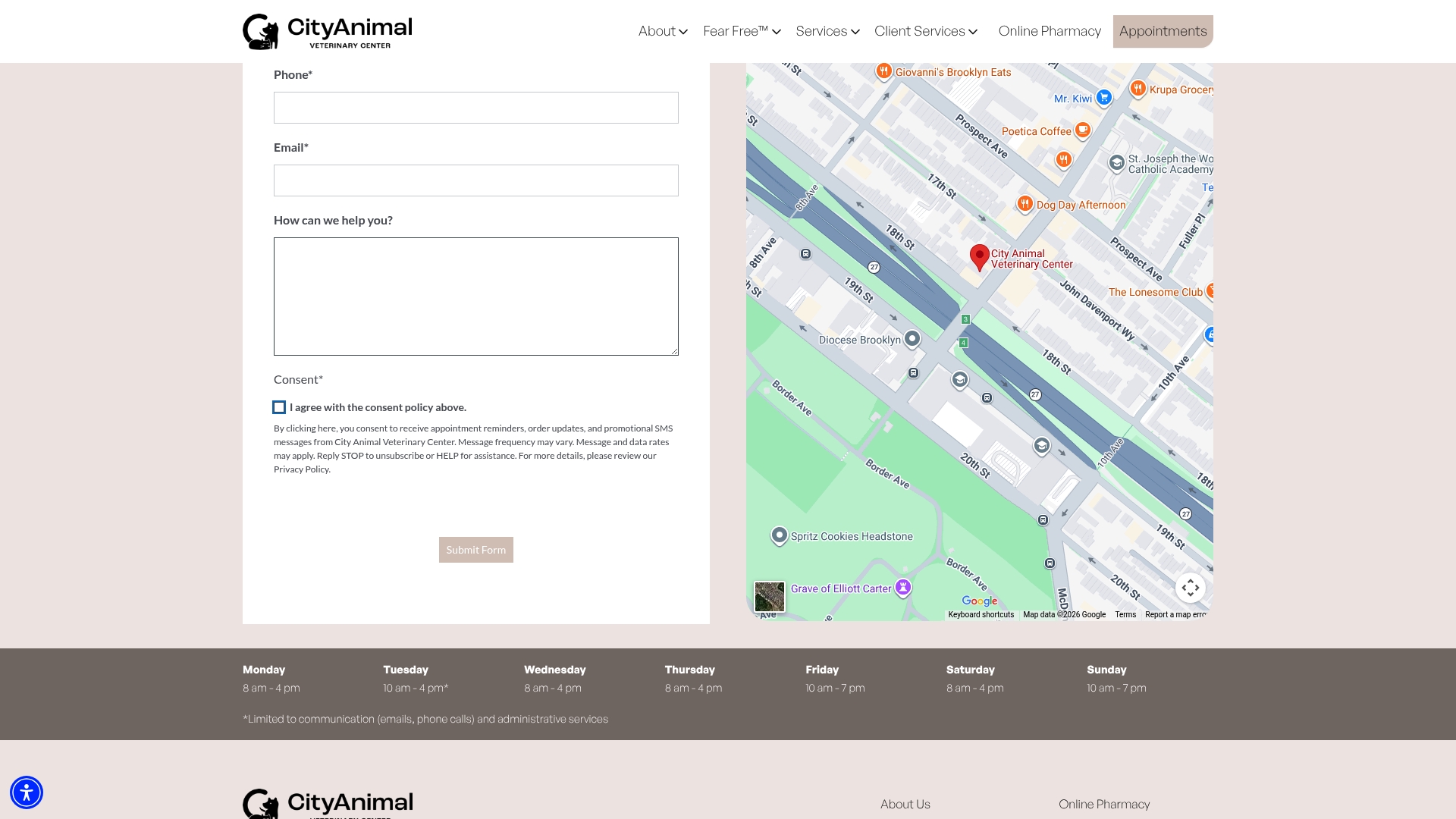
Booking usually starts with a conversation about your dog's history, current mobility or pain concerns, and any prior imaging or bloodwork you already have. You can then ask about scheduling a home visit if travel or clinic environments are stressful for your dog, and ask what documentation a practice provides for insurance claims so you're not scrambling for paperwork later. For owners managing an anxious dog through the process, pairing acupuncture visits with cooperative care techniques can also reduce how much restraint or handling a session requires.
To get started, book an appointment with City Animal Veterinary Center and ask for an itemized plan at your dog's initial consultation.
Sources
- Acupuncture for chronic pain in dogs | WSU Veterinary Hospital
- Acupuncture for Dogs | PetMD
- How Much Does Dog Acupuncture Cost? (Vety)
- AVMA guidance on acupuncture
FAQ
Is Dog Acupuncture Worth It?
For chronic pain, osteoarthritis, and post-surgical rehab, many dogs show measurable improvement after a full initial series, which is why vets frame it as a genuine complement to conventional treatment rather than a gimmick.
What Is the Success Rate of Acupuncture for Dogs?
There's no single agreed-upon success rate, since outcomes depend heavily on the condition being treated and how consistently the full recommended series is completed. Vets typically judge success by tracking specific mobility or pain markers across the initial six to eight sessions rather than relying on a general statistic.
How Much Do Vets Charge for Acupuncture?
Charges vary by practitioner credentials, session type, location, and your dog's handling needs, which is why an itemized treatment plan from your own vet is more useful than any general price estimate.
What Do Vets Do if You Can't Pay?
Many practices can walk through session packages, payment plans, or financing options like CareCredit, so it's worth asking directly rather than assuming there's no flexibility.