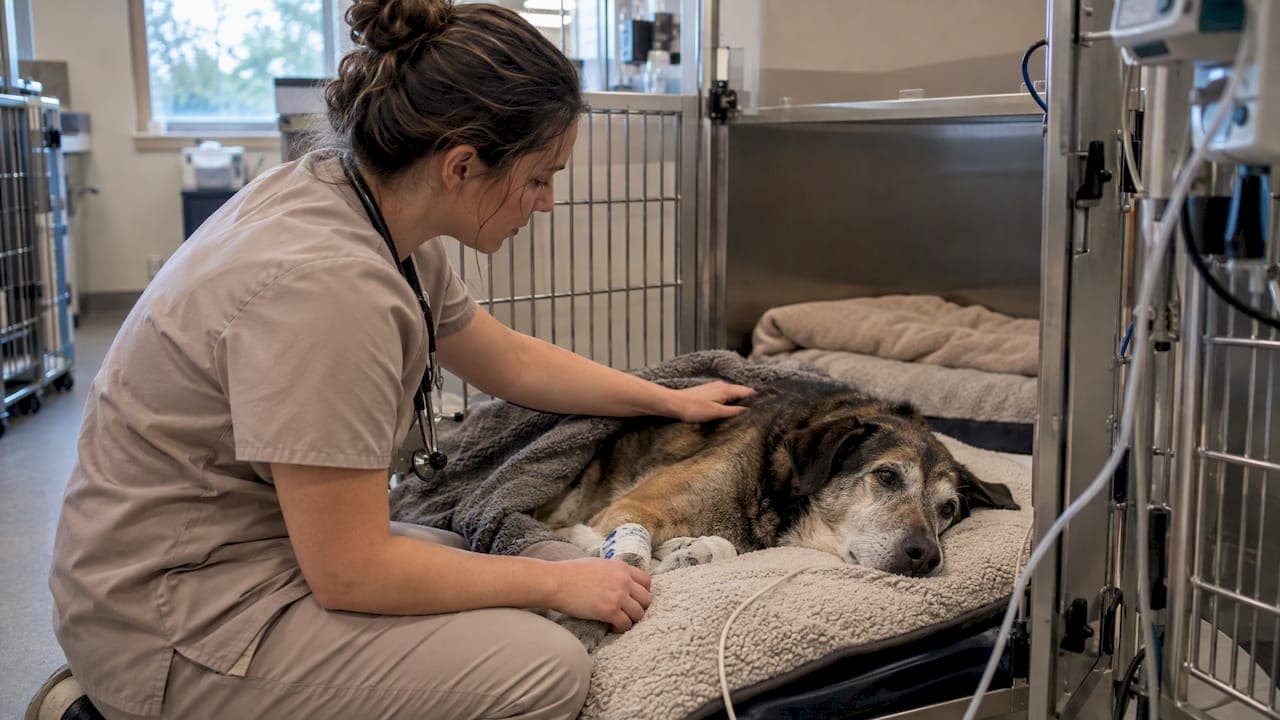
Most senior pets can safely undergo anesthesia when their veterinary team evaluates their individual health status and monitors them closely throughout the procedure. A large prospective study found an overall anesthesia-related mortality rate of 0.69% in dogs, and age alone wasn't the deciding factor in that risk. Before any procedure, ask about pre-anesthetic testing, who monitors your pet during surgery, and what the recovery plan looks like, since recovery is when most anesthesia-related deaths actually occur.
TL;DR:
- Pre-anesthetic testing, including bloodwork and cardiac evaluation, is essential to identify hidden conditions that could complicate anesthesia in senior pets.
- Monitoring staff with dedicated personnel and multiple parameters such as blood pressure and temperature support significantly minimize risks during the procedure.
- Recovery poses the highest risk for complications, making active warming, close observation, and proactive management of nausea critical post-operation.
- Age alone is not a contraindication; overall health, frailty assessment, and specific organ conditions drive the safe anesthetic plan.
- Thorough preoperative discussions about risks, recovery plans, and potential alternatives are vital for informed decision-making.
Table of Contents
- Why Age Alone Isn't the Main Risk Factor
- Pre-Anesthetic Screening: Tests, Timing, and What to Ask For
- Monitoring and Anesthesia Techniques During the Procedure
- Post-Anesthetic Recovery: The Riskiest Window
- Talking Through the Risks With Your Veterinarian
- Fear Free Practices and What a Safety-Minded Clinic Looks Like
- Balancing Risk and Quality of Life
- Schedule a Pre-Anesthetic Consult With Our Team
- FAQ
- Sources
Why Age Alone Isn't the Main Risk Factor
Veterinarians don't turn away an older dog or cat just because of a birthday. What matters more is physiologic reserve: how well the heart, kidneys, liver, and lungs can handle the stress of anesthesia and surgery. This is where the ASA physical status classification comes in, a scale veterinarians use to rank patients from healthy (ASA I) to critically ill (ASA V) based on overall condition, not age.
Frailty assessment works alongside this classification. Two 12-year-old dogs can have very different anesthetic risk profiles: one might be a healthy ASA I patient with no concerning findings, while the other, with early kidney disease and a heart murmur, lands in ASA III or higher.
Certain conditions change the calculation substantially; for instance, veterinarians often consult small animal endoscopy tips for veterinary professionals when assessing respiratory conditions like collapsing trachea or brachycephalic airway issues.
- Heart disease, including murmurs or diagnosed cardiomyopathy, affects drug choice and fluid rates.
- Kidney disease reduces the body's ability to clear anesthetic drugs, requiring dose adjustments.
- Endocrine disorders like diabetes or Cushing's disease complicate blood sugar and blood pressure management.
- Respiratory conditions, including collapsing trachea in small breeds or brachycephalic airway issues, raise the risk of complications during induction and recovery.
The same study noted that increasing age does raise risk incrementally, but geriatric status alone is not an absolute contraindication to anesthesia. Comorbidities and overall frailty drive the outcome far more than the number on the birth certificate.
Pre-Anesthetic Screening: Tests, Timing, and What to Ask For
A thorough pre-anesthetic workup is the single best tool for catching problems before they become emergencies. For senior pets, this typically goes beyond a basic exam.
- Physical exam within 12 to 24 hours of the procedure, checking heart sounds, lung function, and hydration status.
- Complete blood count, chemistry panel, and urinalysis to screen for anemia, organ dysfunction, and subclinical disease.
- NT-proBNP testing or an ECG when a heart murmur or arrhythmia is detected, since cardiac disease often hides without obvious symptoms.
- Chest X-rays or an abdominal ultrasound if the physical exam or bloodwork raises concerns about hidden masses or organ changes.
For a healthy senior pet, labs completed within the prior three to six months are usually acceptable. If anything looks abnormal, or your pet's condition has changed recently, the labs should be repeated immediately before the procedure.
Tell your veterinarian about every medication and supplement your pet takes, including over-the-counter pain relievers, CBD products, or herbal remedies, since these can interact with anesthetic drugs. Fasting guidance also deserves attention: a study on preanesthetic feeding found that a light meal three hours before anesthesia was linked to increased gastroesophageal reflux compared with overnight fasting in that group, so confirm your clinic's specific fasting plan rather than assuming the usual rule applies to your pet. Our senior dog wellness exam guide covers what this visit typically includes.
Pro Tip: Bring a written list of every medication, supplement, and recent symptom change to the pre-op consult so nothing gets missed in conversation.

Monitoring and Anesthesia Techniques During the Procedure
Quality monitoring during anesthesia is what separates a routine procedure from a risky one. For senior pets, the standard of care includes several simultaneous checks:
- Pulse oximetry to track oxygen saturation in the blood.
- Blood pressure monitoring, since hypotension is common under anesthesia and harder for aging kidneys to tolerate.
- Capnography and end-tidal CO2 to confirm adequate ventilation.
- Continuous ECG to catch arrhythmias early.
- Temperature monitoring, since older pets lose body heat faster and recover more slowly once hypothermic.
A dedicated staff member assigned solely to watching these parameters, rather than someone splitting attention between monitoring and assisting the procedure, makes a measurable difference. AAHA's anesthesia and monitoring guidelines describe this staffing choice as a critical safety factor across the continuum of anesthetic care.
Having a dedicated monitoring technician assigned to your pet, rather than shared staff coverage, is one of the clearest markers of a safety-focused anesthesia protocol.

Drug selection also shifts for seniors: veterinarians typically titrate doses more conservatively, choose agents that are easier to reverse, and adjust based on organ function rather than using a standard weight-based formula alone.
Post-Anesthetic Recovery: The Riskiest Window
Recovery, not the procedure itself, is where most problems occur. The same large prospective study found that 81% of anesthesia-related deaths happened after the procedure ended, not during it. Several physiological factors explain why: older pets regulate temperature less efficiently, have less metabolic reserve to buffer stress, and face a higher risk of aspiration if nausea or regurgitation occurs while they're still sedated.
A well-run recovery period typically includes:
- Active warming with heated blankets or warmed IV fluids, since hypothermia prolongs recovery and worsens outcomes.
- Continuous monitoring of breathing rate, heart rate, and consciousness level until the pet is stable and alert.
- Antiemetic and pain protocols started before recovery begins. A geriatric-focused study using maropitant, famotidine, and fentanyl found postoperative regurgitation in only 1.9% of dogs and aspiration pneumonia in just 1.0%, suggesting proactive protocols meaningfully reduce complications.
At home, call your clinic right away if you notice labored breathing, repeated vomiting or regurgitation, collapse, or pain that doesn't respond to prescribed medication. Most pets are cleared to go home once they're walking steadily, eating a small amount, and maintaining a normal temperature, usually within several hours of waking up.
Talking Through the Risks With Your Veterinarian
A good consent conversation covers more than "is this safe." Ask these questions before agreeing to any procedure:
- What does my pet's ASA classification or frailty assessment tell us about their individual risk?
- What are the alternatives if we delay or decline the procedure?
- Will a dedicated staff member monitor my pet throughout, separate from whoever is performing the procedure?
- What does the recovery plan look like, and what should I watch for at home?
- Does it make sense to stabilize any underlying condition first, or split a longer procedure like extensive dental work into two shorter sessions?
Get the plan in writing, including who to call with questions during recovery. This clarity helps you and your veterinary team stay aligned if anything changes mid-procedure.
Fear Free Practices and What a Safety-Minded Clinic Looks Like
We use a Fear Free approach that includes pre-visit calming medication, gentler restraint techniques, and offer a home visit option for pets who find clinic trips stressful. These methods reduce the anxiety that can complicate pre-anesthetic exams and bloodwork.
When evaluating any clinic for a senior pet's anesthesia, we'd suggest asking about:
- A dedicated monitoring technician assigned during the procedure.
- Warmed recovery spaces and active temperature support.
- IV catheter placement and fluid support throughout.
- Written discharge instructions with clear warning signs.
Our dental anesthesia guide and pre-visit sedation resource for cats walk through these practices in more detail.
Balancing Risk and Quality of Life
An individualized anesthetic plan often opens the door to procedures that genuinely improve a senior pet's comfort, whether that's a painful tooth extraction or a mass removal. Risk and benefit deserve equal weight in that conversation with your veterinary team. Partner closely with them, plan for recovery before the day arrives, and know that for some pets, hospice or comfort-focused care becomes the more compassionate path.
— CAVC
Schedule a Pre-Anesthetic Consult With Our Team
A thorough pre-anesthetic workup starts with a conversation, not a procedure date. We offer wellness exams built around senior-pet screening, along with dental care and surgery services that follow individualized, Fear Free protocols from start to recovery.

Bring to your visit:
- Current medications and supplements, including anything over the counter.
- Prior bloodwork or imaging records from other clinics.
- A written list of concerns or recent behavior changes.
Reach out to schedule a consult and get a plan tailored to your pet's own health picture.
FAQ
Is it safe for senior dogs to go under anesthesia?
Most senior dogs can safely undergo anesthesia when a veterinarian evaluates their individual health status first. A large prospective study found an overall anesthesia-related mortality rate of 0.69% in dogs, with age raising risk incrementally rather than ruling anesthesia out entirely.
Is it safe for senior cats to go under anesthesia?
Senior cats face similar considerations to senior dogs: reduced organ reserve and a higher chance of subclinical disease that pre-anesthetic screening can catch. Geriatric-specific guidance notes that older cats have altered drug handling and increased hypothermia risk, which makes individualized dosing and warming support during recovery especially important.
Is it safe to put a 13-year-old dog under anesthesia for teeth cleaning?
Age alone doesn't rule out a dental cleaning for an older dog. What matters is the pre-anesthetic workup results, including bloodwork and a cardiac evaluation if a murmur is present, along with the clinic's monitoring and recovery protocols during the procedure.
Should I put my 13-year-old dog through surgery?
That decision depends on your dog's individual ASA classification, frailty level, and the benefit the surgery offers weighed against the risk of waiting or skipping it. A thorough pre-anesthetic workup and a direct conversation with your veterinarian about alternatives, staging options, and recovery plans will give you the clearest answer for your own dog.
What's the biggest risk period during anesthesia for senior pets?
Recovery is the highest-risk window, not the procedure itself. The same prospective study found that 81% of anesthesia-related deaths occurred after the procedure ended, largely due to thermoregulation difficulties and reduced metabolic reserve in older pets.
Sources
- Prospective study of anesthesia-associated mortality in dogs (2024)
- 2020 AAHA Anesthesia and Monitoring Guidelines for Dogs and Cats
- Anesthesia in senior cats and dogs | Royal Canin Academy