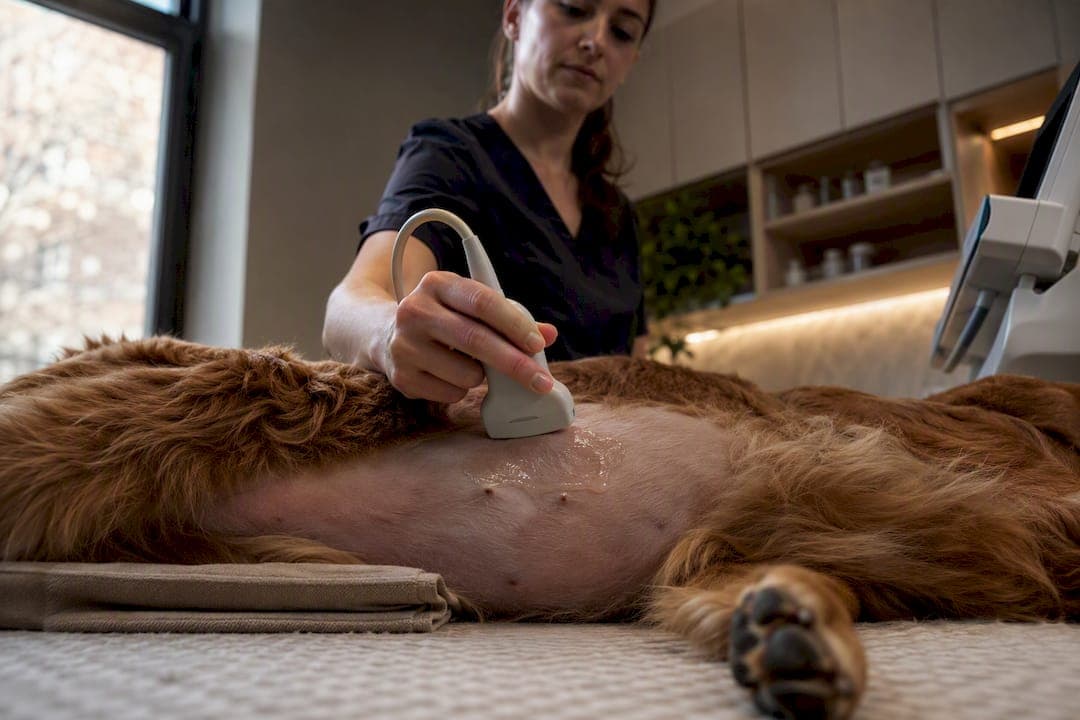
Before an abdominal ultrasound, fast your dog or cat for a recommended period before the ultrasound, keep water available unless your vet says otherwise, and expect a small shaved patch on the belly. Bladder-focused scans need a full bladder, so timing matters more than fasting. Always confirm current medications and sedation needs with your clinic before the appointment.
TL;DR:
- Fasting the pet for at least 8 hours improves the quality of abdominal ultrasound images, but it does not guarantee perfect results, especially in dogs.
- Bladder-filling is critical for urinary or reproductive scans, requiring owners to limit urination hours before the appointment, distinct from fasting schedules.
- Clipping a small patch of fur helps sound waves travel directly into tissue, but some breeds with short hair may skip clipping with only slightly reduced image sharpness.
- Preparing a calm environment and using behavior tricks or mild medication can significantly reduce pet anxiety and improve imaging outcomes.
- Bringing a complete medication list, recent bloodwork, and confirming fasting and bladder timing helps avoid repeat scans and ensures accurate diagnosis.
Table of Contents
- What Happens During a Pet Ultrasound Appointment?
- Fasting And Water Rules Before The Scan
- How To Manage Bladder Timing For Urinary Scans
- Why Vets Shave A Small Patch Before Scanning
- How Do You Reduce Your Pet's Stress Before An Ultrasound?
- Do Medications Change Before An Ultrasound?
- Your Day-Of Checklist Before The Appointment
- How City Animal Veterinary Center Supports Anxious Pets Through Imaging
- Why Prep Quality Determines Diagnostic Accuracy
- Ready To Book Your Pet's Ultrasound?
- Sources
What Happens During a Pet Ultrasound Appointment?
A trained sonographer or veterinary radiologist performs the scan, usually in a quiet exam room separate from the main clinic bustle. Most abdominal studies take between a quarter and three-quarters of an hour, though the outpatient version some hospitals offer runs a bit shorter, according to VCA's outpatient ultrasound guidance. Your pet lies on a padded table while the technician applies coupling gel over a clipped patch of fur and glides the probe across the skin to capture images of organs, blood flow, or a growing litter.
A veterinary radiologist typically reviews the images, sometimes remotely, and may recommend follow-up tests like bloodwork or a biopsy if something looks unclear. If your pet received sedation, plan to wait 20 to 40 minutes in the clinic afterward until they're steady on their feet. At check-in, staff will confirm your pet's fasting status and ask about any medications given that morning. At discharge, someone will walk you through initial findings, though full radiologist reports sometimes arrive within a day or two.
Fasting And Water Rules Before The Scan
Food and trapped gas in the digestive tract scatter sound waves and blur the picture a sonographer needs. That's why fasting before an abdominal ultrasound is standard advice across veterinary practices, echoed by the ACVR/ECVDI consensus statement on abdominal ultrasound standardization and the BMUS small-animal ultrasound guidelines, both of which recommend a minimum 8-hour window.
Here's where it gets nuanced. A 2014 study on fasting and imaging quality in dogs found that fasting didn't consistently reduce gas accumulation in every dog tested, which is a good reason to treat fasting as a strong precaution rather than an absolute guarantee of a perfect scan.
A few practical rules to keep in mind:
- Echocardiograms are the exception. Most heart ultrasounds don't require fasting at all, since gas in the intestines doesn't interfere with cardiac imaging.
- Water is usually fine. Many clinics allow small amounts of water right up until the appointment unless your pet needs a full bladder for urinary imaging.
- Accidental eating happens. Call the clinic immediately rather than guessing. Depending on timing, they may reschedule or proceed with noted limitations.
- Diabetic and special-diet pets need individualized instructions. Never withhold food from these patients without direct guidance from your vet.
How To Manage Bladder Timing For Urinary Scans
Urinary tract and reproductive ultrasounds need a bladder with some volume in it, since urine acts as an acoustic window that helps the probe see the bladder wall, prostate, or uterus clearly. Clinics generally ask owners to prevent urination for several hours before the appointment, which is a different clock than the fasting one.
A few things that help on the practical side:
- For cats: Remove the litter box from the room a few hours before leaving, or use a covered carrier to limit opportunities to urinate.
- For dogs: Skip the pre-appointment walk and keep leash breaks short until after the scan.
- Skip this step for abdominal-organ-only scans. Bladder filling matters for urinary or reproductive imaging, not for liver, spleen, or general organ checks.
- If the bladder is empty on arrival, staff can wait, have you walk the pet after giving water, or in rare cases use a urinary catheter for a controlled fill. It's rarely a wasted trip.
Why Vets Shave A Small Patch Before Scanning
Fur traps air, and air scatters the sound waves an ultrasound depends on. Clipping a small area of hair, then applying coupling gel, gives the probe direct skin contact and lets sound travel cleanly into tissue, a technique detailed in the BMUS professional ultrasound guidelines. The clipped patch is usually just large enough to cover the area being examined, and the clip site gets noted in your pet's record.
Very short-coated breeds sometimes skip clipping altogether if the fur is thin enough for good contact, though image quality can be slightly less sharp without it. Afterward, the skin might look a little red or feel dry for a day or two. A bit of unscented moisturizer helps, and it's worth calling the clinic if you notice swelling, a rash, or signs your pet keeps scratching the area.
How Do You Reduce Your Pet's Stress Before An Ultrasound?
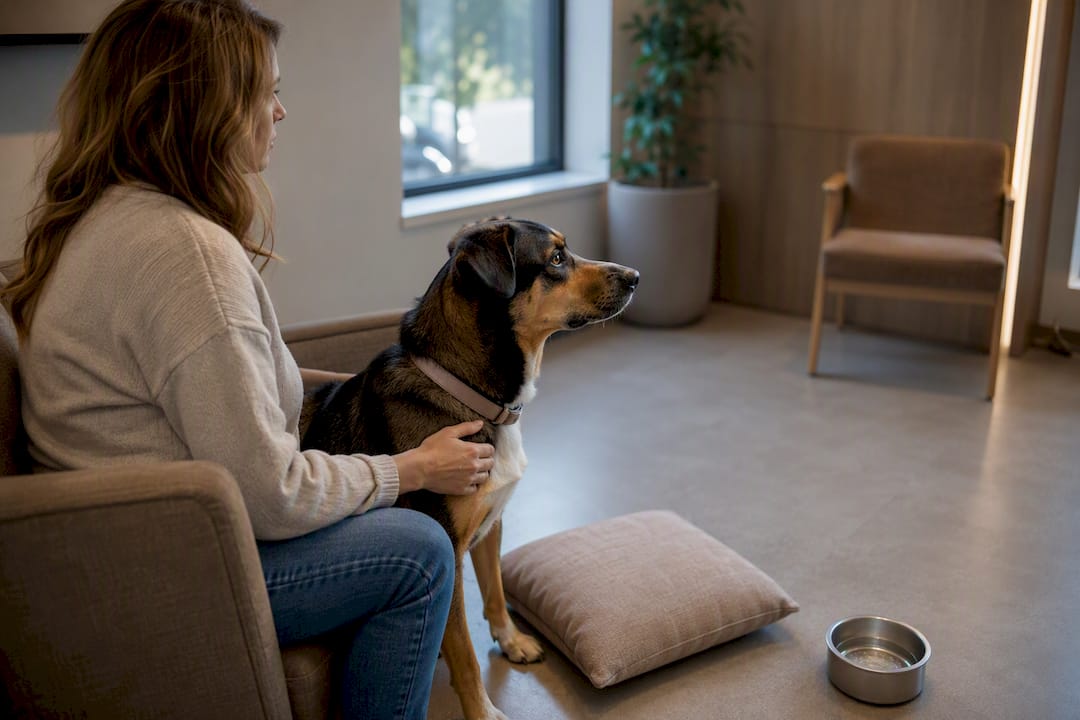
A calm pet holds still better, which means fewer blurry images and less need for sedation. Getting your dog or cat there in a good headspace starts well before you walk through the door.
Try these steps in the days and hours leading up to the visit:
- Take dogs for a short walk or play session earlier that day to burn off nervous energy.
- Leave cat carriers out at home for a week beforehand so they stop feeling like a trap.
- Use a pheromone spray on bedding or the carrier an hour before you leave.
- Bring a favorite blanket or worn T-shirt with your scent on it for the exam table.
Some pets, especially ones with a history of clinic anxiety, still need more than behavioral tricks. Vets sometimes prescribe a light oral anxiolytic or mild sedation when a pet's movement or pain response would otherwise make the images unreadable. Never give an over-the-counter calming product without checking with your clinic first, even something that seems harmless.
Pro Tip: If your dog gets visibly anxious in waiting rooms, ask about calming chews like Ubavet UbaCalm soft dog chews as a topic to bring up with your vet ahead of the visit rather than trying one cold on appointment day. For more on reducing anxiety before any clinic visit, see our guide on managing dog vet anxiety.
Do Medications Change Before An Ultrasound?
Never stop a prescribed medication on your own before an ultrasound. Insulin-dependent pets, in particular, need a specific plan from your vet since fasting alters blood sugar timing in ways that can be dangerous if insulin dosing isn't adjusted to match.
Diabetic, pediatric, geriatric, and cardiac patients almost always need a customized prep plan rather than the standard fasting window. What helps your clinic help your pet:
- Bring a written list of current medications, doses, and timing.
- Bring recent bloodwork if it was done at a different clinic.
- Share an emergency contact number in case something changes mid-appointment.
- Ask directly: "Does my pet's condition change the fasting or sedation plan?"
Your Day-Of Checklist Before The Appointment
A few small mistakes, like an unexpected snack or a bathroom break at the wrong moment, can mean a repeat visit. Run through this before you head out the door:
- Confirm the exact time food was last given and compare it against your clinic's fasting window.
- Check whether water is restricted for your pet's specific scan type.
- Prevent urination in the 2 to 6 hours before departure if bladder filling was requested.
- Pack a written medication list and any recent lab results.
- Bring the carrier or leash your pet is most comfortable with.
- Write down any questions about sedation, findings, or next steps.
- Arrive a few minutes early to fill out paperwork calmly rather than rushed.
At discharge, ask who will explain the images (often the sonographer initially, with a full radiologist report to follow) and what recovery looks like if sedation was used. For a closer look at what a full visit involves, our dog ultrasound cost guide walks through the process from arrival to results.
How City Animal Veterinary Center Supports Anxious Pets Through Imaging
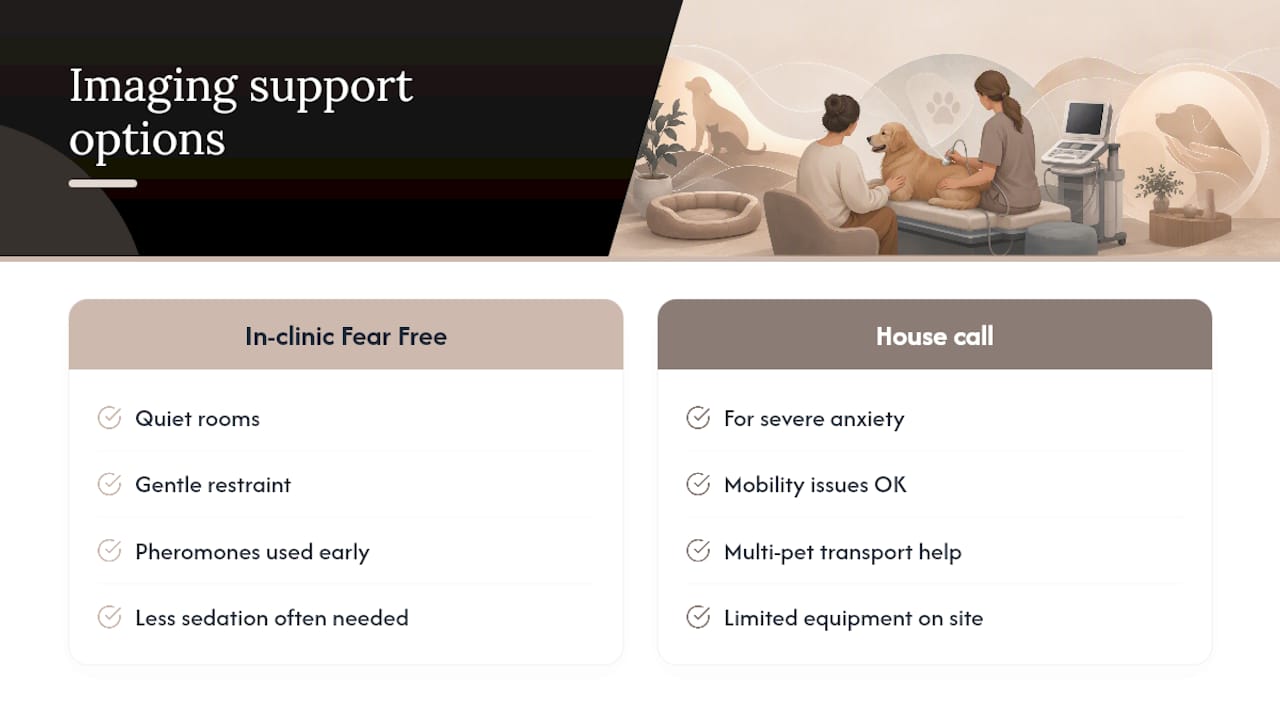
Fear Free handling changes how an ultrasound feels for a nervous pet. That means quiet rooms, gentle restraint instead of forceful holding, and pheromone use before the probe ever touches skin, an approach grounded in the same low-stress handling principles that reduce the need for heavy sedation during imaging.
For pets who genuinely can't tolerate clinic visits, whether from severe anxiety, mobility issues, or a multi-pet household that's hard to transport, a house call is sometimes the better route for basic diagnostics and follow-up care. Not every ultrasound can happen at home, since some cases need equipment only available on-site, but it's worth asking. Reach out before your appointment so City Animal Veterinary Center can tailor fasting instructions and medication timing to your pet's specific health picture rather than applying a one-size-fits-all rule.
Why Prep Quality Determines Diagnostic Accuracy
Skipping the fasting window or misjudging bladder timing doesn't just make a scan harder to read. It often means booking a second appointment and putting your pet through the whole process again. The steps above aren't busywork. Each one exists because sonographers have learned, appointment after appointment, exactly what gets in the way of a clear image. When something about your pet's situation doesn't fit the standard rules, a diabetic condition, a picky eater, a cat who refuses carriers, call the clinic before the appointment rather than the morning of. That one phone call usually saves the second visit.
— CAVC
Ready To Book Your Pet's Ultrasound?
City Animal Veterinary Center gives Brooklyn pet owners something most clinics don't: a Fear Free approach built specifically for pets who dread the vet, plus house-call visits for animals who genuinely can't handle the trip in. Diagnostic imaging, including ultrasound, digital X-rays, and lab work, gets paired with gentle handling techniques so the process feels less like an ordeal and more like routine care.
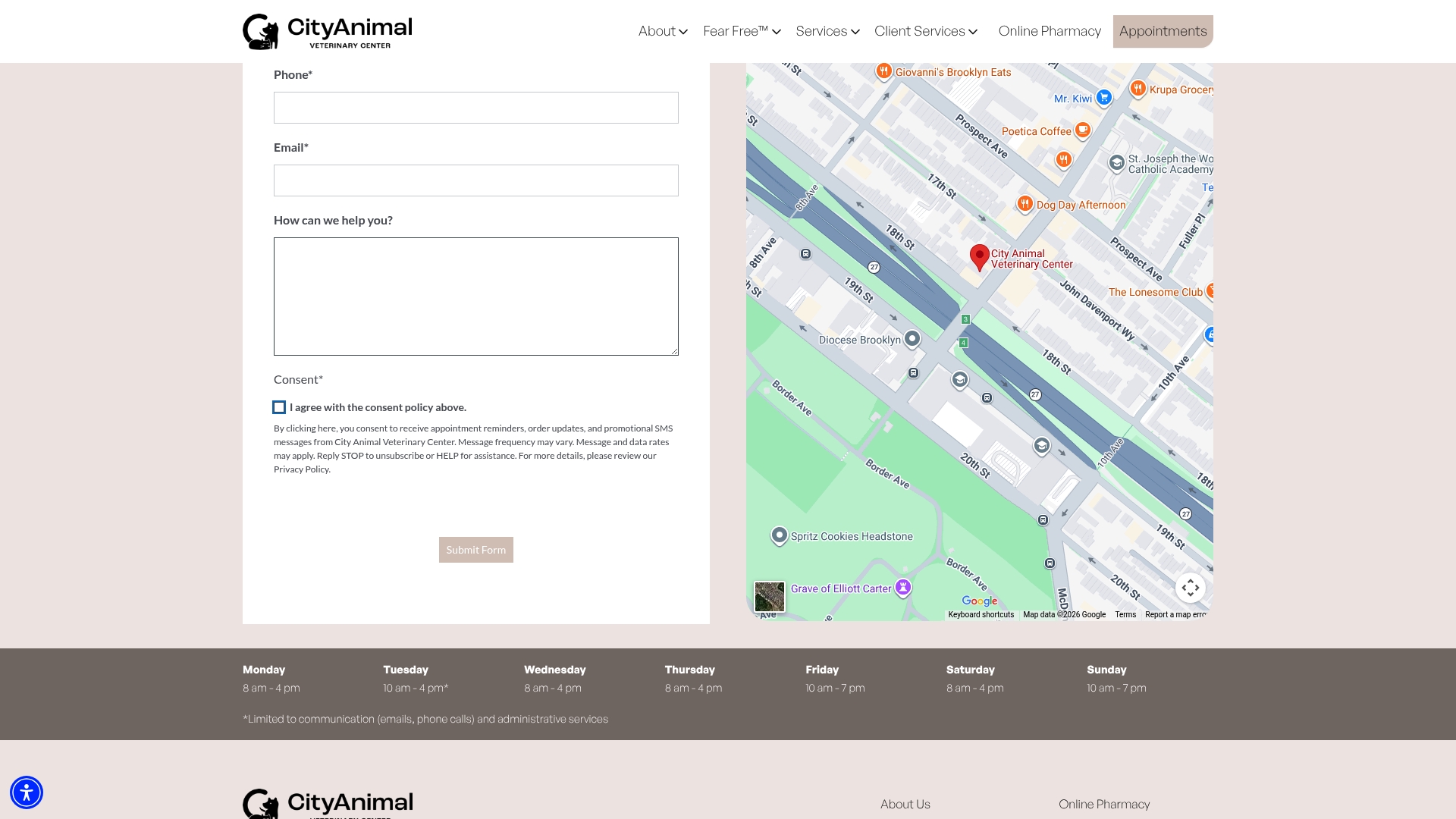
If your dog or cat has a history of clinic anxiety, or if getting them into a car is its own battle, ask about house-call eligibility when you reach out. Not every diagnostic need can be met at home, so it's worth confirming with the team directly rather than assuming. Visit City Animal Veterinary Center to schedule a consult or book your pet's next appointment.
Sources
- The effect of fasting on imaging quality in dogs (PubMed entry)
- Small animal veterinary guidelines for professional ultrasound practice (BMUS)