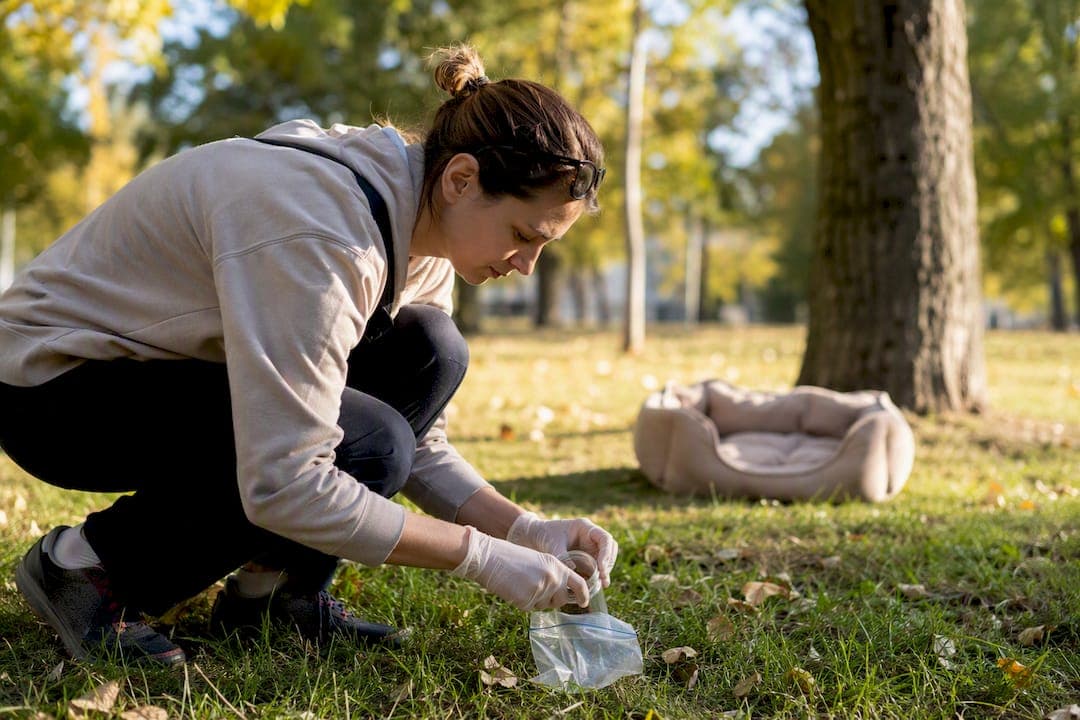
A dog fecal test is a lab exam of a stool sample that checks for intestinal parasites and certain infections your dog can't show you are there. The main purpose is detecting worms, protozoa, and other organisms invisible to the naked eye before they cause real damage.
- The Companion Animal Parasite Council (CAPC) recommends testing puppies four times in their first year and adult dogs at least twice annually.
- PetMD describes fecal exams as a routine, low-stress diagnostic used at nearly every wellness visit.
- City Animal Veterinary Center builds fecal screening into Fear Free wellness exams so testing doesn't add stress to the visit.
Key Takeaways
Routine fecal testing, done at CAPC-recommended intervals with the right diagnostic method for the situation, is the most reliable way to catch parasites before they cause real harm.
| Point | Details |
|---|---|
| Follow the CAPC schedule | Test puppies four times in year one and healthy adults at least twice a year. |
| Match the method to the case | Flotation covers routine checks; antigen, PCR, or McMaster counts handle harder cases. |
| Freshness affects accuracy | Collect samples within 12 to 24 hours and refrigerate if drop-off is delayed. |
| A negative result isn't final | Intermittent shedding means vets may repeat testing if symptoms continue. |
| Recheck after treatment | A follow-up exam two to four weeks later confirms the infection actually cleared. |
| City Animal Veterinary Center fits testing into low-stress visits | Fear Free wellness exams and house calls make routine fecal screening easier for anxious dogs and busy owners. |
Table of Contents
- What Is a Fecal Test for Dogs, and Which Methods Do Vets Use?
- What Does a Fecal Test Show in Dogs?
- How Often Should Dogs Get a Fecal Exam?
- How Should You Collect and Store a Stool Sample?
- What Do Positive and Negative Fecal Test Results Actually Mean?
- How City Animal Veterinary Center Makes Fecal Testing Easier
- What Happens If a Parasite Infection Goes Undetected?
- How Can You Prevent Reinfection After Treatment?
- Can Diet or Medication Affect Fecal Test Accuracy?
- What Determines the Type of Fecal Test Your Dog Needs?
- Sources
What Is a Fecal Test for Dogs, and Which Methods Do Vets Use?
A dog fecal test almost always starts with flotation, a veterinary procedure that helps detect parasites early. A small stool sample gets mixed with a special solution, and because parasite eggs are lighter than the fluid, they float to the top where a technician can see them under a microscope. Passive flotation is the simplest version, but centrifugal flotation spins the sample at high speed, which pulls more eggs to the surface and catches infections passive flotation misses.
A few other tools fill in the gaps:
- Fecal smear: a thin layer of stool checked immediately under the microscope, often used alongside flotation.
- SNAP antigen tests: in-office tests that deliver results in roughly 8 to 15 minutes, useful for fast answers during a sick-pet visit.
- Coproantigen and PCR tests: these detect parasite proteins or DNA rather than eggs, so they can catch prepatent infections or single-sex worm populations that produce no eggs at all. These usually get sent to outside labs.
- McMaster egg counts and sedimentation: quantitative flotation and sedimentation techniques vets reach for when they need actual egg counts or suspect fluke infections that don't float well.
Pro Tip: If your dog has been treated for parasites before and the vet suspects the dewormer didn't fully work, ask about a quantitative egg count. It's the most direct way to measure whether treatment actually worked, not just whether symptoms improved.
What Does a Fecal Test Show in Dogs?
The most common finds are roundworms, hookworms, whipworms, tapeworms, coccidia, and Giardia. SNAP tests can even flag parvovirus in some diagnostic workups, though that's a different antigen target than intestinal parasites. Giardia and some other protozoa shed inconsistently, so they often require antigen or PCR testing to confirm rather than a standard flotation alone.
Some of these parasites, particularly roundworms and hookworms, carry zoonotic risk, meaning they can pass to people, especially kids who play in contaminated soil. Washing hands after yard cleanup and picking up stool promptly cuts that risk substantially.
One review of park-based samples found that roughly 1 in 5 dogs tested carried an intestinal parasite, a reminder that infection is common even in dogs that look and act perfectly healthy.
How Often Should Dogs Get a Fecal Exam?
CAPC's baseline guidance is straightforward: puppies need fecal testing about four times during their first year, and healthy adult dogs need it at least twice a year. That's the floor, not the ceiling. Several situations call for more frequent checks:
- Puppies and kittens, since young animals carry heavier parasite loads and weaker immune defenses.
- Dogs adopted from shelters or rescues, where exposure history is often unknown.
- Dogs who visit dog parks, boarding facilities, or doggy daycare regularly.
- Dogs who travel, especially internationally or to regions with different parasite pressures.
- Any dog showing diarrhea, vomiting, weight loss, or a dull coat.
Monthly heartworm and flea preventives don't cover every intestinal parasite, and some organisms develop resistance over time. Testing is how you confirm prevention is actually working instead of assuming it.
How Should You Collect and Store a Stool Sample?
Freshness matters more than most owners realize. A sample collected within 12 to 24 hours gives the most accurate read, since some parasite eggs degrade or protozoa die off the longer stool sits.
- Grab a clean container or a doubled poop bag and collect a piece about the size of a teaspoon to one inch, whatever your vet's office requests.
- Avoid scooping up grass, dirt, or litter along with the sample; contamination can throw off results.
- Label the container with your dog's name and the collection date and time.
- Refrigerate it if you can't drop it off within a couple of hours. Never freeze it, since freezing damages parasite eggs and cysts.
- Bring it in as soon as possible, ideally the same day.
If you can't manage a fresh sample, don't stress. Veterinary teams routinely collect a small sample directly from the rectum during an exam, which works just as well diagnostically.
Pro Tip: Keep a spare zip-top bag and a small container in your car or by the leash hook. Catching a fresh sample the moment your dog goes is far easier than chasing one down later.
What Do Positive and Negative Fecal Test Results Actually Mean?
A positive result identifies a specific parasite or pathogen, which gives your vet a clear treatment target. A negative result is less absolute than it sounds. Parasites shed eggs intermittently, and a sample taken on an "off" day can come back clean even when an infection is present. Loose or watery stool also dilutes concentration and makes eggs harder to spot under the microscope.
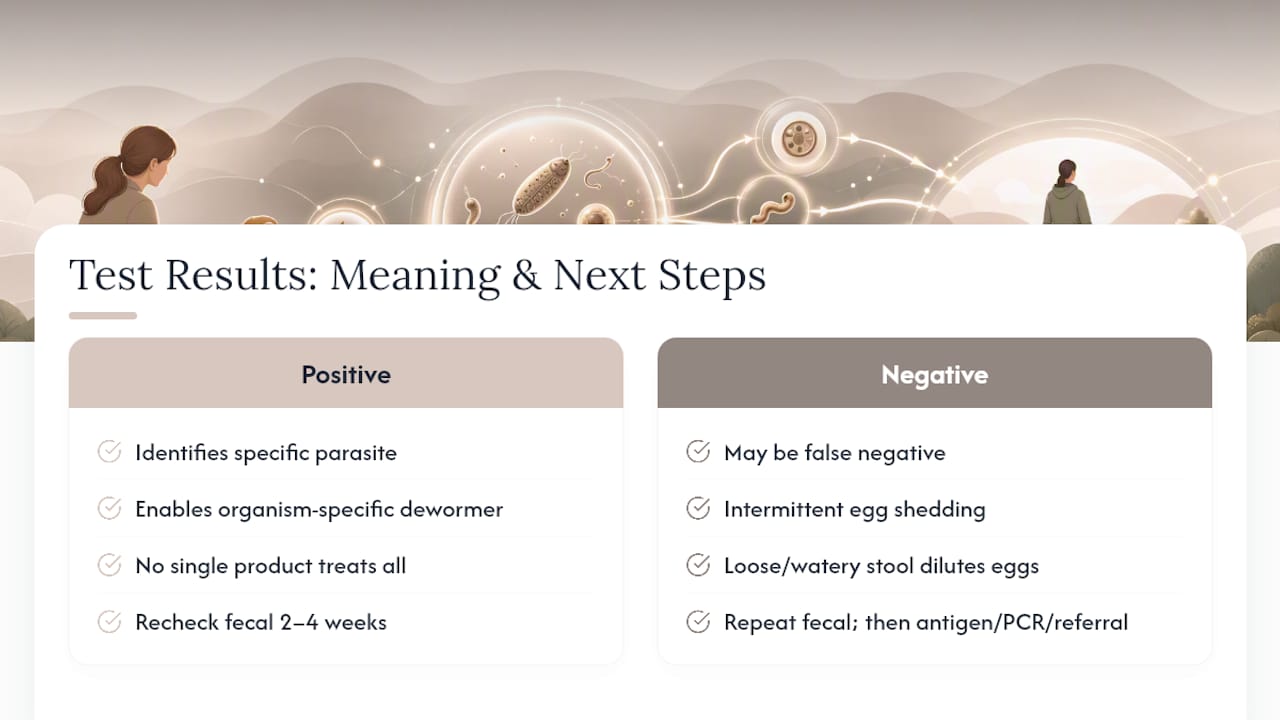
That's why vets sometimes repeat a fecal test in a week or two, especially if clinical signs persist despite a negative result. When suspicion stays high after a clean flotation, the next move is usually an antigen test, PCR, or a sample sent to a referral lab for species-level identification. If a dog has already been treated and symptoms continue, a quantitative fecal egg count reduction test (FECRT) can reveal whether the parasite population dropped as expected or whether resistance is likely.
Typical next steps after a positive result involve a dewormer or antiparasitic chosen for that specific organism, since no single product treats everything. Your vet will usually recommend a recheck fecal exam two to four weeks after treatment to confirm the infection actually cleared rather than assuming the medication worked.
How City Animal Veterinary Center Makes Fecal Testing Easier
Fecal testing shouldn't be the part of the vet visit your dog dreads. City Animal Veterinary Center folds sample collection into its Fear Free wellness exams, using gentle handling techniques that keep anxious dogs calm during collection and the rest of the visit.
- Fear Free-trained staff handle sample collection with minimal restraint and stress.
- House call visits let the team collect or receive a sample without a car ride or waiting room for dogs who struggle with clinic visits.
- Testing is built into routine wellness appointments, not treated as a separate stressful errand.
What Happens If a Parasite Infection Goes Undetected?
Untreated intestinal parasites rarely stay a minor issue. Puppies carrying heavy roundworm or hookworm burdens can develop anemia, stunted growth, and a pot-bellied appearance, and in severe cases, blood loss from hookworms can become life-threatening in young or small dogs. Whipworm infections tend to cause chronic, recurring diarrhea that owners often mistake for a food sensitivity, when the real cause is sitting in the large intestine the whole time.
Giardia and coccidia bring their own problems: persistent watery diarrhea, dehydration, and weight loss, especially in puppies and senior dogs with less resilient immune systems. Left alone, these infections don't just make a dog uncomfortable. They interfere with nutrient absorption, meaning a dog can be eating normally and still losing condition.
There's also the household risk to consider. Roundworms and hookworms are zoonotic, so a heavily infected dog can shed eggs into the yard or litter box area that pose a real risk to children and immunocompromised family members. A tapeworm infection your dog picked up from fleas might look cosmetic (you'll spot rice-like segments near the tail), but it signals an active flea problem that needs its own fix.
The pattern across nearly all of these organisms is the same: symptoms show up late, after the parasite has already been feeding, multiplying, or damaging tissue for weeks. A fecal test catches the problem before it reaches that point, which is the entire argument for testing dogs that look completely fine. Waiting for visible signs means waiting for the infection to get worse.
How Can You Prevent Reinfection After Treatment?
Treating the parasite is only half the job. Eggs and cysts can survive in soil, bedding, and yards for months, so a dog can clear an infection and pick the exact same parasite back up within weeks if the environment isn't addressed.
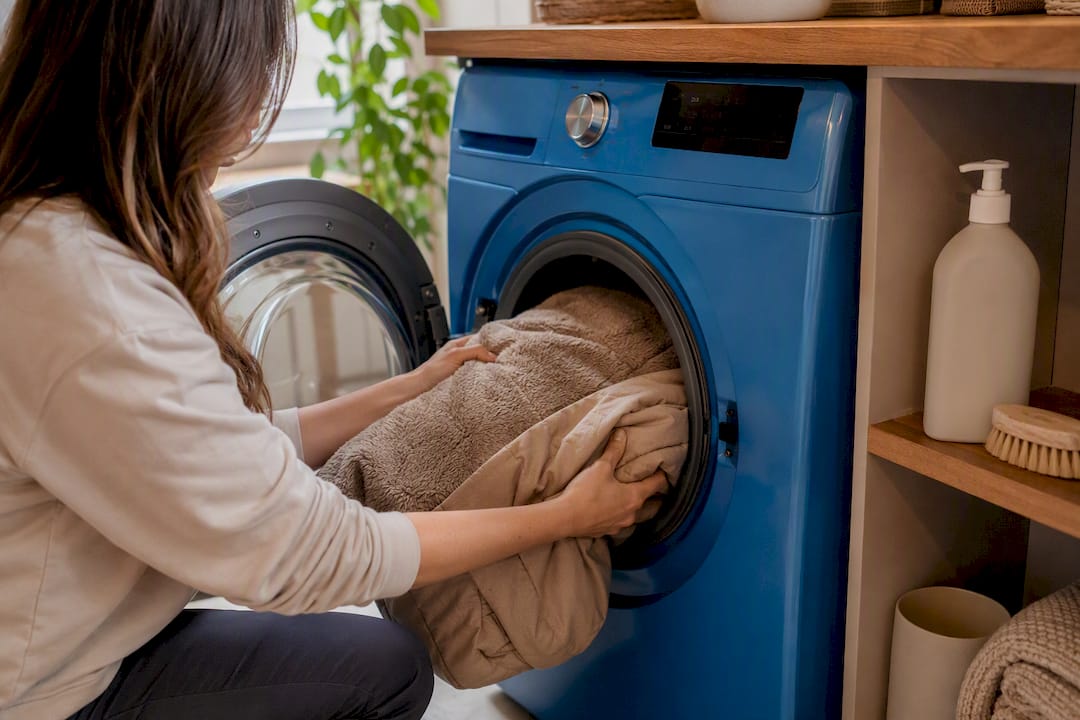
Start with cleanup. Pick up stool daily rather than weekly, since the longer feces sit in a yard, the more time eggs have to mature into an infective stage. Wash bedding, food bowls, and toys in hot water after a positive diagnosis, particularly for Giardia, which spreads through contaminated surfaces and water bowls shared between pets.
Multi-dog and multi-cat households need special attention. If one pet tests positive, it's worth discussing testing or preventive treatment for every animal in the home, since reinfection often comes from an untreated housemate rather than the environment. Flea control matters here too: tapeworms cycle right back into a dog that swallows an infected flea while grooming, so treating tapeworms without addressing fleas is treating half the problem.
Finally, stick to the recheck schedule your vet recommends. A follow-up fecal exam two to four weeks after treatment confirms the parasite is actually gone rather than just suppressed, and it catches early reinfection before it turns into a repeat of the original problem. Consistent monthly parasite prevention, paired with the CAPC-recommended testing cadence, is the closest thing to a real safety net against the cycle starting over.
Can Diet or Medication Affect Fecal Test Accuracy?
Yes, and this trips up more owners than you'd expect. A recent course of dewormer, antibiotics, or antidiarrheal medication can suppress parasite shedding temporarily, which means a fecal test performed too soon after treatment may come back falsely negative even if some parasites survived. Vets generally want to know about any medication given in the past few weeks before they interpret results.
Diet changes matter too, though in a different way. A sudden switch in food, a high-fat meal, or a new treat can cause loose stool that dilutes the sample and makes eggs harder to find under the microscope. Fiber supplements and psyllium can also change stool consistency enough to affect how well a sample floats during flotation testing.
Bland diets prescribed for an upset stomach won't cause a false result on their own, but a stressed or upset gut producing watery stool makes any fecal exam less reliable, parasite testing included. If your dog is on a new diet, recently dewormed, or taking anything that affects the GI tract, mention it when you drop off the sample. That single detail can change how your vet interprets a negative result and whether they recommend a repeat test.
What Determines the Type of Fecal Test Your Dog Needs?
City Animal Veterinary Center does not publish pricing here, but the type of test your vet recommends depends on a few factors worth understanding before your visit. A routine wellness check typically calls for standard flotation, the most common and widely available method. If your dog shows diarrhea that isn't resolving, or if a first test comes back negative despite ongoing symptoms, your vet may step up to a SNAP antigen test for a fast in-office answer, or send a sample out for antigen or PCR testing when higher sensitivity is needed.
Quantitative counts like McMaster testing and referral lab work for species identification represent a further step up in complexity, generally reserved for cases involving suspected treatment resistance or unusual parasites. Ask your City Animal Veterinary Center vet which method fits your dog's specific situation and history.
Why Routine Testing Deserves a Permanent Spot on Your Dog's Calendar
The habit that actually protects dogs isn't a single perfect test. It's the twice-a-year rhythm CAPC recommends, paired with a vet who treats testing as routine rather than reactive. City Animal Veterinary Center builds that rhythm into every wellness visit so it never becomes an extra decision you have to remember to make.
Talk to your vet about your dog's specific risk factors, dog park visits, travel, other pets in the house, and let that conversation set the actual cadence.
— CAVC
Book a Low-Stress Fecal Exam With City Animal Veterinary Center
City Animal Veterinary Center runs fecal testing the way it should be done: built into a Fear Free wellness visit, handled by a team trained to keep anxious dogs calm through sample collection and the rest of the exam.
If getting your dog into a clinic feels like its own obstacle, the house call option lets the team come to you, collect what's needed, and skip the car ride and waiting room entirely. Between in-clinic visits and home appointments, there's a workable path for nearly every schedule and every temperament, whether your dog is a nervous rescue or a squirmy puppy who's never sat still for anything. Ready to get your dog's parasite screening on the calendar? Book an appointment with City Animal Veterinary Center and ask the team about Fear Free scheduling or a house call visit.
Sources
- Fecal Tests for Dogs: What Are They, and Why Are They Important? | PetMD
- General guidelines | Companion Animal Parasite Council (CAPC)
- Comparison of current fecal examination techniques for diagnosing parasites in companion animals | Today's Veterinary Practice
- What You Need to Know About Dog Fecal Tests and Collecting Samples | AKC