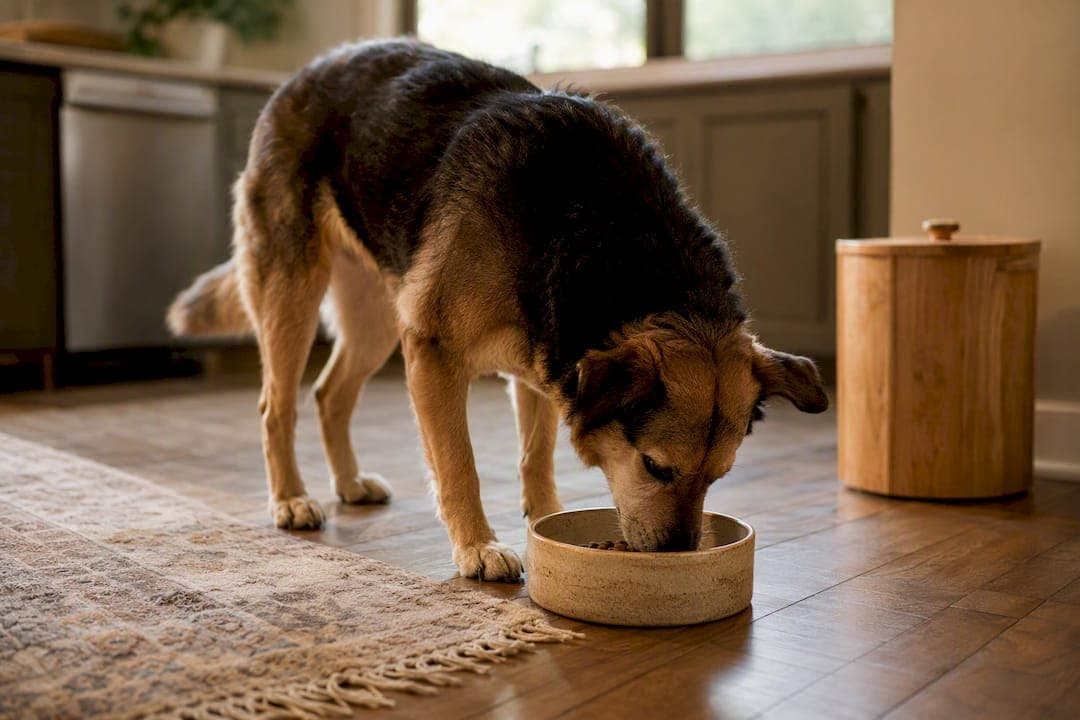
An elimination diet trial is the only reliable way to diagnose a food allergy in a dog, and it only works when run strictly for a minimum of eight weeks, followed by a controlled reintroduction. When done correctly, roughly 95% of dogs with a food allergy respond within that window. Skip the strictness or shorten the timeline, and the results become meaningless.
Here's what to do right now if you suspect your dog has a food sensitivity:
- Book a baseline exam with your veterinarian before changing anything.
- Ask about hydrolyzed versus novel-protein diet options for your dog's specific history.
- Commit to a strict 8-week minimum elimination period.
- Plan for a reintroduction phase to confirm any suspected trigger.
- Work with a clinic, such as City Animal Veterinary Center, that can supervise the process and adjust the plan as symptoms change.
Key Takeaways
A strict eight-week elimination diet, followed by a supervised reintroduction, is the only reliable way to diagnose a food allergy in dogs.
| Point | Details |
|---|---|
| Run the full eight weeks | Stopping early, even after improvement at four to six weeks, undermines the diagnostic result. |
| Choose diet based on history | Hydrolyzed diets suit uncertain histories; novel-protein diets need a genuinely unexposed ingredient. |
| Eliminate every hidden exposure | Treats, flavored meds, chews, and cross-contaminated OTC diets are the top causes of trial failure. |
| Confirm with reintroduction | Symptoms returning within 12 hours to 14 days after reintroducing the old diet confirms the diagnosis. |
| Skip blood and saliva tests | These commercial kits are not reliable for food allergy diagnosis; the elimination trial is the standard. |
| Work with a supervising clinic | City Animal Veterinary Center supports diet history intake, follow-ups, and reintroduction guidance throughout the trial. |
Table of Contents
- What Is an Elimination Diet for Dogs?
- Who Should Consider a Food Trial for Dogs?
- Novel Protein vs. Hydrolyzed Diets: Which Should You Choose?
- How Long Does an Elimination Diet Trial Take?
- What Foods and Products Must Be Removed During the Trial?
- How to Reintroduce Food After the Elimination Phase
- What Mistakes Derail Most Elimination Diet Trials?
- Do Blood or Saliva Allergy Tests Work for Food Allergies?
- What Happens After You Identify the Problem Ingredient?
- What Does the Clinical Evidence Say About Elimination Diets?
- The Clinic Perspective: How City Animal Veterinary Center Approaches a Diet Trial
- Get Support for Your Dog's Elimination Diet Trial
- Frequently Asked Questions About Elimination Diets for Dogs
- Sources
What Is an Elimination Diet for Dogs?
An elimination diet trial for dogs is a two-phase test: first you feed a single, tightly controlled diet for an extended period to let symptoms resolve, then you reintroduce the old diet to see if symptoms return. That second phase, called the challenge or provocation, is what actually confirms the diagnosis. Skipping it means you never really know if food was the problem.
Vets reach for this test when a dog shows patterns that suggest an adverse food reaction rather than an environmental allergy. Common indications include:
- Chronic, nonseasonal itching (pruritus) that doesn't track with pollen season.
- Recurrent GI issues like loose stool, vomiting, or excessive gas with no other clear cause.
- Ear infections that keep coming back despite treatment.
- Skin issues that haven't responded to flea control or topical medication.
Pro Tip: Keep a simple log from day one, noting itch severity, stool quality, and any flare, with a dated photo every few days. That record is often what separates a diagnosis from a guess when you and your vet review results at week eight.
Who Should Consider a Food Trial for Dogs?
A trial makes sense if your dog has nonseasonal skin or GI symptoms that have lasted more than a few weeks and haven't responded to flea treatment, antibiotics, or a simple diet swap. Run through this before you start:
- Have symptoms been present for weeks or months, not days?
- Is the itching or GI upset happening year round, not just in spring or summer?
- Has your dog already been treated for parasites, infections, or environmental allergies without lasting improvement?
See your veterinarian first, rather than trying a DIY trial, if your dog shows severe skin lesions, unexplained weight loss, or is on ongoing medications that need review before a diet change. Bring a written diet history, including every treat and chew from the past few months, along with photos of the affected skin and a log of symptom frequency. That prep work shortens the first visit considerably.
Novel Protein vs. Hydrolyzed Diets: Which Should You Choose?
Veterinarians commonly reach for a hydrolyzed protein diet first, especially when a dog's full diet history is unclear, because it sidesteps the guesswork of picking a truly novel protein. Hydrolyzed diets break proteins down into peptides too small for the immune system to easily recognize, which means the diet can work even if your dog has technically eaten every "novel" protein on the market.
Novel-protein, or limited-ingredient, diets take a different approach: they use a protein and carbohydrate source your dog has genuinely never eaten, like rabbit or venison paired with a starch such as pumpkin. That only works diagnostically if you can honestly say your dog has never had that ingredient, which is harder than it sounds once you count every treat, dental chew, and table scrap over the years.
A quick way to think through the choice:
- Diet history is spotty or your dog has eaten widely? Hydrolyzed is usually the safer bet.
- You have a clear, documented history and a genuinely unexposed protein? Novel-protein diets work well and tend to be more palatable.
- Cost, palatability, or GI tolerance is a concern? Discuss both categories with your vet, since three main diet categories exist for trials: veterinary therapeutic limited-ingredient, commercial hydrolyzed, and home-cooked novel-protein.
Over-the-counter "limited-ingredient" bags are not held to the same manufacturing standards as veterinary therapeutic diets, and cross-contamination during production is a documented cause of trial failure. For a diagnostic trial, a prescription hydrolyzed or veterinary therapeutic diet is the safer choice over a pet-store bag with similar marketing language.
Home-cooked novel-protein diets can work for the trial itself, but they're frequently unbalanced for long-term feeding unless a veterinary nutritionist formulates them.
How Long Does an Elimination Diet Trial Take?
Plan for a minimum of eight weeks on the trial diet, even though some dogs start improving within four to six weeks. That gap matters: stopping early because symptoms look better at week five is one of the most common reasons trials get repeated.
By the numbers: Extending the elimination phase to eight weeks pushes diagnostic sensitivity above 90 percent, compared with a much less reliable read at four or five weeks. Dogs with GI symptoms often show improvement faster than dogs with skin disease, since gut lining changes turn over more quickly than skin does.
Track these weekly so you and your vet have real data at the eight-week mark:
- Itch score (a simple 0 to 10 scale works fine).
- Stool consistency and frequency.
- Skin appearance, with a dated photo each week.
- Any new symptoms, even minor ones.
What Foods and Products Must Be Removed During the Trial?
During the elimination phase, your dog eats only the prescribed diet. Nothing else goes in the mouth: no treats, no flavored medications, no dental chews, no table scraps, no rawhide, and no "just this once" bites from your plate.
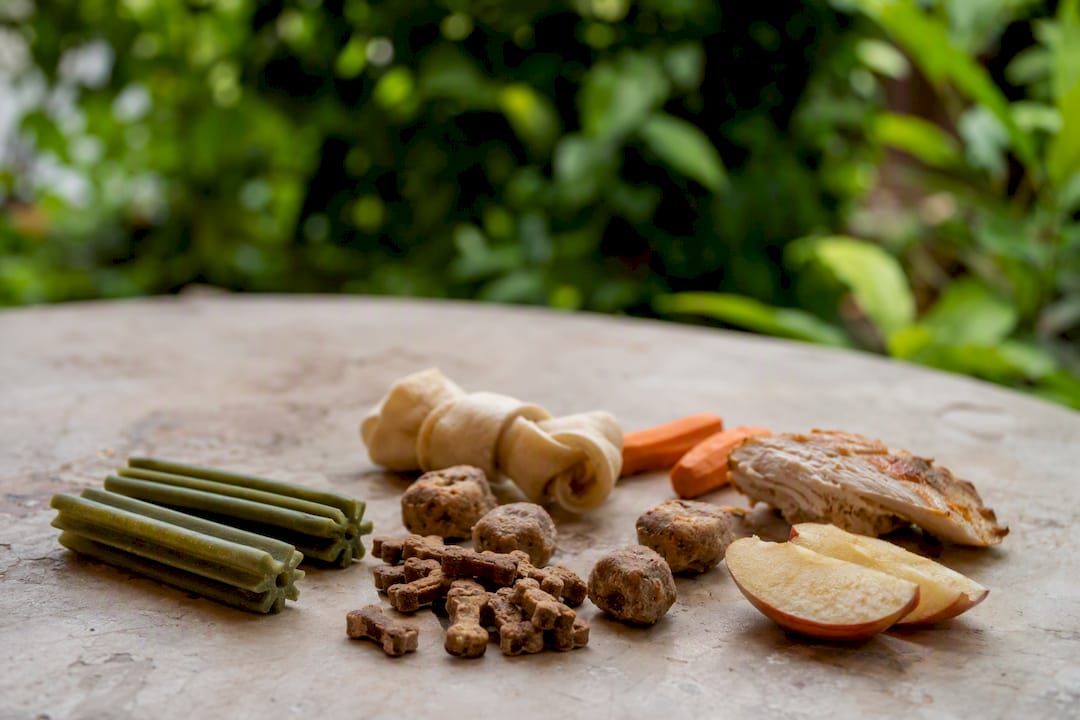
That sounds obvious until you count everything a dog encounters in a normal week. Flavored medications, chew toys, supplements, and cross-contaminated over-the-counter diets are among the most common accidental exposures that quietly reset a trial back to day one.
Pro Tip: If your dog takes a monthly flea or heartworm preventive with a flavored coating, ask your vet about an unflavored or topical alternative for the trial's duration. That one substitution prevents a surprisingly common source of failure.
Quick reference for what stays and what goes:
- Safe: the prescribed trial diet, plain water, medications your vet confirms are compatible.
- Not safe: flavored pills, rawhide, pig ears, dental chews, peanut butter used to hide pills, table scraps, cat food (if you have a multi-pet household), and edible toys.
- Multi-pet households: feed the trial dog separately and pick up all bowls immediately, since dogs that scavenge a housemate's food will contaminate results.
How to Reintroduce Food After the Elimination Phase
Once your dog's symptoms have resolved for the full eight weeks, the next step is a supervised reintroduction, sometimes called a provocative challenge. This step is what actually confirms the diagnosis. Without it, you have a dog that got better on a bland diet, not proof of a food allergy.
By the numbers: Symptom recurrence after reintroducing the original diet typically shows up within 12 hours to 14 days, so patience matters here as much as it did during elimination.
- Reintroduce your dog's previous diet exactly as it was fed before the trial.
- Watch closely for two weeks, logging any return of itching, GI upset, or ear inflammation.
- If symptoms return, confirm the diagnosis of a food-related adverse reaction with your vet.
- Once symptoms resolve again on the trial diet, reintroduce single ingredients one at a time rather than the whole old diet at once.
- Wait several days between each new ingredient, recording any reaction before moving to the next.
An adapted schedule might look like this: days 1 through 3, feed the trial diet plus a single new protein; days 4 through 7, watch and log; if clean, add the next ingredient. This methodical, one-ingredient-at-a-time approach is exactly how clinicians identify the specific trigger rather than just confirming that "something" in food was the problem.
What Mistakes Derail Most Elimination Diet Trials?
Most failed trials aren't a sign that food wasn't the problem. They're a sign the trial wasn't run cleanly. The most frequent mistakes:
- Accidental exposures from treats, flavored meds, or a housemate's food bowl.
- An incomplete diet history, leading to a "novel" protein that wasn't actually novel.
- Stopping the trial early once symptoms improve, before the eight-week mark.
- Choosing an over-the-counter limited-ingredient diet with unlisted trace contaminants.
- Losing track of what happened week to week, making it hard to correlate flares with exposures.
A few habits fix most of this. Keep a written feeding log, even a simple notes app entry, every time something goes in your dog's mouth. Schedule the follow-up appointments your vet recommends rather than skipping them because things look fine. When you transition onto or off the trial diet, do it gradually over five to seven days to avoid GI upset that can be mistaken for a reaction. A photo timeline of your dog's skin, paired with a simple symptom log, gives your vet something concrete to evaluate instead of relying on memory at the eight-week checkup.
Do Blood or Saliva Allergy Tests Work for Food Allergies?
No. Commercial blood, saliva, and hair allergy tests are not reliable for diagnosing food allergies in dogs, no matter how the marketing reads. A review of the accuracy of these tests in companion animals found them highly inaccurate for this purpose, and the elimination diet trial remains the only dependable diagnostic method available.
That doesn't mean other diagnostics have no role. They're useful for ruling out look-alike conditions or confirming secondary issues:
- Skin cytology identifies bacterial or yeast overgrowth that can mimic or worsen allergic skin disease. City Animal Veterinary Center's guide to skin cytology in dogs walks through what that test involves.
- Fecal testing rules out parasites contributing to GI symptoms.
- Dermatology referral helps when symptoms don't cleanly track with diet changes or when multiple conditions overlap.
If your dog's symptoms don't match the expected pattern of improvement on a trial diet, or if you suspect something beyond diet is going on, loop in your veterinarian or a board-certified dermatologist before assuming the trial failed.
What Happens After You Identify the Problem Ingredient?
Once a specific trigger is confirmed, lifelong avoidance of that ingredient is usually the long-term plan. There's no cure for a food allergy, only management.
Build a simple system so avoidance actually sticks. Label containers and feeding stations clearly if multiple people or pets share the household. Write a one-page instruction sheet for pet sitters or boarding staff listing the exact trigger ingredient and safe alternatives. Get in the habit of reading every ingredient panel on treats, chews, and even toothpaste, since triggers show up in unexpected products.

Pro Tip: Schedule a re-check with your vet every six to twelve months, especially if you're considering a switch to a different maintenance diet. Nutritional needs and product formulations both change over time, and a periodic review catches problems before they turn into another flare.
What Does the Clinical Evidence Say About Elimination Diets?
The eight-week minimum isn't an arbitrary number, it's the point at which diagnostic accuracy holds up. Here's the guideline-level evidence behind the standard approach:
- An eight-week elimination phase pushes diagnostic sensitivity above 90 percent, compared with a much less reliable picture at four or five weeks.
- Many dogs show visible improvement within four to six weeks, but that early response doesn't confirm the diagnosis on its own.
- Owner compliance and education are consistently cited as the biggest determinant of trial success, more than the specific diet chosen.
By the numbers: roughly 95% of dogs with a genuine food allergy respond by the eight-week mark when the trial is run without exposures.
Supervision matters here in a way that's easy to underestimate. A documented diet history, scheduled follow-up visits, and a clinician who can troubleshoot a stalled trial all directly affect whether you get a real answer at the end or have to start over.
The Clinic Perspective: How City Animal Veterinary Center Approaches a Diet Trial
When a dog comes in with chronic itching or recurrent GI signs, the first visit is about building a full diet history, not jumping straight to a prescription diet. We ask about every treat, chew, and flavored medication going back months, because that history determines whether a novel-protein or hydrolyzed diet makes more sense. From there, we schedule check-ins at key points in the eight-week window rather than leaving owners to guess whether things are on track.
What tends to make trials succeed in practice:
- Fear Free handling that keeps exam visits low-stress for anxious dogs.
- Home visits for owners who struggle to transport a dog for frequent follow-ups.
- In-house lab testing to rule out infections or parasites that mimic food allergy symptoms.
- Direct nutrition counseling during the reintroduction phase, when questions come up fast.
Get Support for Your Dog's Elimination Diet Trial
City Animal Veterinary Center runs elimination diet trials the way they're meant to be run: with a full diet history, a diagnostic plan matched to your dog's specific case, and scheduled follow-ups so you're never guessing whether the trial is working.

An eight-week trial lives or dies on the details most owners don't think to ask about, like which flavored medication is quietly undermining week six. That's where a supervised plan pays off: a veterinarian who reviews your dog's history, recommends the right diet category for that history, and walks with you through the reintroduction phase to actually confirm the diagnosis. City Animal Veterinary Center offers Fear Free handling for anxious dogs, home visits for owners who can't easily get to a clinic, and nutrition counseling throughout the process. If your dog has been dealing with unexplained itching or GI upset, book an appointment with City Animal Veterinary Center to get a supervised elimination diet trial started with a clear plan from day one.
Frequently Asked Questions About Elimination Diets for Dogs
How long does an elimination diet trial need to last? Plan for a minimum of eight weeks on the trial diet. Some dogs show improvement within four to six weeks, but the full eight weeks is needed to confirm the diagnosis reliably.
Can I do a food trial for my dog without a veterinarian? You can technically buy a limited-ingredient diet without veterinary involvement, but a supervised trial catches hidden exposures, tracks progress accurately, and manages the reintroduction phase correctly. That oversight is what makes the results trustworthy.
What's the difference between a novel protein diet and a hydrolyzed protein diet? A novel-protein diet uses an ingredient your dog has never eaten before, while a hydrolyzed diet breaks proteins into fragments too small for the immune system to recognize regardless of prior exposure. Vets often prefer hydrolyzed diets when a dog's diet history isn't fully clear.
Do cats need elimination diets too? Yes. Cats can develop food allergies the same way dogs do, and the same principles apply: a strict novel-protein or hydrolyzed diet, run for a minimum period, followed by reintroduction to confirm the trigger.
Why can't I just use a blood or saliva allergy test instead? Commercial blood and saliva allergy tests are not accurate for diagnosing food allergies in pets. The elimination diet trial is the only diagnostic method with real clinical support behind it.
What if my dog's symptoms come back during the trial diet phase itself? That usually points to an accidental exposure, like a flavored medication or a scavenged treat, rather than a failure of the diet itself. Review every product your dog has had contact with and talk to your veterinarian about restarting the clock if needed.
Sources
For readers who want to go deeper into the clinical guidelines behind this process, these sources cover the diagnostic standards referenced throughout this guide:
- Cooking Up a Food Allergy: Conducting a Diagnostic Food Trial - Veterinary Medicine at Illinois
- Hydrolyzed Diets - NC State Veterinary Hospital
- Nutrition in Disease Management in Small Animals - Merck Veterinary Manual
- Review article on the accuracy of allergy testing in companion animals (PubMed)
- Elimination Diet Trials: Steps for Success and Common Mistakes | Today's Veterinary Practice
For related clinic guidance, see City Animal Veterinary Center's posts on skin cytology in dogs and preparing for senior wellness exams, both useful for planning follow-up visits during a trial.