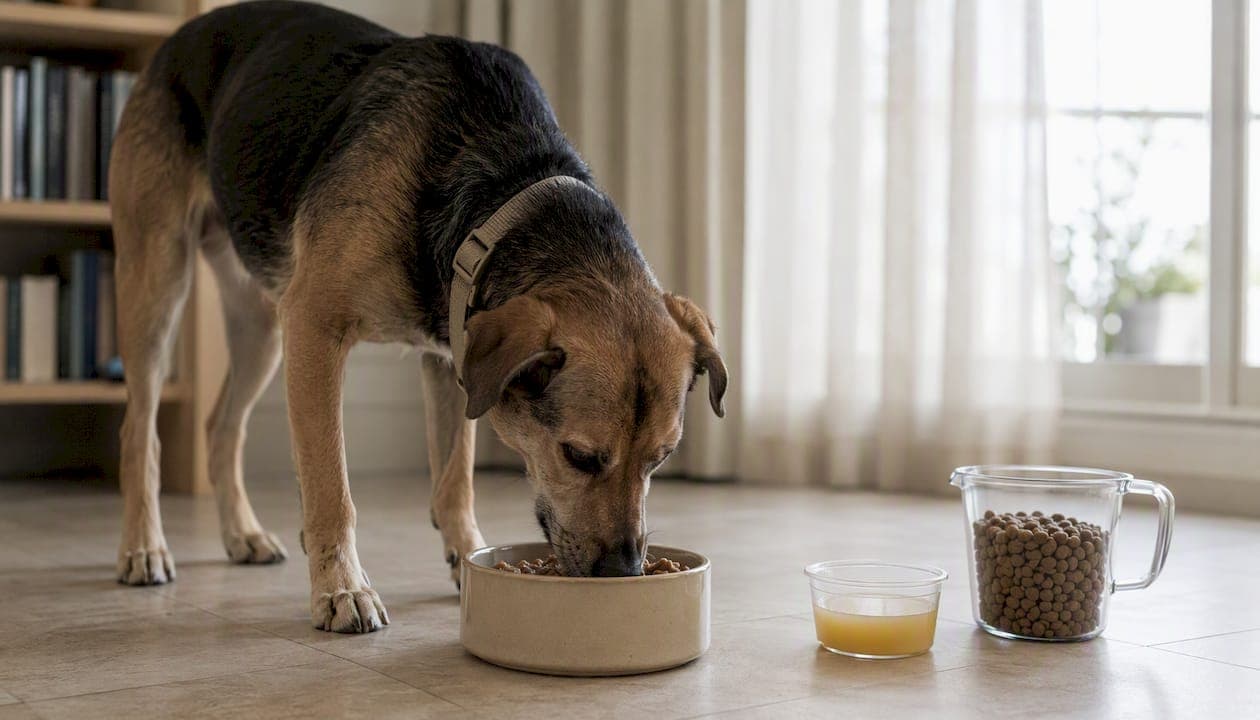
Dogs with pancreatitis need a low-fat, highly digestible diet as the foundation of both recovery and long-term management. The clinical target most vets work from is a low fat content on a dry-matter basis, with stricter ultra-low-fat thresholds for dogs with concurrent hypertriglyceridemia, aligning with clinical guidance. A prescription low-fat gastrointestinal diet is the safest first choice. If your vet clears you for at-home care and you need a bridge for the first 24–72 hours, plain boiled skinless chicken breast and white rice is a reasonable short-term option but not a long-term solution.
Safest short-term food options:
- Prescription low-fat GI therapeutic diets (ask your vet for clinic-preferred options)
- Plain boiled skinless chicken breast + white rice (emergency bridge only, 24–72 hours, vet-directed)
- Small, frequent meals rather than one or two large ones
Foods to avoid immediately:
- Fatty table scraps of any kind
- Pig ears, rawhide, and high-fat chews
- Peanut butter (most commercial varieties are high in fat)
- Organ meats, lamb, duck, and any food with added oils in the top five ingredients
Seek emergency veterinary care if your dog shows any of these signs: severe or repeated vomiting, collapse or extreme weakness, hunched posture with rigid abdomen, signs of severe abdominal pain (crying, inability to get comfortable), or a fever that persists beyond a few hours. These indicate a potentially life-threatening episode that cannot be managed at home.
Key Takeaways
| Point | Details |
|---|---|
| Primary fat target | Keep dietary fat at or below 15% DM for most dogs; at or below 10% DM for hypertriglyceridemic dogs. |
| Choose a highly digestible diet | Prescription low-fat GI diets are the safest first choice; calculate DM fat % before using any OTC option. |
| Count treats in the fat budget | Every treat, chew, and supplement adds to daily fat intake; track all of them against the clinical target. |
| Follow a stepwise transition | Start at 25% of daily ration on day one post-discharge and increase gradually over 5–7 days. |
| City Animal Veterinary Center | Offers in-clinic SPEC-cPL testing, ultrasound, nutrition counseling, and house call follow-up for pancreatitis management in Brooklyn, NY. |
Table of Contents
- What does the pancreas do, and why does pancreatitis change everything?
- What causes pancreatitis, and how do risk factors shape diet choices?
- How do vets diagnose pancreatitis, and what tests should you expect?
- What does acute management look like, and when does feeding start?
- What are the core dietary principles for dogs with pancreatitis?
- How do you choose a diet and read pet food labels?
- Are homemade or raw diets safe for dogs with pancreatitis?
- How do you transition from the hospital to home feeding?
- What does long-term management look like, and how do comorbidities change the plan?
- How do you monitor recovery at home, and when is it an emergency?
- How City Animal Veterinary Center manages pancreatitis cases in practice
- Balancing strict nutrition with a dog's quality of life
- City Animal Veterinary Center is ready to help your dog recover
- Sources
What does the pancreas do, and why does pancreatitis change everything?
The pancreas does two jobs simultaneously. On the digestive side, it produces enzymes, including lipase, amylase, and proteases, that break down fat, carbohydrates, and protein in the small intestine. On the endocrine side, it releases insulin and glucagon to regulate blood sugar. When the pancreas becomes inflamed, those digestive enzymes activate prematurely inside the organ itself rather than in the intestine where they belong. The result is a painful, self-digesting process that can range from mild and transient to severe and life-threatening.
Acute vs. chronic pancreatitis: why the distinction matters for diet
Acute pancreatitis comes on suddenly, often after a single high-fat meal or dietary indiscretion. The immediate goal is to rest the inflamed organ, control pain and vomiting, and reintroduce food carefully once the dog is stable. Chronic pancreatitis develops over months or years, often with repeated low-grade flares. Dogs with the chronic form frequently need lifelong dietary modification rather than a temporary adjustment.
The dietary priorities differ in a meaningful way:
- Acute recovery: Minimize pancreatic stimulation during the inflammatory phase, then reintroduce a low-fat, highly digestible diet in small, frequent meals as clinical signs resolve.
- Chronic management: Sustained fat restriction to prevent recurrent flares, with individualized targets based on lipid panels, body condition, and any concurrent disease.
A 2024 JAVMA review confirms that low-fat gastrointestinal diets are frequently recommended for initial management, while also noting that evidence is largely retrospective and that digestibility, energy density, protein, and fiber all matter alongside fat content. That nuance is worth keeping in mind: fat restriction is the headline, but it is not the whole story.
What causes pancreatitis, and how do risk factors shape diet choices?
Understanding what triggered a dog's pancreatitis is not just academic. It directly changes how aggressively you restrict fat and whether you need a specialist.
Common causes and risk factors:
- Dietary indiscretion: A single high-fat meal (holiday leftovers, garbage raiding, a fatty treat) is one of the most common triggers, particularly for first episodes.
- Breed predisposition: Miniature Schnauzers have a well-documented tendency toward hypertriglyceridemia, which significantly raises pancreatitis risk and pushes fat targets lower.
- Obesity: Excess body fat correlates with higher circulating lipids and increased inflammatory risk.
- Hypertriglyceridemia: Elevated blood triglycerides, whether primary (genetic) or secondary, are a major driver of recurrent pancreatitis and require an ultra-low-fat diet target.
- Endocrine disease: Diabetes mellitus and hyperadrenocorticism (Cushing's disease) both alter lipid metabolism and increase susceptibility.
- Certain medications: Potassium bromide, some sulfonamides, and azathioprine have been associated with pancreatitis in dogs.
- Concurrent GI disease: Inflammatory bowel disease and other GI conditions can overlap with or complicate pancreatitis management.
How risk factors change diet selection is direct. A dog with a single mild episode and no hypertriglyceridemia may only need a temporary low-fat diet during recovery, then a moderate maintenance diet with careful treat management.
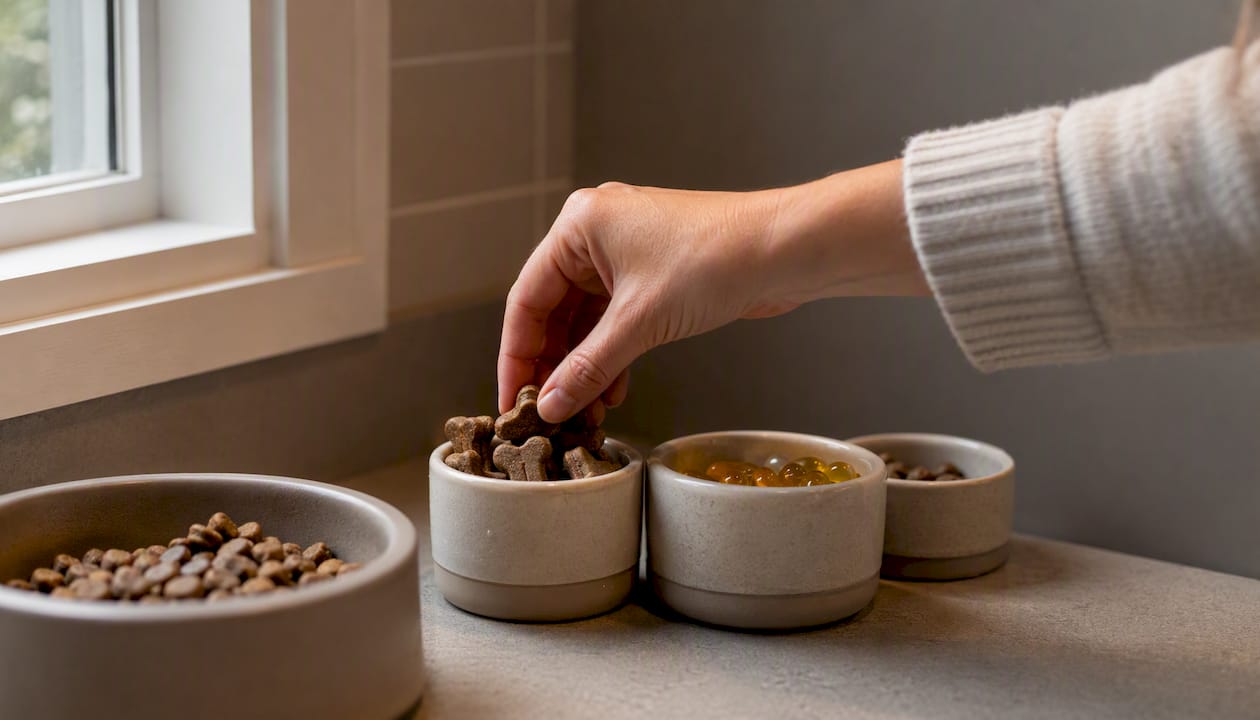
Pro Tip: The hidden fat sources owners miss most often are supplements and treats. A single fish oil softgel, a dental chew, or a "training treat" can add several grams of fat to a dog's daily intake. If your dog's main food is already at the low-fat threshold, those additions can push the total above the clinical target without anyone realizing it. Track everything, including supplements, as part of the daily fat budget.
How do vets diagnose pancreatitis, and what tests should you expect?
Most dogs with pancreatitis come in with a cluster of signs that overlap with several other conditions, which is why diagnostics matter.
Common clinical signs:
- Vomiting (often repeated, sometimes severe)
- Abdominal pain, frequently shown as a hunched posture or reluctance to move
- Anorexia or sudden disinterest in food
- Lethargy and weakness
- Diarrhea (less consistent than vomiting, but present in many cases)
- Low-grade fever
- Less specific signs: reluctance to eat, restlessness, or simply "not acting right"
The diagnostic workup typically starts with a physical exam and history, then moves to bloodwork and imaging. The SPEC-cPL (Spec canine pancreatic lipase) test is the most specific blood marker for pancreatic inflammation currently available in clinical practice. A complete blood count and chemistry panel assess white cell counts, liver enzymes, kidney values, glucose, and electrolytes. Abdominal ultrasound is the imaging tool of choice: it can visualize pancreatic swelling, fluid accumulation, and concurrent changes in the liver or intestines.
When hypertriglyceridemia or an endocrine disease is suspected, a fasting lipid panel, cortisol testing, or thyroid screening may be added. Those results directly influence diet selection.
| Diagnostic Test | What It Evaluates | How Results Influence Diet |
|---|---|---|
| SPEC-cPL / cPLI | Pancreatic-specific lipase; confirms active inflammation | Positive result supports low-fat diet initiation |
| CBC / Chemistry panel | Organ function, electrolytes, glucose, liver enzymes | Elevated glucose may indicate diabetes; guides protein and carb choices |
| Fasting lipid panel | Serum triglycerides and cholesterol | Hypertriglyceridemia triggers ultra-low-fat target (≤10% DM) |
| Abdominal ultrasound | Pancreatic size, echogenicity, fluid, concurrent organ changes | Severity guides hospitalization vs. outpatient management |
| Cortisol / thyroid panel | Rules out Cushing's disease or hypothyroidism | Endocrine disease changes long-term diet and medication plan |
What does acute management look like, and when does feeding start?
The severity of the episode determines whether a dog needs hospitalization or can be managed at home with close monitoring.
Signs that indicate hospitalization:
- Uncontrolled or severe vomiting
- Significant dehydration
- Systemic signs (high fever, collapse, cardiovascular instability)
- Severe abdominal pain unresponsive to initial analgesia
- Inability to keep any fluids down
Typical inpatient care includes:
- Intravenous fluid therapy to correct dehydration and maintain perfusion
- Antiemetics (maropitant is commonly used) to control nausea and vomiting
- Analgesia, often with opioids or buprenorphine for moderate to severe pain
- Nutritional support via feeding tube if the dog cannot or will not eat voluntarily
The old approach of withholding all food for 24–48 hours ("resting the pancreas") has largely been replaced. Early enteral nutrition is now generally favored over prolonged fasting because it supports gut barrier integrity and motility. The Merck Veterinary Manual similarly recommends early enteral feeding when clinically feasible. If a dog is vomiting too frequently to eat, a nasoesophageal or esophagostomy tube may be placed to deliver nutrition past the stomach. VCA Animal Hospitals describes supportive care including fluids, antiemetics, pain control, and nutritional support as the cornerstone of treatment, with mild cases often transitioning to a low-fat, easy-to-digest diet once refeeding begins.
At-home first 48–72 hours (when your vet clears outpatient care):
- Offer small amounts of water frequently; watch for continued vomiting.
- Give all prescribed medications on schedule (antiemetics, pain relief if prescribed).
- Start with tiny portions of the vet-recommended low-fat food, 4–6 times per day.
- Keep portions to roughly one-quarter of the normal daily ration on day one, increasing gradually only if no vomiting occurs.
- Monitor stool quality, appetite, and energy level at each feeding.
- Weigh your dog daily if possible; significant weight loss or refusal to eat warrants a call.
- Call your vet immediately if vomiting returns, your dog becomes lethargic, or shows abdominal pain.
What are the core dietary principles for dogs with pancreatitis?
Fat restriction is the headline rule, but the full picture is more layered. A 2024 JAVMA review notes that other nutrients, including digestibility, energy density, protein, and fiber, all influence how well a dog tolerates refeeding. Vets who manage pancreatitis routinely look at the whole nutritional profile, not just the fat line on the label.
Fat targets: what the numbers mean
The two units you will encounter are % dry matter (DM) and grams per 1,000 kcal metabolizable energy (ME). Dry-matter percentage removes moisture from the equation so you can compare foods fairly. Grams per 1,000 kcal tells you how much fat a dog actually consumes relative to the calories it eats.
Clinical targets in practice:
- Ultra-low-fat (≤10% DM or ~2–3 g per 100 kcal ME): Used for dogs with hypertriglyceridemia, Miniature Schnauzers with recurrent episodes, or severe/recurrent pancreatitis. The Purina Institute specifically identifies this threshold for hypertriglyceridemic dogs.
- Low-fat (≤15% DM or under 20 g per 1,000 kcal ME): Appropriate for many recovering dogs without significant hyperlipidemia. The Merck Veterinary Manual cites less than 20 g fat per 1,000 kcal as a practical clinical benchmark.
- Severe or recurrent cases without hypertriglyceridemia: Many clinicians target 8–10% DM as a conservative ceiling.
The worked conversion table below shows how to translate a label's guaranteed analysis into these clinical targets.
| Food Example | As-Fed Fat % | Moisture % | Dry-Matter Fat % | Fat g/1,000 kcal ME (approx.) | Meets ≤15% DM Target? |
|---|---|---|---|---|---|
| Canned food A | 4% | 75% | 15% | under 20 g | No |
| Canned food B | 2–3% | 75% | 10% | about 14 g | Yes |
| Dry kibble A | 8% | 10% | 8–10% | approximately 11 g | Yes |
| Dry kibble B | 15% | 10% | 15% | under 20 g | Borderline |
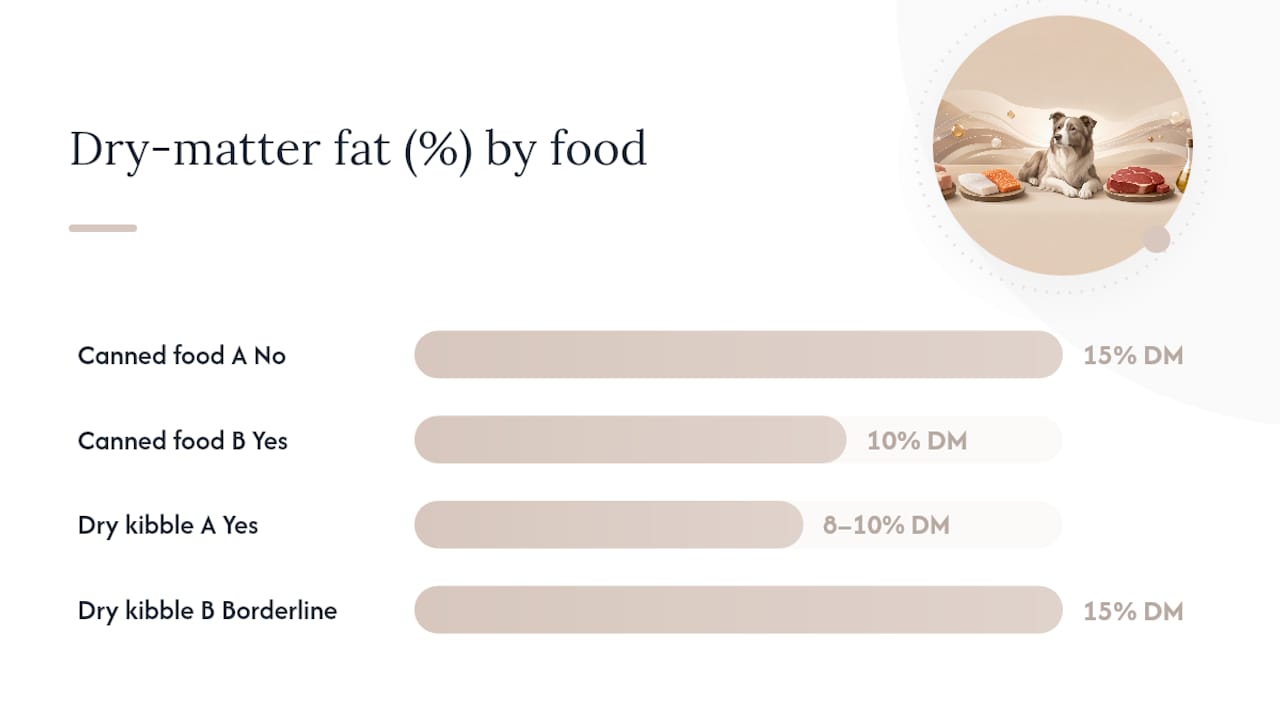
DM fat % = (as-fed fat ÷ (100 − moisture %)) × 100. These are illustrative worked examples; always calculate from the actual label values of the food you are evaluating.
Other nutrients that matter
- Digestibility: Highly digestible ingredients reduce the digestive workload and the volume of undigested material that can stimulate the pancreas. Look for named protein sources (chicken, turkey, egg) rather than by-product meals as the primary protein.
- Protein: Adequate protein supports tissue repair. Avoid excess if your vet has flagged kidney concerns, but do not restrict protein unnecessarily.
- Fiber: Moderate soluble fiber can be beneficial for stool quality. Avoid high-viscous fiber sources during active vomiting, as they can slow gastric emptying.
- Meal frequency: Three to four small meals per day reduces the bolus stimulus to the pancreas compared to one or two large meals.
Pro Tip: Build a daily fat budget for your dog. Add up the fat grams in the main food (from the label), every treat, every dental chew, and every supplement. High-fat supplements, including coconut oil and some fish oil products, can push total daily fat well above the clinical target even when the main food is compliant. The Harvard T.H. Chan School of Public Health notes that coconut oil is high in saturated fats with significant metabolic effects, making it a poor choice for fat-sensitive dogs. Fish oil dosing should only happen under vet direction.
How do you choose a diet and read pet food labels?
The FDA regulates commercial pet food labeling, which means the guaranteed analysis on every bag or can is a reliable starting point for your fat calculations. WSAVA global nutrition guidelines also provide practical frameworks for evaluating therapeutic diets and feeding practices that vets use when selecting commercial options.
Prescription therapeutic diets vs. over-the-counter options
Prescription low-fat GI diets are formulated specifically for dogs with gastrointestinal and pancreatic disease. They are tested for digestibility, have consistent nutrient profiles, and are designed to meet clinical fat targets reliably. For dogs with confirmed pancreatitis, especially moderate to severe cases, a prescription therapeutic diet is the preferred starting point. Your vet can recommend clinic-preferred options based on your dog's specific profile.
Over-the-counter low-fat options can work for mild cases or long-term maintenance once a dog is stable, but you must do the math yourself. Many foods marketed as "light" or "weight management" are lower in fat than standard maintenance diets but still exceed the clinical thresholds for pancreatitis management. Never assume a "light" label meets the target without calculating the dry-matter fat percentage.
How to convert guaranteed analysis to dry-matter fat
The formula is straightforward:
DM fat % = (as-fed fat % ÷ (100 − moisture %)) × 100
| Calculation Step | What to Do |
|---|---|
| Find as-fed fat % | Read the guaranteed analysis on the label |
| Find moisture % | Read the guaranteed analysis (or use 10% for dry, 75–75% for canned as estimates) |
| Apply formula | (Fat % ÷ (100 − Moisture %)) × 100 |
| Compare to target | ≤15% DM for most dogs; ≤10% DM for hypertriglyceridemic dogs |
Label red flags and acceptability checklist
Red flags (reconsider or reject):
- Fat-containing ingredients (lamb, duck, pork, salmon, added oils) in the first five ingredients
- Organ meats (liver, kidney, heart) listed prominently
- "Added fat," "animal fat," or named oils (sunflower, flaxseed, coconut) in the ingredient list
- No moisture percentage listed (makes DM conversion impossible)
Acceptability checklist for OTC foods:
- Named lean protein (chicken, turkey, whitefish, egg) as the primary ingredient
- DM fat % calculates to ≤15% (or ≤10% for hypertriglyceridemic dogs)
- Meets AAFCO nutritional adequacy statement for the dog's life stage
- No high-fat toppers, gravies, or flavor enhancers added
When in doubt, ask your vet or a board-certified veterinary nutritionist to review the label math. A food that looks low-fat on the front of the bag can still fail the calculation.
Are homemade or raw diets safe for dogs with pancreatitis?
Home-cooked diets can be appropriate for dogs with pancreatitis, but they require more discipline than most owners expect. The appeal is real: you control every ingredient, you can adjust fat content precisely, and you can make food more palatable during recovery. The risk is equally real: a home-cooked diet that is not properly balanced will be deficient in essential fatty acids, fat-soluble vitamins (A, D, E, K), calcium, or trace minerals within weeks.
Pros and cons of homemade feeding for pancreatitis:
- Pro: Complete control over fat content and ingredient quality
- Pro: Can be tailored to individual palatability preferences during recovery
- Pro: Avoids preservatives and additives some owners prefer to eliminate
- Con: Nutritional imbalance is common without professional formulation
- Con: Time-intensive to prepare correctly and consistently
- Con: Fat content can vary significantly between batches if recipes are not followed precisely
- Con: Raw feeding typically carries a higher fat load than cooked options, plus bacterial contamination risk (Salmonella, Listeria) that is a concern for immunocompromised dogs
Any home-cooked diet intended for more than a few days should be formulated or reviewed by a board-certified veterinary nutritionist. The American College of Veterinary Nutrition (ACVN) maintains a directory of diplomates who offer remote consultations. Resources like dog-specific recipe guidance can illustrate ingredient options and protein and fiber considerations, but they are not a substitute for a professionally balanced recipe tailored to a dog with pancreatitis.
A single high-fat meal, even in a home-cooked context, can trigger a relapse in a dog with chronic or recurrent pancreatitis. Raw diets are particularly risky: many raw formulations contain organ meats, fatty cuts, and added oils that push fat content well above safe thresholds. Fish oil, coconut oil, and other supplements should only be added under direct veterinary guidance, with fat grams counted against the daily budget. If you are feeding a home-cooked diet and your dog vomits after a new batch, assume the fat content changed until proven otherwise.
How do you transition from the hospital to home feeding?
The first few days after discharge are when most relapses happen. Moving too fast, offering too much food, or switching proteins without a plan can undo the progress made during hospitalization.
The standard approach is a gradual 5–7 day increase from tiny starter portions to the full low-fat daily ration. If GI signs return at any step, hold at the previous portion size for another 24 hours before trying to advance again.
Stepwise transition plan:
- Day 1 (discharge): Offer 25% of the calculated daily ration, divided into 4–6 small meals. Use only the vet-recommended low-fat food.
- Day 2–3: If no vomiting and stool is forming, increase to 50% of daily ration, still in 4–6 meals.
- Day 4–5: Increase to 75% of daily ration. Reduce meal frequency to 3–4 times per day if tolerated.
- Day 6–7: Reach full daily ration at 3–4 meals per day. Monitor stool consistency and appetite closely.
- Week 2 onward: Maintain the low-fat diet. Schedule a SPEC-cPL recheck as directed by your vet (typically 4–8 weeks post-discharge for stable cases).
The sample feeding schedule below gives starting kcal targets by body weight. These are estimates based on resting energy requirement (RER = 70 × body weight in kg^0.75); your vet will adjust for your dog's condition score and recovery status.
These are RER estimates for recovery; active maintenance needs are higher. Use these as a starting floor during the acute recovery phase, then adjust upward with vet guidance as the dog stabilizes.
Practical numbered checklist for the transition:
- Weigh your dog at home or at the clinic on day 1 of discharge.
- Calculate RER using the formula above, or ask your vet for a target kcal range.
- Divide the daily kcal target by the number of meals planned.
- Measure food by weight (a kitchen scale is more accurate than cup measures).
- Monitor stool quality at every meal: formed stool is a green light; loose stool or vomiting means hold the current portion.
- Track appetite and energy level in a simple daily log.
- Schedule a SPEC-cPL recheck 4–8 weeks post-discharge, or sooner if signs return.
What does long-term management look like, and how do comorbidities change the plan?
Not every dog with pancreatitis needs a lifelong restricted diet. The decision depends on episode severity, frequency, and whether underlying conditions are present.
When lifelong low-fat feeding is appropriate:
- Recurrent pancreatitis (two or more documented episodes)
- Confirmed significant hypertriglyceridemia, particularly in Miniature Schnauzers
- Concurrent endocrine disease that elevates lipid levels
- Dogs that relapse whenever fat is liberalized, even modestly
When a return to moderate diets may be reasonable:
- A single mild episode with full clinical resolution
- Normal fasting triglycerides on recheck
- No breed predisposition or concurrent disease
- Owner and vet agreement to monitor closely and reintroduce fat gradually
Comorbidities change the diet in specific ways. For dogs with concurrent diabetes, carbohydrate and protein balance become additional considerations: consistent meal timing, consistent carbohydrate load, and avoiding high-glycemic ingredients all matter alongside fat restriction. Underweight dogs recovering from severe pancreatitis need calorie-dense but still low-fat options, which can be a genuine formulation challenge and often warrants a veterinary nutritionist consult. Overweight dogs benefit from calorie restriction alongside fat restriction, but weight loss should be gradual during recovery.
Long-term monitoring checklist:
- Fasting lipid panel (triglycerides and cholesterol) every 3–6 months for dogs with hypertriglyceridemia or recurrent disease
- SPEC-cPL as clinically indicated, or at least annually for chronic cases
- Body condition score assessed at every vet visit
- Appetite, stool quality, and vomiting episodes tracked at home between visits
- Annual bloodwork (CBC, chemistry) to monitor organ function and screen for endocrine changes
General dog care guidance, including feeding notes and when to seek veterinary nutrition review, can be a useful reference for owners managing long-term dietary plans at home.
How do you monitor recovery at home, and when is it an emergency?
Daily monitoring during recovery is not optional. Pancreatitis can worsen quickly, and catching a relapse early makes a significant difference in outcome.
Daily monitoring checklist:
- Appetite: Is your dog eating willingly at each meal? Refusal for more than one meal warrants a call.
- Vomiting: Any vomiting after the first 24–48 hours post-discharge should be reported.
- Stool quality: Formed, normal-colored stool is the goal. Loose stool, diarrhea, or blood in stool needs veterinary attention.
- Activity level: Lethargy or reluctance to move is a warning sign.
- Abdominal sensitivity: Gently observe whether your dog flinches or vocalizes when you touch the belly area.
- Hydration: Check skin turgor (gently pinch the skin at the scruff; it should snap back immediately). Sunken eyes or dry gums indicate dehydration.
- Weight: Weigh weekly during recovery. Consistent weight loss despite eating suggests inadequate caloric intake or ongoing disease.
Call your vet immediately or go to an emergency clinic if your dog shows: repeated vomiting that does not stop, collapse or extreme weakness, severe abdominal pain (crying, inability to settle, rigid abdomen), pale or yellow-tinged gums, or a fever above 103°F (39.4°C) that persists. These signs indicate a serious flare that requires urgent intervention, not a wait-and-see approach.
For stable dogs recovering from a first episode, a SPEC-cPL recheck at 4–8 weeks post-discharge is a reasonable timeline. If symptoms return before that window, schedule an earlier visit rather than waiting for the planned recheck. Dogs with chronic pancreatitis or hypertriglyceridemia typically need more frequent rechecks, often every 3–6 months.
How City Animal Veterinary Center manages pancreatitis cases in practice
At City Animal Veterinary Center in Brooklyn, NY, a dog presenting with suspected pancreatitis goes through a structured triage process from the first visit. The initial workup typically includes a physical exam, SPEC-cPL testing, and a full chemistry panel. Abdominal ultrasound is available in-clinic and is used when the clinical picture warrants it, whether to confirm pancreatic changes, rule out obstruction, or assess concurrent organ involvement.
For dogs that can be managed as outpatients, the team provides detailed home-care instructions before discharge, including written feeding schedules, a list of approved foods and treats, and clear guidance on red-flag signs. For dogs that need closer follow-up but cannot easily return to the clinic, house call services allow the veterinary team to assess recovery in the home environment, which is particularly useful for anxious dogs or owners managing multiple pets.
Nutrition counseling is part of the standard pancreatitis workup at City Animal Veterinary Center. The team reviews label math with owners, helps select appropriate therapeutic or OTC low-fat diets, and builds a realistic treat budget that keeps the dog's daily fat intake within the clinical target. Prescription therapeutic diets are available through the clinic for dogs that need them.
Clinic practice notes:
- SPEC-cPL testing performed in-clinic for rapid results
- Abdominal ultrasound available for diagnostic imaging
- Inpatient stabilization for moderate to severe cases
- Nutrition counseling integrated into discharge planning
- House call follow-up available for recovery monitoring
- Prescription therapeutic diets accessible through the clinic
Pro Tip: The most common mistake the team at City Animal Veterinary Center sees is owners unknowingly giving high-fat supplements or treats while the dog is on a low-fat diet. A single pig ear or a tablespoon of peanut butter can contain more fat than a dog's entire daily allowance. During the first appointment, the team walks through every food item the dog receives, including supplements, to identify hidden fat sources and build a sustainable plan the owner can actually follow.
Balancing strict nutrition with a dog's quality of life
Managing pancreatitis through diet is genuinely hard for some owners, and it is worth saying plainly: a dog that refuses to eat a therapeutic diet is not getting the benefit of it. At City Animal Veterinary Center, the approach is to find the most medically appropriate diet the dog will actually eat consistently, rather than prescribing the theoretically perfect option that sits untouched in the bowl.
There are palatability strategies that work within medical limits. Warming food slightly, adding a small amount of low-fat broth (no onion, no garlic, low sodium), or rotating between two approved low-fat options can make a significant difference in compliance. Occasional treats are not automatically off the table; they just need to be counted in the fat budget and chosen carefully. The goal is a sustainable plan the owner can maintain for months or years, not a perfect plan that falls apart in week two.
City Animal Veterinary Center is ready to help your dog recover
When your dog is diagnosed with pancreatitis, the dietary decisions that follow are not one-size-fits-all. The fat target, the food choice, the transition timeline, and the monitoring schedule all depend on your dog's specific bloodwork, body condition, breed, and history. That is exactly the kind of individualized guidance City Animal Veterinary Center provides in Brooklyn, NY.
The clinic offers in-clinic SPEC-cPL testing and abdominal ultrasound for rapid diagnosis, inpatient stabilization for dogs that need it, and detailed nutrition counseling built into every pancreatitis discharge. For dogs that need follow-up monitoring but do better at home, house call services bring the veterinary team to you. Prescription therapeutic diets are available through the clinic, and the team will walk through label math and treat budgets with you before you leave.
If your dog is showing signs of pancreatitis or has already been diagnosed and you need help building a realistic, vet-backed feeding plan, book an appointment at City Animal Veterinary Center or call for an urgent evaluation if red-flag signs are present. The team is equipped to manage everything from initial diagnosis through long-term dietary support.
Sources
The clinical recommendations in this article draw from the following authoritative sources. Bringing printed copies or links to your vet appointment can help frame a more specific conversation about your dog's individual plan.
- Nutritional management of pancreatitis and concurrent disease in dogs and cats
- Acute Pancreatitis in Dogs | Purina Institute
- WSAVA global nutrition guidelines
These are the sources City Animal Veterinary Center consults when forming diet plans. Bring your dog's current food label and a list of all treats and supplements to the appointment so the team can do the label math with you.