Call an emergency vet now if you see blood in the vomit, a swollen or painful belly, collapse, pale or blue gums, or you suspect your dog swallowed a toxin or an object. For a suspected poison, call ASPCA Poison Control right away. Vomiting in an otherwise bright, alert dog may be less concerning, but contact a veterinarian for guidance. Seek veterinary care promptly if vomiting continues or there are signs of dehydration monitoring.
TL;DR:
- Puppies that are not fully vaccinated face added risk from parvovirus, which can cause severe, repeated vomiting and requires urgent veterinary attention.
- Tell the veterinarian when vomiting began, how often it occurs, what it looks like, and any changes in appetite, water intake, diet, or vaccination status.
- Veterinarians tailor testing to the exam, using blood tests, urinalysis, or fecal tests first, then imaging when they suspect an obstruction, bloat, or organ problem.
- Veterinarians may use maropitant for acute vomiting; its approved injectable dose is 1 mg/kg under the skin once daily for up to five days.
- Never induce vomiting unless a veterinarian or poison specialist directs you; keep suspected substance packaging, ingestion time, and your dog’s weight ready.
Table of Contents
- Common causes of vomiting in dogs
- Warning signs that need immediate veterinary attention
- How veterinarians diagnose a vomiting dog
- Common veterinary treatments and medications for vomiting
- Safe at-home monitoring and first aid before your vet visit
- What to bring and tell your vet about the vomiting
- A vet's perspective: low-stress care and timely triage
- How we can help with urgent vomiting and home visits
- FAQ
- Sources
Common causes of vomiting in dogs
Most vomiting starts with something simple. Dietary indiscretion (eating garbage, table scraps, or something spoiled), a sudden food change, overeating, motion sickness, and stress all trigger an upset stomach without signaling serious disease. Grass-eating gets blamed often, but it is not a reliable predictor of vomiting on its own.
Infections and parasites are another common category. Viral and bacterial infections, along with parasites like Giardia, irritate the gut lining and trigger vomiting along with diarrhea or poor appetite. Puppies carry extra risk here, since parvovirus can cause severe, repeated vomiting and needs urgent attention, especially in dogs who are not fully vaccinated.
Vomiting can also point to disease well outside the digestive tract. Practitioner guidance from the American Animal Hospital Association notes that vomiting is a symptom, not a diagnosis. Causes can include:
- Pancreatitis, which commonly shows up as repeated vomiting and abdominal discomfort
- Kidney or liver disease, where toxins build up in the bloodstream
- Endocrine disorders such as diabetes or Addison's disease
- Gastrointestinal obstruction from a swallowed object or mass
Because the same symptom can come from a mild stomach upset or a serious organ problem, the pattern, timing, and your dog's overall condition matter more than the vomiting itself.
Warning signs that need immediate veterinary attention
Some signs mean you should stop watching and start driving. Blood in vomit, whether bright red or resembling coffee grounds, points to active bleeding somewhere in the digestive tract and needs same-day evaluation, according to Merck Veterinary Manual guidance.
A distended, tight abdomen combined with restlessness, heavy drooling, and repeated unproductive retching can signal bloat (GDV), a life-threatening emergency requiring immediate veterinary care. Collapse, weakness, pale or bluish gums, and rapid breathing are signs of shock and call for immediate emergency care, not a wait-and-see approach.
Other red flags that point to the same urgency include:
- Persistent vomiting
- Visible dehydration, such as tacky gums or skin that stays tented
- Fever, seizures, or trouble breathing
- Vomiting that looks or smells like fecal material
A quick checklist for owners comes from Merck's "When to See a Veterinarian" table, which lists weak pulse, collapse, and bluish or white gums as immediate concerns. Seek veterinary care promptly for persistent vomiting. When any of these signs appear, treat the situation as urgent rather than waiting to see if it resolves on its own. For a closer look at how urgent and emergency cases differ, see our guide on red flags that need an emergency vet.
How veterinarians diagnose a vomiting dog
A vet visit for vomiting usually starts with questions: when it began, how often it happens, what the vomit looks like, and whether your dog is still eating and drinking. The physical exam checks hydration status, gum color, and abdominal comfort through gentle palpation.
From there, PetMD's overview of diagnostic workup describes a typical set of screening tools:
- A complete blood count (CBC) to check for infection or anemia
- A serum chemistry profile to assess kidney, liver, and pancreas function
- A urinalysis to evaluate hydration and kidney concentrating ability
- Fecal testing, including parvovirus testing in unvaccinated puppies
When a vet suspects an obstruction, bloat, or an organ abnormality, imaging such as X-rays or ultrasound helps confirm what the blood work cannot show, and endoscopy is sometimes used to retrieve a foreign object or examine the stomach lining directly. Not every vomiting dog needs every test. A vet tailors the workup to age, history, and exam findings, which is why giving a clear, specific history at the start of the visit speeds up the whole process.
Common veterinary treatments and medications for vomiting
Treatment depends on how dehydrated the dog is and what is driving the vomiting. Dogs who have lost significant fluid often receive intravenous or subcutaneous fluids to correct dehydration and restore electrolyte balance before anything else happens.

Antiemetics are a mainstay of care. Maropitant citrate (CERENIA) is approved for the prevention and treatment of acute vomiting in dogs, with an injectable dose of 1 mg/kg given subcutaneously once daily for up to five days, followed by oral tablets as the dog improves. A clinical review of acute pancreatitis management notes that vomiting is the most common sign of that disease and that antiemetics like maropitant play an important role in controlling it alongside fluid therapy.
Vets may also reach for:
- Metoclopramide or ondansetron as alternative antiemetics
- Sucralfate or famotidine to protect an irritated stomach lining
- Dewormers when parasites are confirmed or suspected
- Antibiotics only when a bacterial cause is identified
Treating the underlying cause matters as much as stopping the vomiting itself. A dog with a foreign-body obstruction may need surgery, while one with mild dietary indiscretion often improves with fluids, antiemetics, and a short period of dietary rest.
Safe at-home monitoring and first aid before your vet visit
While you arrange care, there are a few things you can safely do:
- Ask your veterinarian whether to withhold food, and offer small sips of water or ice chips if advised.
- If water stays down, reintroduce a bland diet in small, frequent portions.
- Check hydration by lifting the skin at the shoulder blades; skin that snaps back quickly is a good sign, while tenting suggests dehydration needing veterinary attention.
- Check gum moisture, since dry or tacky gums often mean fluid losses are adding up.
Never try to make your dog vomit unless a veterinarian or a poison control specialist tells you to do so directly. The ASPCA warns that inducing vomiting without guidance can cause harm, since incorrect methods or dosing can injure the esophagus, and induction is unsafe in certain poisoning cases. If you suspect your dog ate something toxic, call ASPCA Poison Control and have the product packaging, the time of ingestion, and your dog's weight on hand.
Pro Tip: Keep a small kit with your dog's current weight, a recent photo of any suspect packaging, and your vet's phone number so you are ready to act the moment something seems off.
What to bring and tell your vet about the vomiting
Bring a sealed vomit sample and, if you have one, a recent stool sample, along with any packaging from foods or substances your dog may have gotten into, a list of current medications, and your dog's estimated weight for accurate dosing.
Be ready to describe:
- Exact timing and frequency of the vomiting episodes
- Color and contents of the vomit
- Recent appetite, water intake, and any diet changes
- Vaccine status, especially for puppies
Good questions to ask include what the vet suspects is causing the vomiting, which tests they recommend, the plan for short-term stabilization, and what signs should prompt an immediate return visit.
A vet's perspective: low-stress care and timely triage
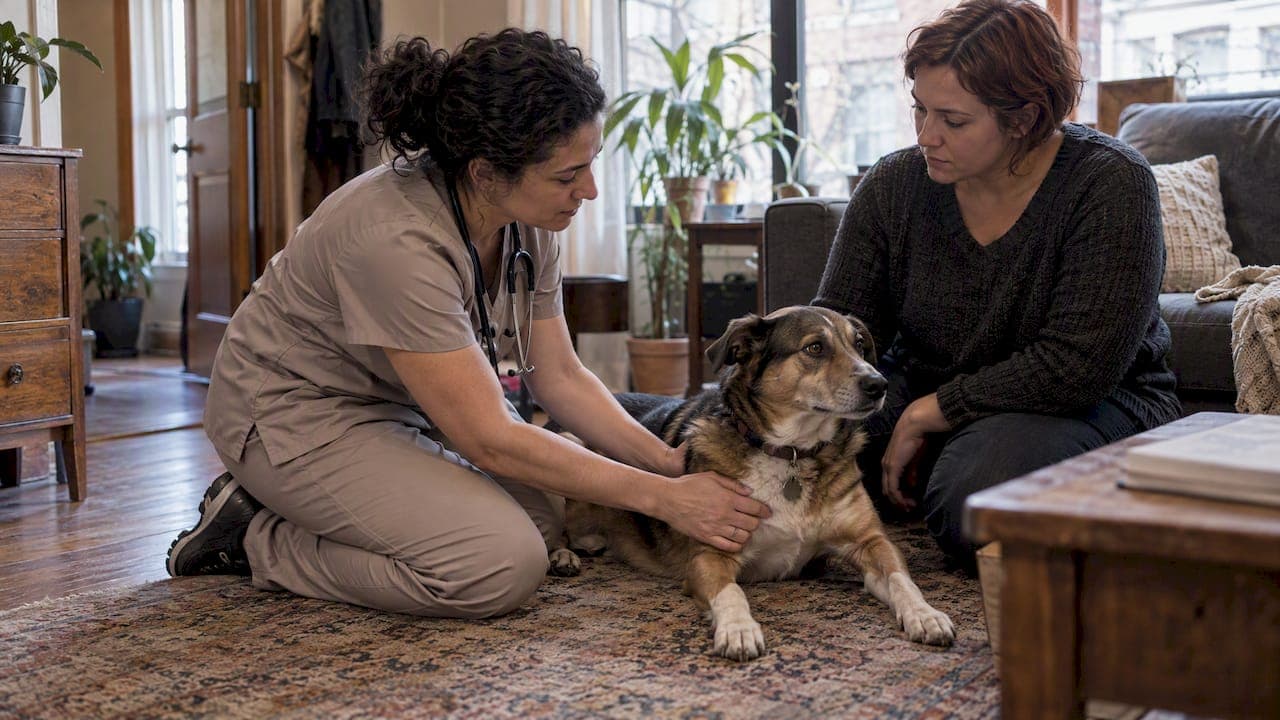
Our Fear Free approach and home-visit evaluations help us care for anxious or hard-to-transport dogs. Early triage changes outcomes. Catching dehydration or an obstruction before it worsens often means a faster, simpler recovery. When red flags appear, call ASPCA Poison Control for suspected poisoning, or reach out to us directly for triage guidance.
— CAVC
How we can help with urgent vomiting and home visits
We offer urgent care appointments for dogs showing red-flag vomiting symptoms, with diagnostic testing and treatment tailored to the case. For dogs who are too anxious, too weak, or too hard to transport, our home visit services bring the exam to your door instead.

If your dog is showing any of the warning signs above, book an urgent care visit or request a home visit and we will guide you through next steps.
FAQ
What is considered excessive vomiting for a dog?
Persistent or recurring vomiting warrants a vet visit. The amount of concern depends on the dog's overall condition and any other symptoms. Vomiting paired with lethargy, blood, or dehydration counts as excessive regardless of how many episodes have occurred, according to Merck Veterinary Manual.
Can heat cause dogs to vomit?
Heat-related illness can cause vomiting, often alongside heavy panting, weakness, and collapse in severe cases. A dog vomiting after heat exposure should be cooled gradually and seen by a vet promptly, since heatstroke can progress quickly.
What do vets give dogs to stop vomiting?
Vets commonly use maropitant citrate, approved for preventing and treating acute vomiting in dogs, given by injection or tablet depending on the case. Other options include metoclopramide, ondansetron, and stomach protectants like famotidine, chosen based on the suspected cause.
Is it safe to make my dog vomit at home?
Inducing vomiting at home is not safe unless a veterinarian or poison control specialist specifically instructs you to do so for a particular ingestion. The ASPCA cautions that incorrect methods can injure your dog and that induction is contraindicated in several poisoning situations.
Sources
- Merckvetmanual
- ASPCA Poison Control | (888) 426-4435 | ASPCA
- Maropitant citrate
- Dog Vomiting: Causes & When To See a Vet | PetMD
- Management of acute-onset pancreatitis in dogs: