Giardia in dogs is a treatable intestinal infection, but the fix requires two things happening together: veterinary-prescribed medication and thorough environmental cleaning. Skip either one, and your dog can bounce right back to square one within weeks.
If you suspect your dog has giardia, here's what to do right now:
- Keep your dog away from shared water bowls, dog parks, and other pets until you have a diagnosis.
- Collect a fresh stool sample if you can. Refrigerate it and call your veterinarian to schedule testing.
- Do not attempt to dose your dog with human medications or leftover prescriptions from another pet.
- Start basic hygiene steps now: wash your hands after cleanup and pick up feces immediately.
Treating the infection without cleaning your home and yard is one of the most common reasons owners feel like the medication "didn't work."
Key Takeaways
Giardia in dogs is treatable with veterinarian-prescribed medication, but recovery depends just as much on environmental cleanup as it does on the drug itself.
| Point | Details |
|---|---|
| Diagnosis often needs repeat testing | Cysts shed intermittently, so vets often request multiple stool samples over several days. |
| Ayradia is FDA-approved | Ayradia (metronidazole oral suspension) is the first FDA-approved treatment for Giardia duodenalis in dogs. |
| Cleaning prevents reinfection | Disinfect surfaces, wash bedding in hot water, and bathe your dog with chlorhexidine shampoo during treatment. |
| Zoonotic risk is low but not zero | Wash hands after cleanup and keep vulnerable household members from face-licking during treatment. |
| City Animal Veterinary Center supports the full process | Fear Free handling and home-visit options help anxious dogs and owners get through testing and treatment. |
Table of Contents
- What Is Giardia and How Do Dogs Get Infected?
- What Are the Signs of Giardia in Dogs?
- How Do Vets Test for Giardia in Dogs?
- What Treatment Works Best for Giardia in Dogs?
- How Do You Clean Your Home to Prevent Giardia Reinfection?
- Why Does Giardia Treatment Sometimes Seem to Fail?
- Can Giardia Spread from Dogs to People?
- What Happens During a Giardia Visit at City Animal Veterinary Center?
- What Happens If Giardia in Dogs Goes Untreated?
- What Else Could Cause Diarrhea in Dogs Besides Giardia?
- How Long Does Giardia Last in Dogs?
- Our Take on Managing Giardia in Dogs
- Get Veterinary Care for Suspected Giardia in Your Dog
- Sources
What Is Giardia and How Do Dogs Get Infected?
Giardia is a single-celled parasite that lives in two forms. Inside your dog's gut, it exists as a trophozoite, an active feeding stage that attaches to the intestinal wall and causes the digestive upset owners notice. When conditions in the gut shift, the parasite forms a hardy cyst that passes out in the feces.
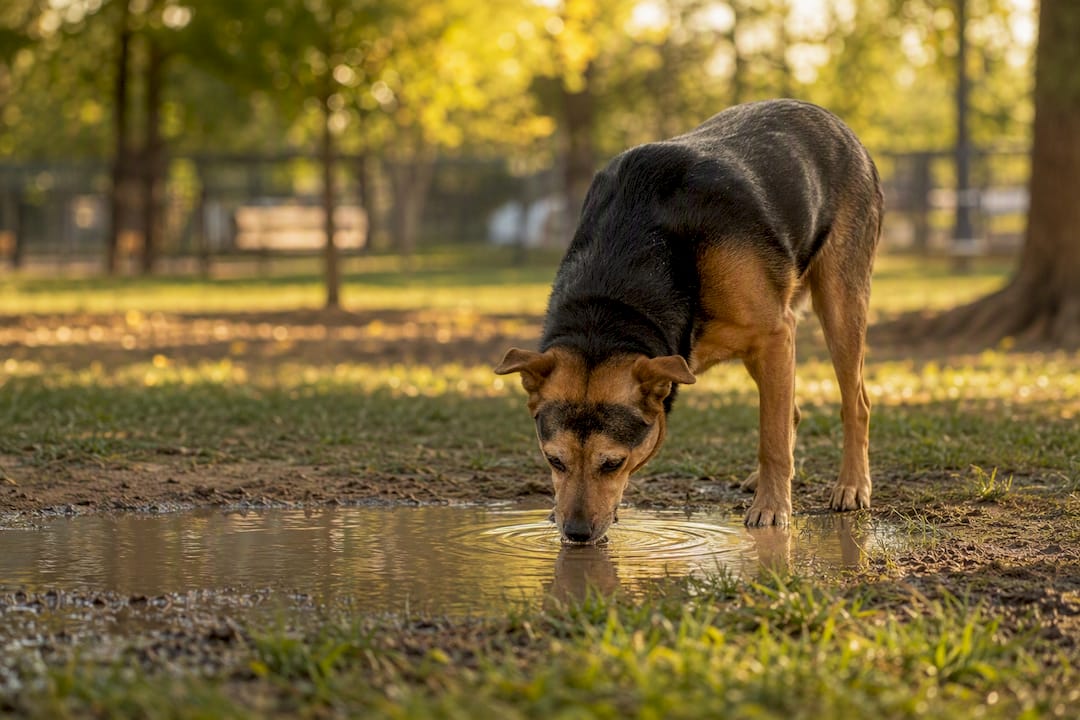
That cyst is the problem. Dogs pick up giardia by swallowing cysts from contaminated water, sniffing or grooming feces-soiled fur, licking contaminated surfaces, or spending time in crowded environments like boarding facilities, shelters, or dog parks. Cysts survive in damp soil, standing water, or shaded grass for months, which is why reinfection happens even after a dog finishes treatment. A single puddle in your backyard can reseed the whole cycle.
What Are the Signs of Giardia in Dogs?
The CDC notes that diarrhea and abdominal discomfort are the hallmark signs of giardiasis, and in dogs that usually shows up as a distinct stool pattern. Watch for:
- Pale, greasy, foul-smelling stool that may float or leave an oily residue
- Mucus mixed into the feces
- Diarrhea that comes and goes rather than sticking around constantly
- Weight loss or a dull coat in cases that drag on for weeks
Not every infected dog looks sick. Giardiasis more frequently produces obvious symptoms in young dogs, while many adult dogs carry and shed the parasite without ever seeming ill. Puppies, senior dogs, and dogs with weakened immune systems tend to get hit hardest.
Call your veterinarian the same day if you see dehydration (gums that feel tacky or sticky), bloody diarrhea, repeated vomiting, or any of these signs in a very young puppy. Puppies dehydrate fast, and what looks like routine tummy trouble can turn serious within a day.
How Do Vets Test for Giardia in Dogs?
Diagnosing giardia is trickier than it sounds because dogs shed cysts intermittently, not on a predictable schedule. A single stool sample can come back negative even when the parasite is present, so veterinarians often ask owners to collect samples over several days%20Fact%20Sheet-20191104_0.pdf) rather than relying on one test.
Three main testing methods come into play. Centrifugal fecal flotation uses a microscope to spot cysts directly and remains a standard first step. Fecal antigen testing (ELISA or IFA) detects giardia proteins even when no cysts are visible in that particular sample, which makes it more sensitive for catching intermittent shedders. PCR testing, where available, can identify the parasite's genetic material and even determine which assemblage, or genetic strain, is involved.
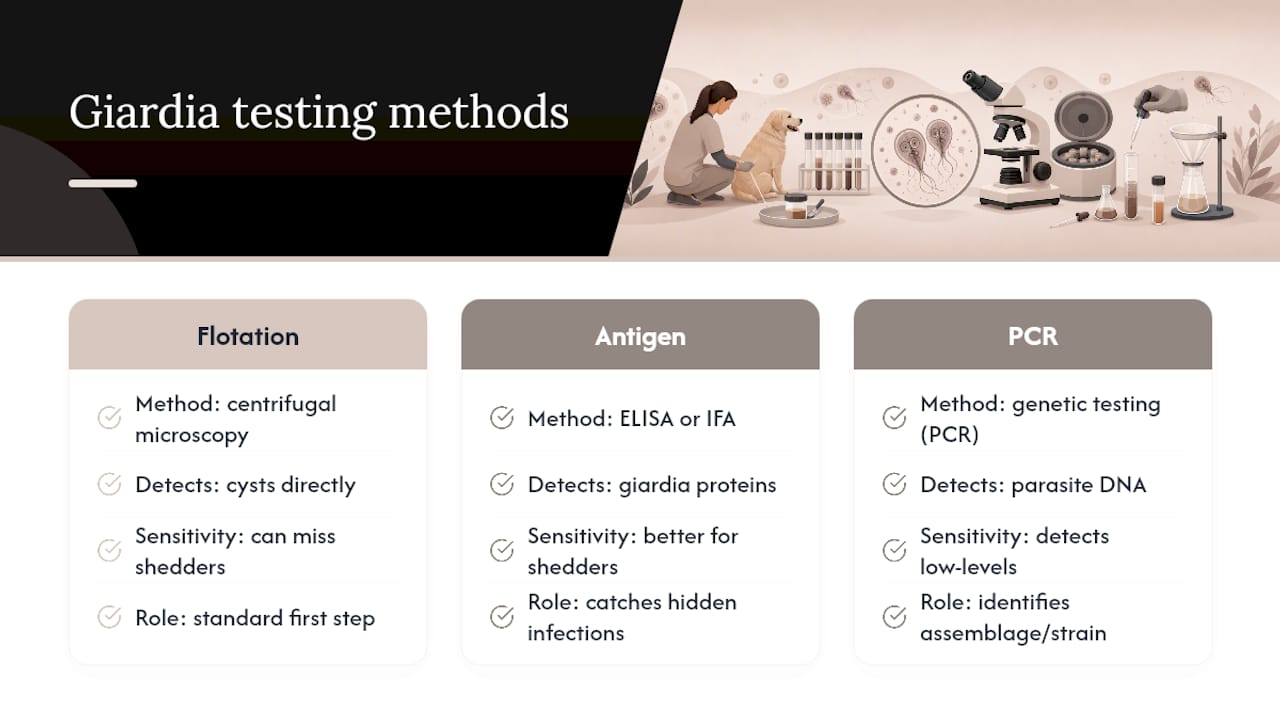
Here's the part that trips up a lot of owners: a dog can test positive on antigen or PCR testing for a while after clinical signs resolve, because the test may pick up leftover genetic material or protein rather than a live, active infection. Your veterinarian interprets test results alongside how your dog is actually doing, not in isolation. If stool has firmed up and energy is back to normal, a lingering positive test doesn't necessarily mean the treatment failed.
What Treatment Works Best for Giardia in Dogs?
Veterinarians have a few solid tools for treating giardiasis, and picking the right one usually comes down to the dog's age, symptom severity, and any other health conditions.
- Fenbendazole, given daily for several days, is a commonly used dewormer that also targets giardia.
- Metronidazole has long been used off-label and helps reduce both symptoms and cyst shedding.
- Ayradia, a metronidazole oral suspension, became the first FDA-approved treatment for Giardia duodenalis in any animal species. Because it's formulated and dosed specifically for animals, it gives veterinarians a standardized alternative to compounding human formulations by hand.
Pro Tip: Ask your veterinarian whether Ayradia is a good fit for your dog. Because it's approved specifically for veterinary use, dosing is more predictable than adapting a human prescription.
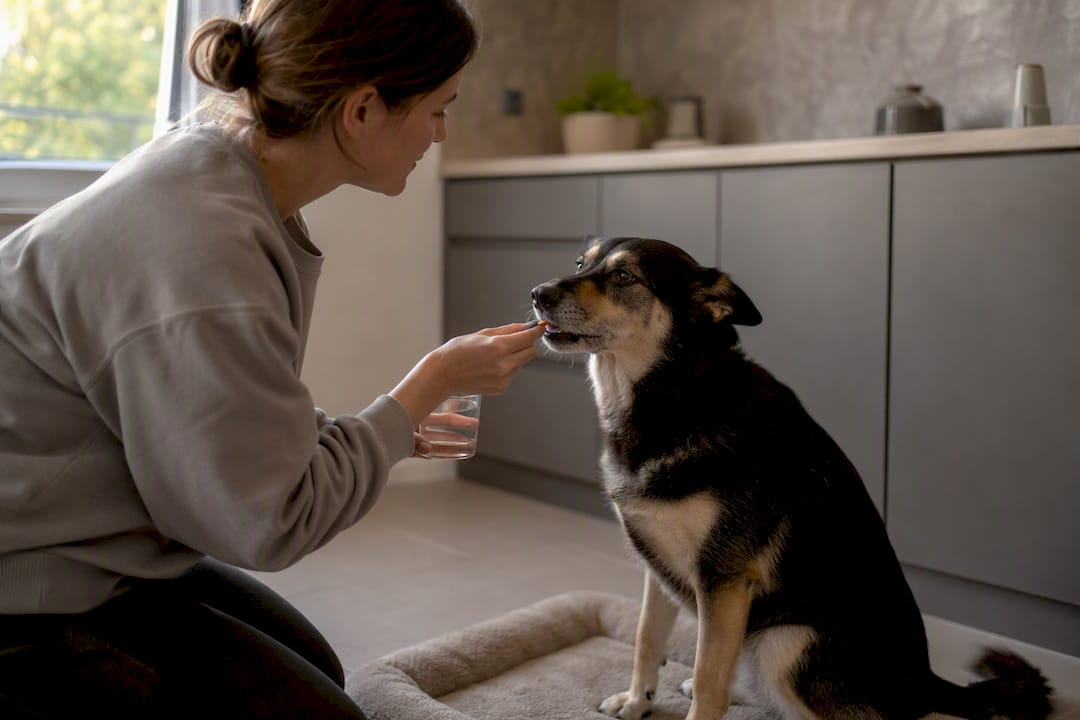
Some dogs clear the infection after one round of treatment. Others, especially those in multi-dog households or with ongoing environmental exposure, need a second round or a combination approach. Watch for mild side effects like drooling, nausea, or loss of appetite, and report anything severe to your veterinarian right away. Never substitute over-the-counter human medications. Ayradia is available only by prescription, and dosing errors with metronidazole can cause neurological problems in dogs.
How Do You Clean Your Home to Prevent Giardia Reinfection?
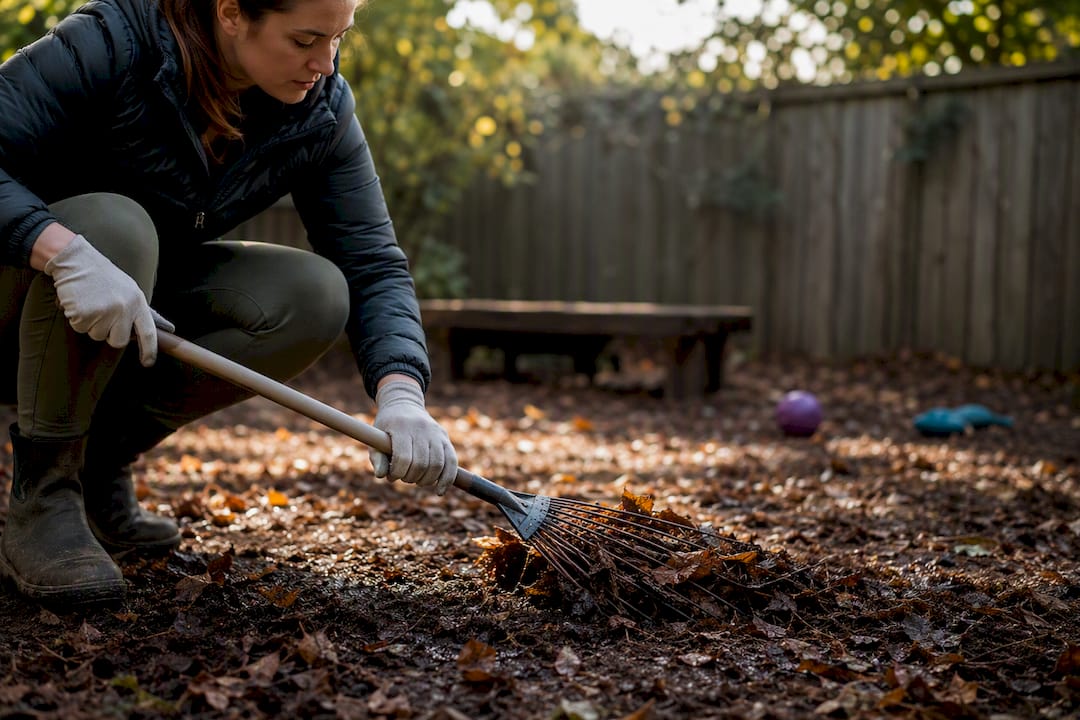
Medication kills the parasite inside your dog. It does nothing about the cysts sitting in your yard, on your floors, or in your dog's bedding, so understanding proper parasite hygiene is essential to prevent reinfection with giardia. Cornell's veterinary researchers point out that environmental control is just as essential as the drug itself, since cysts can survive for months in damp conditions.
- Pick up feces immediately, every time, throughout treatment and for weeks afterward.
- Disinfect hard surfaces, food bowls, and crates with a quaternary ammonium disinfectant, or use steam cleaning where chemicals aren't practical.
- Wash bedding, blankets, and towels in hot water and dry on high heat.
- Steam-clean carpets and upholstery your dog regularly contacts.
- Bathe your dog with a chlorhexidine shampoo at the start of treatment and again at the end to strip cysts off the coat and paws.
- Keep your dog away from lakes, puddles, and shared water bowls until your veterinarian confirms the infection has cleared.
Pro Tip: Treat the bath as part of the medical protocol, not an optional extra. A dog that gets medicated but never bathed can literally reinfect itself by licking its own fur.
Why Does Giardia Treatment Sometimes Seem to Fail?
Reinfection from the environment, not drug resistance, explains most cases where symptoms return after treatment. If cleaning gets skipped or a dog goes back to the same contaminated yard or dog park, the cycle restarts even though the medication worked exactly as intended.
Follow-up testing has its own wrinkles. Vets may recommend a repeat centrifugal flotation roughly 24 to 48 hours after finishing treatment to check for remaining cysts. Antigen and PCR tests, meanwhile, can stay positive for a stretch even after a genuine clinical cure, since they sometimes detect leftover material rather than an active infection. If your dog still has diarrhea despite correct dosing and a thoroughly cleaned home, your veterinarian will look for other causes rather than just repeating the same drug.
Can Giardia Spread from Dogs to People?
Zoonotic transmission is possible but uncommon in places with good sanitation infrastructure, largely because the genetic strains that typically infect dogs differ from the ones that infect people. Host specificity works in your favor here.
Still, basic hygiene matters, especially in households with young children or immunocompromised family members. Wash your hands after handling feces or cleaning supplies, keep pets from licking the faces of vulnerable people, disinfect contaminated surfaces, and avoid sketchy water sources for both pets and humans. If anyone in the household develops persistent diarrhea or stomach cramps, mention the dog's diagnosis to their physician.
What Happens During a Giardia Visit at City Animal Veterinary Center?
A typical visit starts with a full history, since exposure patterns (dog parks, boarding, other pets in the home) shape the testing strategy. From there, expect a fecal testing plan tailored to your dog, a treatment protocol matched to symptom severity, and clear guidance on cleaning your home.
- Fear Free handling techniques reduce stress during sample collection, exams, and bathing, which often means better cooperation from anxious dogs.
- Home visits are available for owners who struggle to transport a sick or elderly dog.
- Follow-up support helps you interpret retest results and adjust the plan if signs persist.
What Happens If Giardia in Dogs Goes Untreated?
Left alone, giardiasis doesn't always spiral into an emergency, but it rarely resolves cleanly on its own either. Many dogs settle into a pattern of intermittent, low-grade diarrhea that owners start to think of as "just how this dog is." That's a problem, because chronic low-level inflammation in the gut lining interferes with nutrient absorption over time.
Puppies are the group most likely to suffer real consequences from an untreated or repeatedly recurring infection. A young, growing dog losing nutrients to chronic diarrhea can fall behind on weight gain and muscle development at exactly the stage when both matter most. Dogs with other health issues, such as pancreatic disease covered in our guide to pancreatitis and diet, face a harder recovery when a second digestive problem is layered on top.
Chronicity also complicates the picture for multi-dog households and boarding or breeding facilities. A dog that shows no outward signs can keep shedding cysts for months, quietly reinfecting housemates and turning a single case into a recurring household problem. This is part of why some veterinarians choose to treat asymptomatic shedders in high-density environments even though treating dogs with no symptoms remains debated in lower-risk settings.
The good news: none of this is inevitable. Chronicity is largely a function of missed diagnosis or incomplete environmental cleanup, not an unavoidable feature of the parasite itself. A dog properly diagnosed, correctly treated, and kept away from contaminated environments during recovery has a good outlook.
What Else Could Cause Diarrhea in Dogs Besides Giardia?
Giardia is far from the only explanation for chronic or intermittent diarrhea, and treating for giardia when something else is going on wastes time your dog doesn't have. Veterinarians typically consider several look-alike conditions before settling on a final diagnosis.
Other intestinal parasites, including hookworms, whipworms, and coccidia, produce similar stool changes and sometimes show up alongside giardia in the same dog. Dietary indiscretion, meaning your dog ate something it shouldn't have, causes sudden diarrhea that can mimic an acute giardia flare. Food sensitivities and intolerances produce more chronic, low-grade symptoms that closely resemble a smoldering giardia infection; working through an elimination diet is often how vets tell the two apart. Inflammatory bowel disease, pancreatitis, and bacterial overgrowth all sit on the differential list too, particularly in dogs whose diarrhea doesn't respond to standard giardia treatment.
This is exactly why testing matters instead of guessing. A stool sample that comes back negative for giardia cysts or antigen redirects the workup toward these other causes rather than leaving you to cycle through medications hoping something sticks. If your dog's diarrhea persists despite a completed giardia treatment and full environmental cleanup, that's the signal to go back to your veterinarian for a broader diagnostic look rather than repeating the same protocol a third time.
How Long Does Giardia Last in Dogs?
With prompt diagnosis and correct treatment, most dogs show real improvement in stool quality within about a week of starting medication, though your veterinarian will tell you what timeline to expect for your dog specifically. A single course of fenbendazole or metronidazole typically runs several days to a couple of weeks, depending on which drug your vet prescribes.
The progression usually looks like this: exposure to cysts, an incubation period before symptoms appear, a symptomatic phase marked by soft or greasy stool, and then either resolution or a chronic, waxing-and-waning pattern if treatment or cleaning falls short. Puppies and dogs in shared environments tend to have a bumpier course simply because reexposure is more likely.
Duration stretches out considerably when environmental cleanup gets skipped. A dog can finish a full, correctly dosed course of medication and still be diarrheic a month later, not because the drug failed but because it picked up a fresh batch of cysts from the backyard days after finishing the prescription. This is the loop that frustrates owners the most, and it's also the most preventable part of the whole process. Dogs treated alongside a real cleaning effort, bathing included, tend to have a much shorter overall course than dogs treated with medication alone.
Chronic cases, where a dog cycles through symptoms for months, usually trace back to one of three things: incomplete environmental decontamination, an underlying condition that's separate from or in addition to giardia, or reinfection from another animal in the household that never got tested.
Our Take on Managing Giardia in Dogs
The conventional advice on giardia treats it as a pharmacy problem: pick the right drug, give the right dose, done. That framing undersells the half of the equation that actually determines whether treatment sticks. Cornell's own guidance backs this up plainly, environmental control isn't a nice add-on to medication, it's load-bearing.
We'd also push back gently on the instinct to treat every positive test result as an automatic prescription. CAPC's own guidelines acknowledge real debate here: a healthy, asymptomatic dog with a positive test isn't the same clinical situation as a puppy with active diarrhea and weight loss. Blanket protocols ignore that distinction, and owners deserve a veterinarian willing to make that call individually rather than by reflex.
What should you prioritize first? Get a proper diagnosis before assuming anything, then commit to the unglamorous cleaning work alongside whatever medication your vet prescribes. A stressed, wriggling dog during sample collection and bathing makes both of those harder, which is exactly why handling approach matters more here than owners tend to expect.
— CAVC
Get Veterinary Care for Suspected Giardia in Your Dog
Diagnosing giardia accurately, especially with intermittent shedding, isn't something to guess at from a home test kit or a forum post. City Animal Veterinary Center runs the fecal testing strategy, treatment plan, and environmental counseling your dog needs under one roof, using Fear Free handling so a nervous dog doesn't fight you through sample collection or bathing.
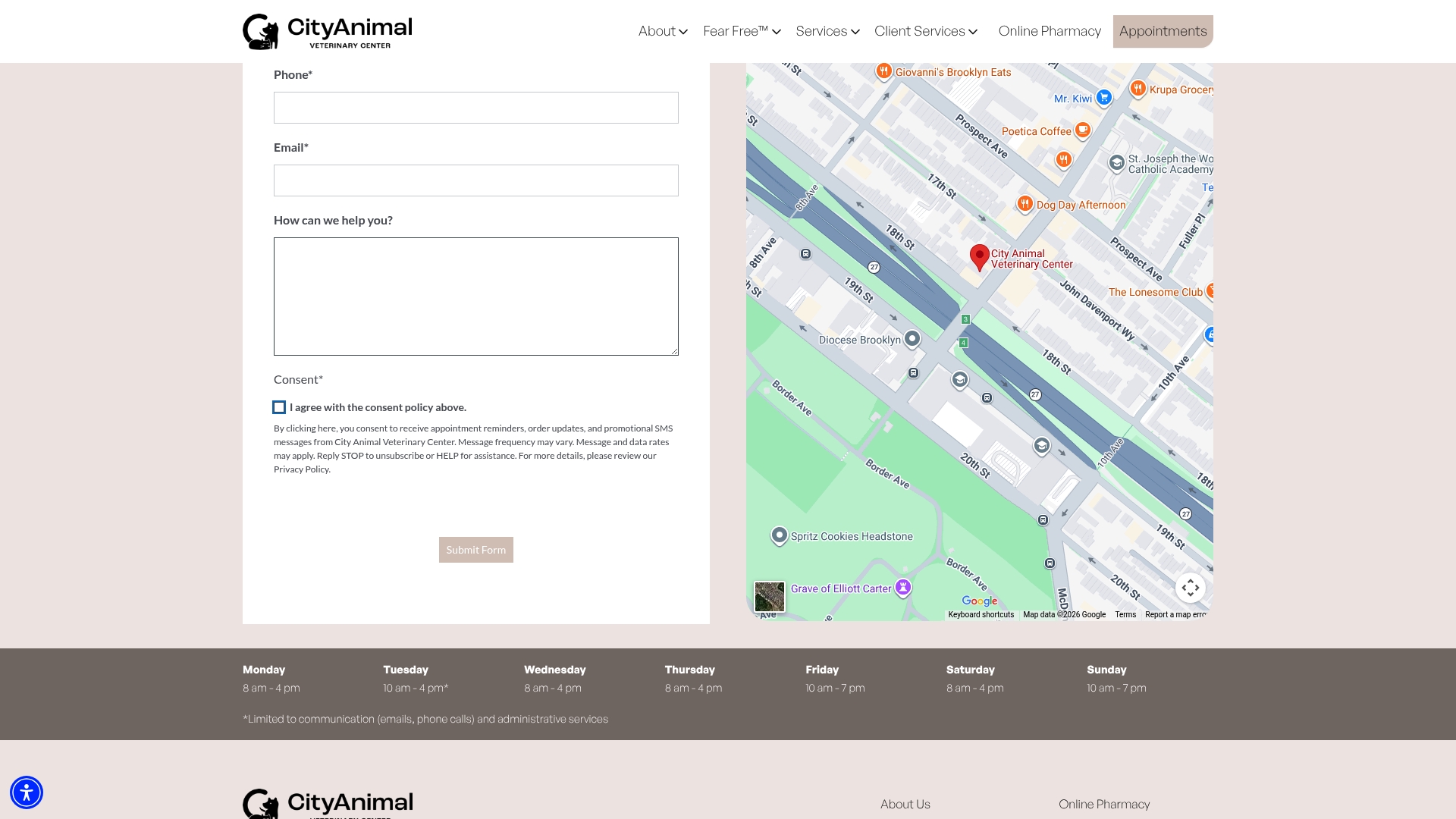
For dogs who get anxious at the vet, or owners who simply can't manage transport with a sick or elderly pet, City Animal Veterinary Center's home visit service brings the exam, testing, and treatment plan to your door. That option matters more than it sounds: a dog that's calm during a home visit gives a cleaner clinical picture than one panicking in a waiting room, and testing accuracy benefits from it.
If your dog is showing signs of giardia or you just found something suspicious in the yard, book an appointment with City Animal Veterinary Center to get a proper diagnosis and a treatment plan built around your dog's actual situation.
This article is general information, not a substitute for advice from a qualified doctor. Consult a qualified healthcare professional about your own circumstances before acting on anything here.
Sources
- About Giardia and Pets | CDC
- FDA approves first treatment for Giardia duodenalis in any animal species | FDA
- Giardia: Infection, treatment and prevention - Cornell University