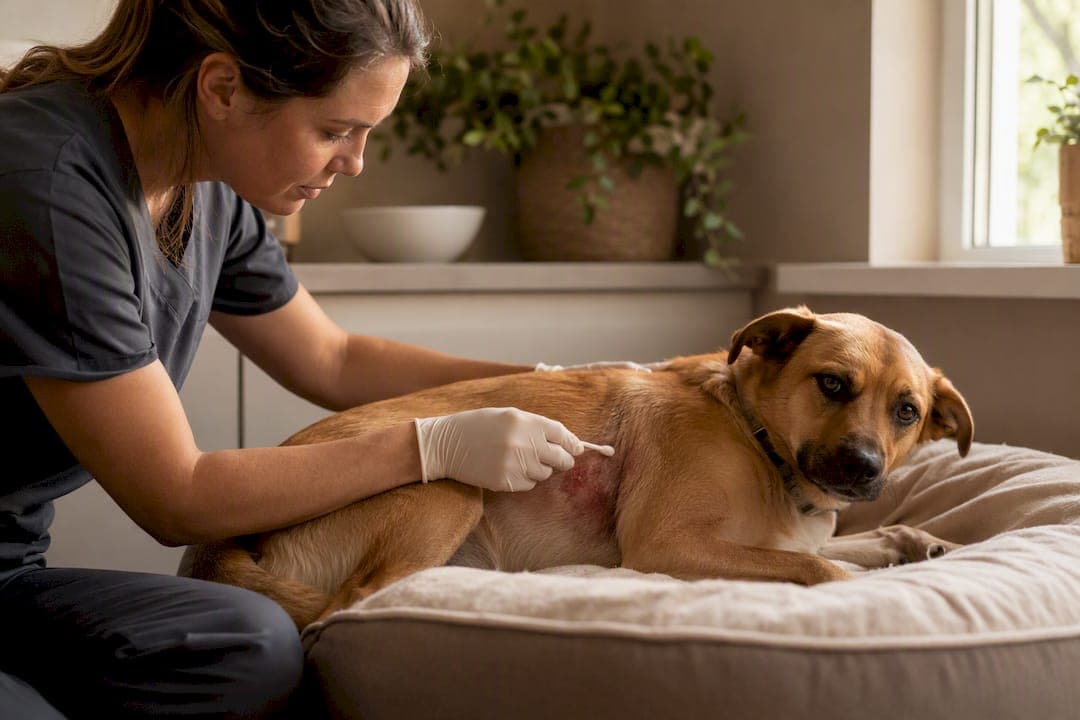
The most reliable dog skin allergy treatment is a veterinarian-guided multimodal plan, not any single product or pill. That means combining fast-acting antipruritic medication, targeted topical care, strict flea control, and a real diagnostic process (an elimination diet, skin cytology, or both) rather than reaching for one shampoo or one steroid shot and hoping the itching stops for good.
The core pillars your vet will likely build a plan around:
- Antipruritic medication to break the itch-scratch cycle fast
- Topical therapy and medicated bathing to repair the skin barrier and clear surface bacteria or yeast
- Flea control for every pet in the household, year-round
- An elimination diet if food allergy is suspected
- Immunotherapy for dogs with confirmed environmental allergies who need long-term control
Expect quick relief from medication within days, but the real diagnostic answers, an elimination diet trial or a course of immunotherapy, take 8 to 12 weeks or several months to pay off. It's managed, continuously, with a plan that gets adjusted as your dog's triggers and seasons change.
Key Takeaways
Managing a dog's skin allergy successfully requires combining fast antipruritic relief, infection control, flea prevention, and an accurate diagnosis rather than relying on one treatment alone.
| Point | Details |
|---|---|
| Multimodal beats single-fix | Combine antipruritic meds, topical care, flea control, and diagnostics rather than one product alone. |
| Diagnosis takes time | An elimination diet trial needs 8 to 12 weeks; commercial allergy blood tests are unreliable for food allergy. |
| Treat infections first | Clearing bacterial or yeast overgrowth often unlocks better results from allergy medication. |
| Immunotherapy is the long game | It's the only treatment that can modify the immune response, but benefits take months to appear. |
| City Animal Veterinary Center | Offers Fear Free exams and house-call visits to make ongoing allergy workups less stressful for anxious dogs. |
Table of Contents
- What Causes Dog Skin Allergies and What They Look Like
- How Vets Diagnose Skin Allergies, and Where Shortcuts Fail
- Comparing Systemic Medications for Itch Control
- Topical Care and Why Infections Have to Be Treated First
- Flea Control Steps That Actually Prevent Relapse
- Running an Elimination Diet the Right Way
- Allergen Immunotherapy: The Only Treatment That Modifies the Immune Response
- When to Call the Vet and What to Bring
- How City Animal Veterinary Center Delivers Allergy Care Without the Stress
- What Most Advice Gets Wrong About Treating Allergies
- Get Allergy Relief Without Adding to Your Dog's Stress
- Sources
What Causes Dog Skin Allergies and What They Look Like
Four conditions drive most cases of allergic skin disease in dogs, and they don't always show up alone.
- Atopic dermatitis (environmental allergens like pollen, dust mites, mold): often seasonal at first, later year-round
- Flea allergy dermatitis: intense itching concentrated at the tail base and lower back, triggered by flea saliva
- Food allergy: itching without a clear seasonal pattern, sometimes paired with GI upset
- Contact dermatitis: localized reaction where skin touched a specific irritant, like a new carpet cleaner or plastic bowl
The pattern of where your dog itches often points toward the cause. Paws, ears, face, armpits, and the groin are classic hot zones for atopic dermatitis. A dog obsessively chewing at the base of its tail is telling you something different than one shaking its head over red, waxy ears. Watch for secondary infection signs too: yellow or greasy discharge, a musty or yeasty odor, crusting, or skin that looks red and thickened where scratching has been constant.
Atopic dermatitis specifically shows up in an estimated 3 to 15% of dogs, which makes it one of the most common chronic skin conditions veterinarians treat, and one reason a proper workup matters more than a guess.
How Vets Diagnose Skin Allergies, and Where Shortcuts Fail
Diagnosis is a process of elimination, literally, and it starts with questions before it moves to tests.
- History and physical exam. Your vet will ask about seasonality, response to past medications, other pets in the house, diet changes, and where the itching started. A dog that flares every spring points one direction; one that itches constantly regardless of season points another.
- Skin or ear cytology. A quick microscope check identifies bacterial or yeast overgrowth riding on top of the allergy. This step matters because treating the underlying allergy without clearing the infection first often stalls progress.
- Elimination diet trial. If food allergy is suspected, a strict 8 to 12 week trial on a veterinary-prescribed novel-protein or hydrolyzed diet is the only diagnostic method that actually works.
- Intradermal or serum allergy testing. These identify specific environmental allergens, mainly to guide immunotherapy formulation, not to diagnose the allergy itself.
Pro Tip: Skip the mail-order blood or saliva "allergy test" kits marketed directly to pet owners. Commercial tests for food allergies carry low diagnostic accuracy and routinely mislead owners into cutting foods that were never the problem.
For a full breakdown of testing options, City Animal Veterinary Center's guide on dog allergy testing walks through what intradermal and blood panels can and can't tell you.
Comparing Systemic Medications for Itch Control
Four drug categories dominate systemic treatment, and each one trades speed for durability differently.
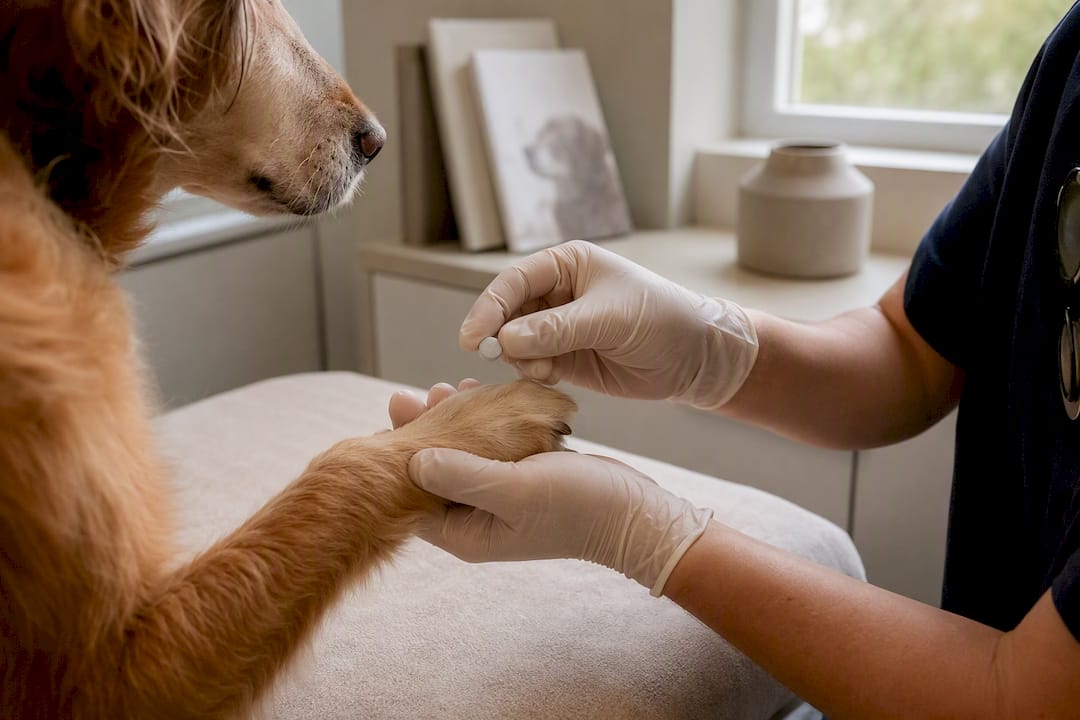
Oral glucocorticoids (like prednisone) work almost immediately and remain the fastest way to break a severe flare. Vets generally keep courses short because long-term steroid use carries real risks: increased thirst and urination, weight gain, liver strain, and suppressed immune function over time.
JAK inhibitors such as oclacitinib and newer options like ilunocitinib block itch signaling at the cellular level and often produce visible relief within a day. They're used for both acute flares and ongoing maintenance, though vets typically run periodic bloodwork to monitor for effects on blood cell counts.
Cyclosporine takes several weeks to reach full effect, which rules it out for emergency itch control, but it's a solid steroid-sparing option for dogs who need years of management rather than weeks.
Lokivetmab, an anti-IL-31 monoclonal antibody injection, neutralizes a key itch-signaling protein and typically gets dosed once a month. Onset is fast, often within a day or two, and the injection format appeals to owners managing a dog who won't reliably take pills.
- Steroids: fastest, cheapest to start, worst for long-term use
- JAK inhibitors: fast onset, dual-use for flares and maintenance, needs monitoring
- Cyclosporine: slow onset, strong for chronic management, steroid-sparing
- Lokivetmab: fast, infrequent dosing, injectable only
Pro Tip: Before starting cyclosporine or other immune-modulating drugs, most vets confirm vaccines are current and screen for underlying infections, since suppressing the immune system on top of an untreated infection can make things considerably worse. Modern targeted drugs have genuinely expanded what's possible here, but none of them replace that screening step.
Topical Care and Why Infections Have to Be Treated First
Medicated bathing does more than most owners expect. A chlorhexidine or antifungal shampoo used weekly to every other week strips away the bacteria and yeast that thrive on allergy-inflamed skin, and it physically removes allergens sitting on the coat.
- Medicated shampoos (chlorhexidine, miconazole) for surface infection control
- Topical steroid sprays or creams for small, localized lesions
- Topical antimicrobials for isolated hot spots or infected patches
- Omega-3 fatty acid supplements for long-term skin barrier support
Localized flare-ups, a single inflamed hot spot behind the ear, often respond well to a targeted topical without escalating to systemic medication; City Animal Veterinary Center's guide to hot spots covers that scenario directly.
Omega-3 supplementation is worth adding early, but set expectations correctly: fatty acids take up to two months to reach therapeutic levels in the skin, so they're not a flare-control tool. They're a long-game investment in barrier strength that can, over time, reduce how much medication your dog needs.
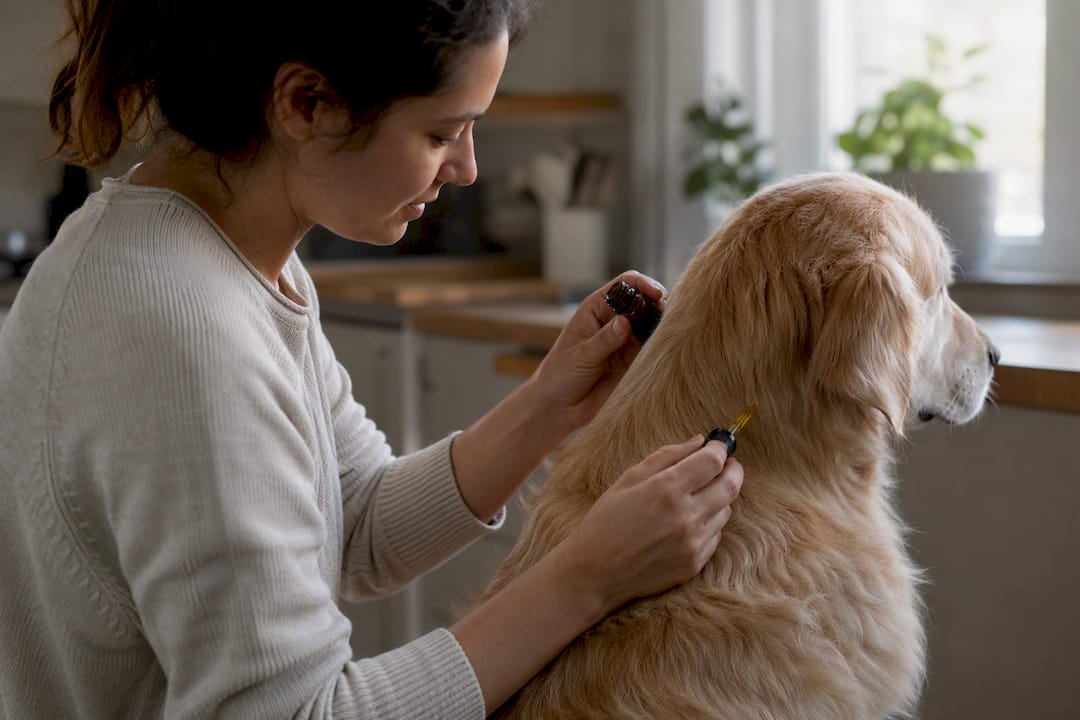
Pro Tip: If your dog's itching improves with medication but then plateaus, ask your vet to recheck for a lingering bacterial or yeast infection before assuming the allergy drug has stopped working. Clearing that infection is often what unlocks the next level of improvement.
Flea Control Steps That Actually Prevent Relapse
Flea allergy dermatitis is unusual among allergies because a single bite, not an infestation, can trigger days of misery in a sensitized dog. That's why half-measures don't work here.
- Treat every pet in the household, including cats, on a consistent monthly schedule.
- Wash bedding weekly in hot water and vacuum carpets and furniture regularly to break the flea life cycle.
- Treat the home environment with a vet-recommended product if fleas have already established themselves indoors.
- Time everything with your vet, since inconsistent dosing schedules are the most common reason flea-allergic dogs keep flaring.
For environmental allergens, small adjustments help too: walking during lower-pollen hours, wiping paws after outdoor time, and running air filtration indoors during high-pollen seasons.
Running an Elimination Diet the Right Way
An elimination diet trial remains the only reliable way to diagnose a food allergy causing skin symptoms, and it takes real discipline to run correctly over 8 to 12 weeks.
- Choose a novel-protein diet (a protein your dog has never eaten) or a hydrolyzed prescription diet, ideally with your vet's input on which fits your dog's history
- Growing puppies need special consideration since restrictive diets during development carry their own risks
- Eliminate every hidden protein source: flavored heartworm chews, dental treats, table scraps, even flavored toothpaste
Pro Tip: Keep a written symptom diary and take weekly photos of the worst affected areas. Tracking progress this way catches subtle improvement that's easy to miss day to day, and it gives your vet real data instead of a vague "I think it's a little better." City Animal Veterinary Center's elimination diet guide lays out a full week-by-week protocol.
Allergen Immunotherapy: The Only Treatment That Modifies the Immune Response
Immunotherapy is different from every other option on this list because it doesn't just suppress the itch, it retrains the immune system's reaction to specific allergens. That distinction matters for dogs who need years, not weeks, of control.
- Delivered as regular injections (subcutaneous immunotherapy) or daily drops under the tongue (sublingual immunotherapy)
- Built from results of intradermal or blood allergy testing that identify the specific triggers
- Takes months, often 6 to 12, before full benefit appears, with maintenance dosing continuing indefinitely
- Best suited for dogs with confirmed environmental allergies whose owners want to reduce reliance on daily medication long-term
Immunotherapy remains the only approach capable of inducing lasting remission rather than just controlling symptoms, but it demands patience most owners underestimate going in. Regular follow-ups and a willingness to stick with a slow-building protocol are part of the deal, not an inconvenience layered on top of it.
When to Call the Vet and What to Bring
- Call promptly if you see spreading infection, non-healing sores, severe ear pain, lethargy, or any sign your dog feels systemically unwell, not just itchy.
- Bring a timeline: when itching started, whether it's seasonal, recent diet or product changes, and photos of the worst flare-ups.
- Ask direct questions: What's the likely diagnosis? What tests come next? What's the realistic timeline for improvement? What side effects should I watch for?
Pro Tip: A two-minute phone video of your dog scratching or shaking its head is often more useful to your vet than a verbal description, since allergic behavior tends to calm down the moment dogs step into a clinic.
How City Animal Veterinary Center Delivers Allergy Care Without the Stress
Skin allergy workups involve repeat visits, handling sensitive skin, and sometimes injections, all of which can spike anxiety in a dog that's already miserable. City Animal Veterinary Center's Fear Free approach is built around that reality.
- Fear Free handling techniques reduce stress during exams, cytology sampling, and injections, which improves how well dogs tolerate ongoing treatment
- House-call visits support dogs who struggle with clinic visits, useful for diet-trial check-ins or follow-up rechecks without the car ride
- Clinic resources on dog vet anxiety and skin cytology give owners more detail on what to expect at each step
What Most Advice Gets Wrong About Treating Allergies
The conventional advice on dog skin allergies tends to oversell single solutions, a supplement here, a "hypoallergenic" food there, as though one purchase solves a chronic condition. It doesn't work that way, and pretending it does sets owners up to feel like they're failing when the itching returns.
What the evidence actually supports is less exciting but more honest: allergic skin disease gets managed, not cured, through a plan that changes as your dog's triggers and seasons change. The dogs who do best aren't the ones on the newest drug. They're the ones whose owners treat infections promptly, stick with a diet trial for the full stretch instead of quitting at week four, and keep a working relationship with a vet who adjusts the plan instead of repeating the same prescription indefinitely.
If there's one place owners should prioritize first, it's infection control. Skipping straight to allergy medication while an underlying yeast or bacterial infection festers is the single most common reason treatment plans appear to "stop working."
— CAVC
Get Allergy Relief Without Adding to Your Dog's Stress
City Animal Veterinary Center gives Brooklyn dog owners a Fear Free path through allergy diagnosis and treatment, so a dog who already hates the vet doesn't have to associate skin care with more anxiety on top of the itching. Our team runs skin cytology, structures elimination diet trials, and manages long-term medication plans in an environment designed to keep dogs calm rather than fighting the exam table.

For dogs who struggle with car rides or clinic visits entirely, our house-call service brings diet-trial check-ins and follow-up exams directly to your home, useful when consistency matters more than convenience. If your dog has been through round after round of shampoos and guesswork without a real answer, book an appointment through City Animal Veterinary Center and get a diagnostic plan built specifically around what's actually driving the itch.
Sources
- Management of canine atopic dermatitis. Part 1: treatment and management of flare-ups
- Think your pet has a food allergy? Eliminating mistakes in elimination diet trials