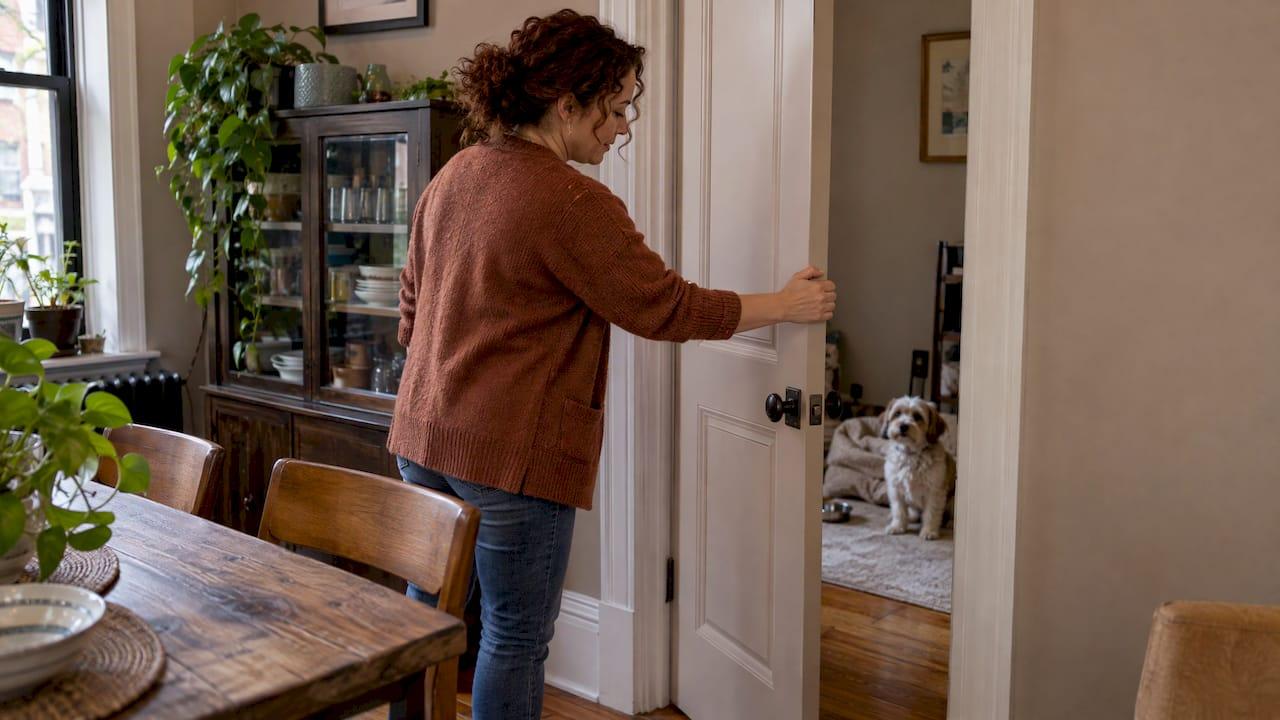
Preparing for a home vet visit comes down to four things: one quiet room set up in advance, your pet's records and medications in a pile, a few written notes about what you have noticed, and a calm plan for your pet. Do those and the visit runs smoothly, because the vet can spend the time on your pet instead of on logistics. At City Animal Veterinary Center in Brooklyn, home visits and house calls are part of our care, and this is the routine we would hand a friend before one.
TL;DR
- Pick one quiet, well-lit room with no loud appliances, and for cats choose a space with no furniture to hide under.
- Gather vaccination records, medication names, diet details and a written list of questions before the appointment.
- Write down what you have noticed: appetite, thirst, bathroom habits, energy, and any change in behavior.
- Practice gentle handling and carrier or crate time in the days before, and talk to your vet early about anxiety support.
- Home visits are built for routine and planned care. For a true emergency, go straight to an emergency hospital.
Table of Contents
- What a home visit changes, and what it doesn't
- One week before: book, plan and start practicing
- Two to three days before: gather your information
- The day of the visit: set up the space
- Preparing an anxious pet
- Preparing for specific kinds of visits
- When a home visit is not the right route
- Book a home visit in Brooklyn
- Your pre-visit checklist
- FAQ
- Sources
What a home visit changes, and what it doesn't
A home visit removes the car ride, the carrier struggle and the waiting room. For many pets, those are the hardest parts of going to the vet. It also lets the vet see your pet in the place where they live, which is useful for a pet who is stiff on stairs, hides under the bed or behaves differently in a strange place.
What does not change is that a good exam still needs good information and a workable space. According to a veterinarian writing for Great Pet Care, mobile visits often last a little longer than clinic appointments, which leaves room for your questions. That time is best used when you arrive with the questions already written down.
If you want the full walk-through of what happens once the vet arrives, our guide to the home vet visit process, step by step covers it. This page is about everything you do before the knock on the door.
One week before: book, plan and start practicing
Tell the team what you want help with
When you schedule, say why you are booking: a wellness exam, vaccinations, a limp, an itchy skin problem, a senior pet who is slowing down. Mention if your pet is anxious, reactive with strangers, or has bitten or scratched before. That lets the team plan the visit around your pet instead of discovering the problem at the door.
This is also the moment to raise anxiety support. A calm and confident approach is easier to arrange before the appointment than in the middle of it. Our practice is Fear Free certified, and the approach starts with understanding what stresses each pet.
Start gentle handling practice
Many pets tolerate an exam better when the touching is familiar. The American Animal Hospital Association (AAHA) advises owners to gently touch a dog's paws, ears, mouth and body for a few seconds at a time, rewarding each short session with a treat or a brief play. Stuffed treat toys help build a positive link with quiet time.
The order matters. The American Veterinary Society of Animal Behavior notes that paws, face, ears, tail and the rear end are the most sensitive areas because touch receptors are denser there. Its Touch Gradient technique starts with the least stressful areas and moves toward the sensitive ones gradually, and it warns against sporadic touching. In practice: begin with a shoulder or back, then the legs, and only then the paws and ears. Keep every session short and stop while your pet is still relaxed.
Get cats comfortable with the carrier
Even when the vet comes to you, a carrier is useful for the room-to-room moment and for any trip to the clinic later. AAHA suggests leaving the carrier out all the time, feeding inside it, and adding soft bedding with familiar scents, so the cat chooses to go in. Our guides on cat vet anxiety and pre-visit sedation for cats go deeper for cats who find any visit stressful.
Dogs: leash, muzzle and the doorbell
If your dog barks at visitors or is nervous about strangers, practice the doorbell and a leashed greeting. Reward calm behavior at the door. For dogs who need extra safety during handling, a comfortable muzzle introduced slowly is a kindness, not a punishment. We explain how in muzzle training for vet visits, and our piece on dog vet anxiety lists more steps for calmer visits.
Two to three days before: gather your information
The vet can only act on what they know. A home exam has no front-desk file to pull from if records are missing, so put the following in one folder or one spot on the counter.
| What to gather | Why it helps |
|---|---|
| Vaccination records and microchip number | Shows what is due and what is current |
| Previous diagnoses, lab results, discharge papers | Gives the vet history from other practices |
| Every medication and supplement, with the packaging or a photo of the label | Prevents duplicates and interactions; include flea, tick and heartworm preventives |
| Diet details: brand, type, amount, how often | Helps with weight, skin, stomach and nutrition questions |
| Notes on symptoms and behavior | Gives the vet timing and patterns you would forget in the moment |
| Written questions | Keeps a longer visit focused on what matters to you |
What to note about your pet
A short list beats a vague impression. Write down when you first noticed the change, how often it happens, and whether it comes with eating, sleeping, exercise or a specific time of day. Include appetite, water intake, bathroom habits, energy and mood. A phone video of a limp, a cough or an odd movement is often more useful than a description, because pets rarely repeat the behavior once a stranger is in the room.
Samples
If your appointment includes a stool or urine check, ask the team beforehand what they need and how to collect it. A common instruction is a fresh stool sample, collected the morning of the visit and sealed in a clean container or bag, labeled with the time. Our team can then run tests with the in-house laboratory rather than sending you to another facility.
Food and treats
Do not assume you should skip breakfast. Some visits involve blood work or sedation, where the vet may want food withheld for a short time, and others do not. Ask when you book. Keep a few small, high-value treats on hand either way, since rewards are part of how a low-stress exam works.
The day of the visit: set up the space
Choose the room
The vet needs a quiet, well-lit area where your pet feels calm. Great Pet Care's veterinary contributor recommends a space away from noise, with loud devices turned off, and for cats, a room without furniture to hide under, such as an enclosed hallway, office or bathroom. Brooklyn apartments rarely have spare rooms, so a bathroom or a cleared corner of the bedroom with the door closed works well.
Clear and tidy
- Turn off the TV, the vacuum schedule and any noisy appliances.
- Put other pets in a separate closed room so the exam is not interrupted. Give them a treat toy to occupy them.
- Clear a flat surface or a clear patch of floor where the vet can work, and make sure there is good light.
- Put a familiar blanket or bed in the room, since the scent is reassuring.
- Wipe down the exam area if you like. If you use a cleaner, choose pet-safe disinfectants and keep your pets away until surfaces are completely dry.
Plan around cats and escape artists
Close windows, secure screens and shut the door of the exam room before the vet arrives. A cat who bolts when a stranger walks in is a much harder visit than one who is already contained in a comfortable room. Keep the carrier open in the room, with a towel inside, so there is a safe place to retreat.
Keep your own energy steady
Pets read your mood. Speak quietly, keep your voice even and treat the visit as routine. An apologetic or anxious tone tells your pet something is wrong. Quiet, matter-of-fact behavior says the opposite. The Massachusetts SPCA's explanation of the Fear Free approach says the same: owners and staff stay calm and speak quietly, and rewards such as treats, toys or petting are used during exams when appropriate.
Preparing an anxious pet
Fear is the reason many people ask for a home visit in the first place. The good news is that fear is workable. These are the levers, in order of how much they help.
- Reduce what triggers it. A quiet room, no crowd, no car, and no rushing. Many pets are noticeably calmer once the trip is gone.
- Pre-train the handling. Short, rewarded touch sessions, as described above, make the exam feel familiar.
- Use the pet's favorites. Treats, a lick mat, a toy, a bed. Offer them throughout rather than only at the end.
- Ask about medication early. For pets with significant anxiety, a veterinarian may recommend a mild sedative given at home before the visit. Never give a calming drug or supplement on your own. Discuss it with the vet in advance so the dose is right for your pet's weight and health.
- Share what works. The MSPCA notes that the strategies that work best for each pet are recorded in the medical record and updated over time. Tell the vet which treats, handling and spots your pet likes so those go in the notes for next time.
For dogs and cats who panic in the car, our guide to car travel stress in dogs is useful for the days you do need to go to a clinic, for example for diagnostics.
Preparing for specific kinds of visits
Puppy and kitten visits. Bring the records from the breeder or shelter, any deworming history, the food they are eating and a list of questions about socializing and training. The AVSAB notes recommend recording a puppy's handling preferences, motivators and sensitive areas in the medical record, so tell your vet what you have learned. Our wellness exams cover puppy and kitten care.
Senior pets. Note how your pet gets up, climbs, and uses stairs. Write down changes in drinking, appetite and sleeping. Home is where mobility problems show up, so show the vet the spots where your pet struggles. If pain is a concern, ask about pain management and acupuncture.
Skin problems. Photograph the problem area over several days, and note any changes in food, shampoo or environment. Bring the shampoo or product names. Our dermatology team can use that history.
Vaccinations and preventive care. Have the previous records and your pet's preventive medications ready so the team can confirm what is current. See our vaccinations and preventative care pages.
Ultrasound or imaging. These can involve a different kind of prep, such as fasting or a clipped belly. Check with the team about what applies to your pet, and see our pet ultrasound prep guide.

When a home visit is not the right route
Home visits are for planned, routine and many sick-pet needs. Mobile services are usually not designed for urgent or life-threatening emergencies, and pets needing surgery or intensive monitoring may be referred to a clinic or specialty center. If your pet collapses, has a seizure, is bleeding heavily, is struggling to breathe or is straining to urinate without success, go to an emergency hospital right away instead of waiting for a house call.
If you are not sure how serious a problem is, our guide on five red flags that need an emergency vet helps you decide. For issues that need prompt attention but are not an emergency, we offer urgent care at the center.
Our view: preparation is a kindness to your pet
We have built City Animal around a simple idea: a vet visit should not feel like a threat. That is the heart of Fear Free care, and it is why we offer home visits for owners and pets who find the trip hard. Our approach is designed to lower stress for both the pet and the person holding the leash.
Preparation is where that starts. The quiet room, the written notes, the practiced handling and the early conversation about anxiety are small jobs that make a large difference on the day. They also give our team what it needs to look at the whole pet, from wellness and diagnostics to holistic options like acupuncture alongside traditional medicine.
If you take only one thing from this guide, let it be this: tell us what your pet is afraid of before we arrive. We will plan around it.
CAVC
Book a home visit in Brooklyn
If you are a busy professional, you have a pet who gets worked up at the clinic door, or you simply want care that comes to you, our team brings the exam to your home. Visits can include wellness care, vaccinations and more, and our center offers an in-house laboratory and a pharmacy to support your pet's care. Read about home visits and house calls or learn about the benefits of house call care.
To arrange a visit, start from our home visit page or contact the team through cityanimalvet.com.
Your pre-visit checklist
A week before
- Book and share your pet's anxiety triggers and goals for the visit.
- Begin short, rewarded handling sessions.
- Leave the cat carrier out, or practice with the dog's leash and muzzle if recommended.
Two to three days before
- Collect records, medication labels and diet details.
- Write down symptoms, timelines and questions. Record a video of anything intermittent.
- Ask about fasting and sample collection.
The morning of
- Collect a fresh stool sample if requested.
- Choose and clear the room, close windows and shut other pets away.
- Set out a familiar blanket and a few treats.
- Stay calm, quiet and matter-of-fact.
FAQ
Will a vet really come to my house?
Yes. Mobile and house call veterinary care is a growing option, and in Brooklyn our team offers home visits for exams and other care. Tell us what your pet needs when you book so we can plan the visit properly.
How long before the visit should I start preparing?
A week is ideal for handling practice and carrier or leash training, but even the day before helps. Gathering records, writing your notes and clearing a room takes only an hour or two.
Should I feed my pet before a home visit?
It depends on the visit. Some appointments involve blood work or sedation, where food may be held back for a short time, and others do not. Ask the team when you book, and keep a few small treats ready for rewards.
What if my pet hides or gets aggressive when strangers arrive?
Tell us ahead of time, so we can plan the approach. Put your pet in a quiet, closed room with a familiar bed, and let the vet come to them rather than pulling them out. Ask about calming options early, and never give a sedative or supplement without veterinary guidance.
Can a home visit handle an emergency?
No. Home visits suit planned and routine care, not life-threatening situations. If your pet collapses, has a seizure, bleeds heavily or struggles to breathe, go to an emergency hospital immediately.
Sources
- Mobile Vet Visit: What to Expect, Great Pet Care
- Preparing your pet for a successful veterinary visit, AAHA
- What is the Fear Free concept in Veterinary Medicine?, MSPCA-Angell
- Starting Off on the Right Paw: Behavioural Prevention, AVSAB